 Rahul Somvanshi
Canada is heading into one of its worst wildfire seasons ever. Officials now expect 2026 to rank as the fourth-worst fire year on record for the country. Fire danger remains high across several provinces, and the season is far from over.
New fires have broken out in Canada’s oil sands region, an area critical to the country’s energy industry. The blazes have raised concerns about both worker safety and economic disruption, as companies in the region have had to watch fire activity closely near major extraction sites.
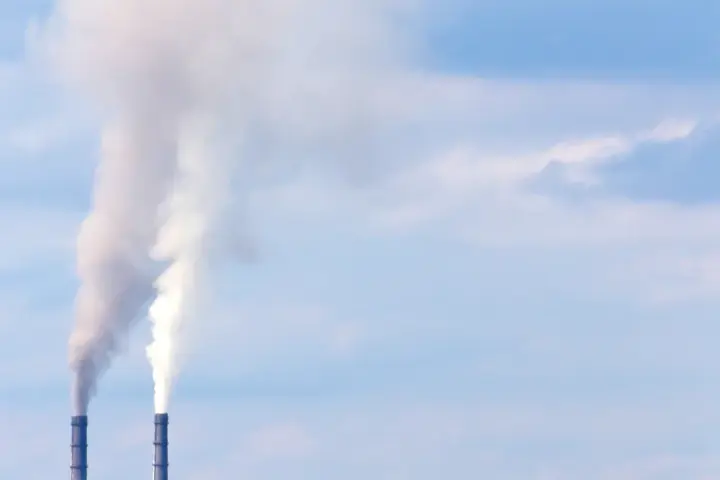
The problem isn’t staying inside Canada’s borders. Smoke from the fires has drifted south, causing poor air quality in parts of the United States. Forecasters say the US Northeast is facing hazy skies and unhealthy air through the weekend. Health officials are urging people with asthma, heart conditions, young children, and older adults to limit time outdoors when smoke levels rise.
Government officials describe the season as “manageable so far,” but they also acknowledge that projections are getting worse, not better, as summer continues. That mixed message has fueled criticism from environmental and public safety groups, who are now calling for Canada to set up a dedicated national agency to handle wildfires. Right now, most firefighting is coordinated at the provincial level, and critics argue this makes it harder to respond quickly when multiple provinces need help at the same time.
The federal government points to progress on climate adaptation programs meant to reduce wildfire risk over time. But advocacy groups say the pace and scale of that work still falls short of what’s needed given how often severe fire seasons are now occurring.
Amid the fire risk, Newfoundland and Labrador moved ahead with a major new Churchill Falls hydroelectric agreement, a deal officials are calling historic for the province’s energy future. The agreement was finalized even as fire conditions remained a background concern in the region.
Wildfire smoke doesn’t stay local. Millions of people far from the actual fires — including across the US border — can end up breathing unhealthy air. For Canada’s energy sector, fires near oil sands operations also carry real economic stakes, from halted production to added safety costs. And the debate over a national wildfire agency reflects a bigger question: whether Canada’s current province-by-province approach can keep up as fire seasons grow more severe.
Authorities maintain the situation is under control at this stage, while cautioning that conditions could still worsen. Health agencies on both sides of the border are advising residents in smoke-affected areas to check local air quality reports and limit outdoor activity when advisories are in effect.