Rahul Somvanshi
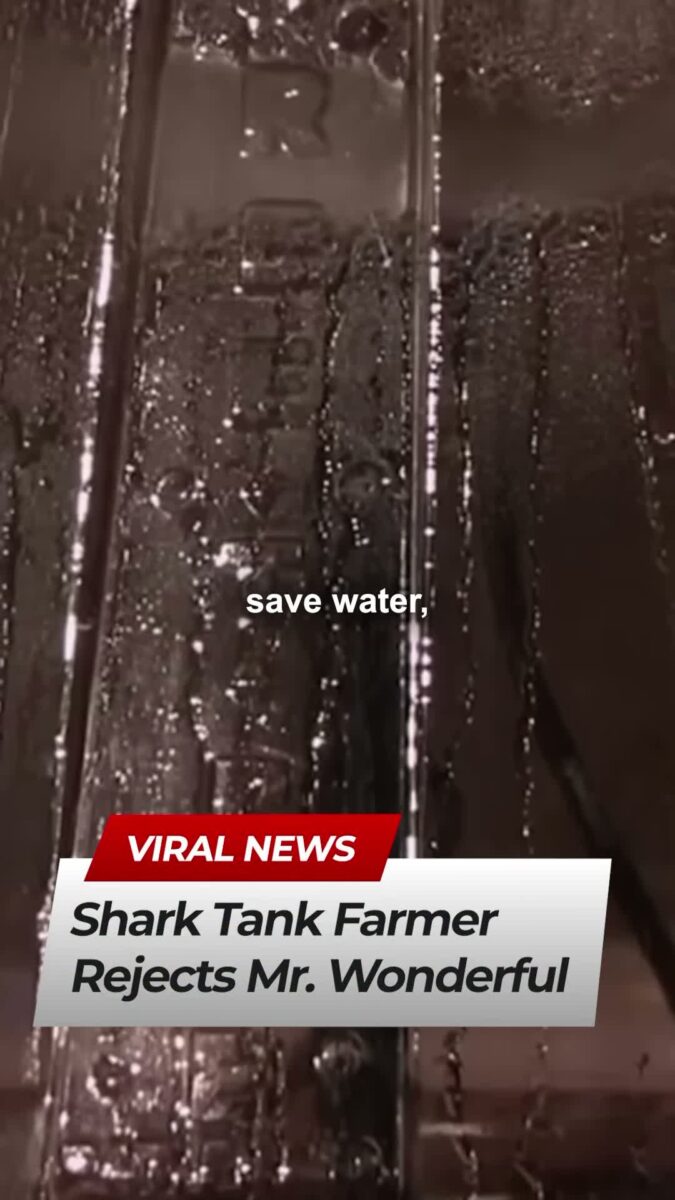
When Florida citrus-industry veteran Johnny Georges pitched the Tree T-Pee on Shark Tank, he made a simple claim: the cone-shaped guard could reduce the water needed for a young tree from about 25,000 gallons a year to 800 gallons by keeping irrigation close to the root zone.
That figure is Georges’ product claim, not an independently verified field result in the sources reviewed for this article. But the underlying principle is straightforward: limiting evaporation, runoff and the wetted area around a young tree can make irrigation more efficient.
A low-margin pitch
Georges told the programme he made each Tree T-Pee for roughly $2.95 and sold it for $4.50, keeping the price low for farmers. During the 2013 pitch, investor Kevin O’Leary questioned why he did not charge more. John Paul DeJoria offered $150,000 for 20%, praising farmers’ importance and accepting Georges’ goal of keeping the device affordable.
The product was developed from irrigation experience in Florida’s citrus sector. Its design covers a young tree’s root area, directing micro-sprinkler water into a smaller zone and also providing some cold-weather protection.
What the claim can—and cannot—show
Water use on farms depends on tree species, age, soil, climate, irrigation system, rainfall, disease pressure and management. A universal annual-gallon comparison should therefore be treated cautiously unless it is backed by site-specific trials that describe those conditions.
That does not mean simple water-saving tools lack value. Efficient irrigation, soil-moisture monitoring, mulching, pressure management and targeted delivery can all reduce waste. For growers, the meaningful question is not whether one headline number applies everywhere, but whether a tool cuts water use without reducing tree health or yields on their own farm.
The broader lesson
Georges’ pitch resonated because it framed innovation as service to farmers, not only as a higher-margin product. The Tree T-Pee story is a useful reminder that agricultural technology should be assessed in two ways: by transparent performance evidence and by whether farmers can realistically afford and use it.
Sources: the Tree T-Pee company history; the submitted Localize Reel, which quotes the Shark Tank pitch; and published Shark Tank coverage. The water-use comparison is attributed to Johnny Georges.