 Rahul Somvanshi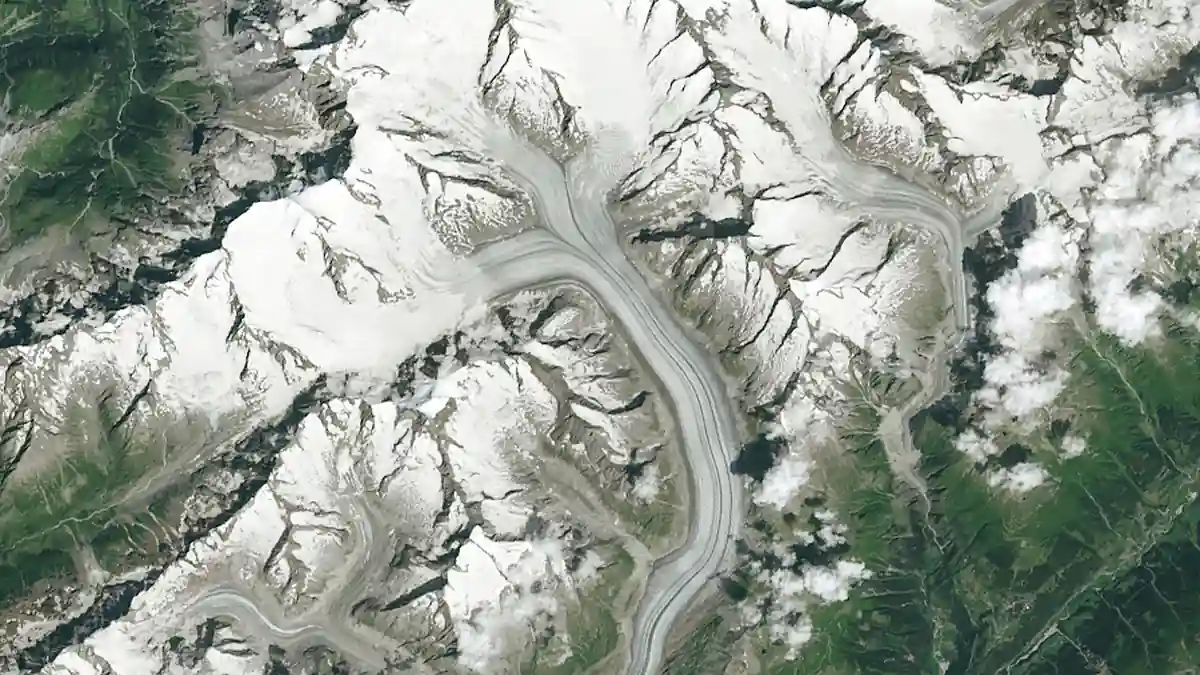
Switzerland’s Glaciers Lose 5.5 Percent of Ice in 2026, Threatening Water Supplies
Switzerland’s alpine glaciers are retreating at an alarming pace. New data from Glacier Monitoring Switzerland (GLAMOS) reveals that these frozen landscapes lost 5.5 percent of their ice volume during 2026, marking another disastrous year. “It is really just disastrous,” said Dr Matthias Huss, director of GLAMOS. Scientists fear this accelerating loss signals environmental disruptions that will reshape the continent’s water systems and economies for decades to come.
GLAMOS documented the loss across all major glacier systems through satellite imagery, laser scanning, and field surveys. This 5.5 percent reduction follows decades of troubling decline, with annual losses now outpacing earlier rates. Regions like eastern Switzerland experienced particularly acute melting, with the Bella Tola glacier in Valais disappearing entirely. Scientists attribute the rapid retreat to low winter snow and record summer heatwaves across the Alps.
Why Swiss glaciers are melting faster than expected
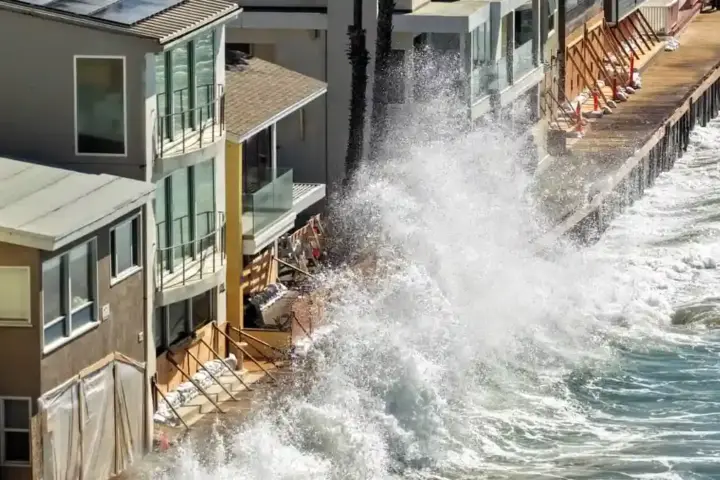
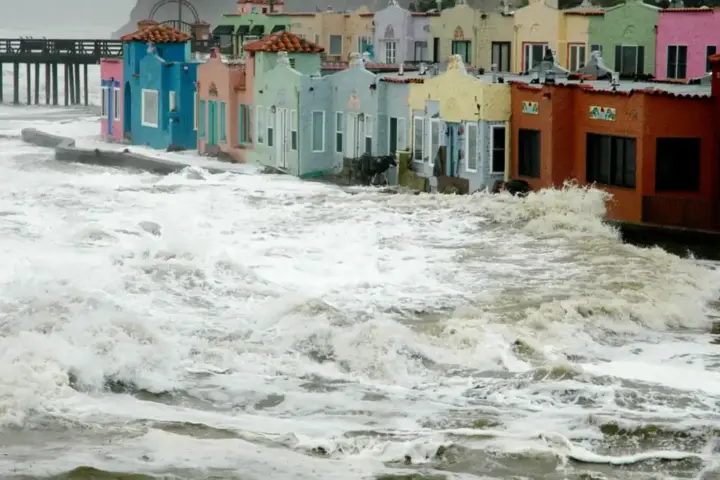
This accelerated melting carries profound implications for water availability across Europe. Swiss hydroelectric plants depend on glacier-fed water systems to maintain power generation during dry seasons, yet decreasing ice reserves threaten long-term energy independence. The River Rhine reached record lows this summer, affecting shipping navigation routes and increasing transport costs — a pattern also seen in NYC coastal flooding and Bangkok flood disaster coverage this year.
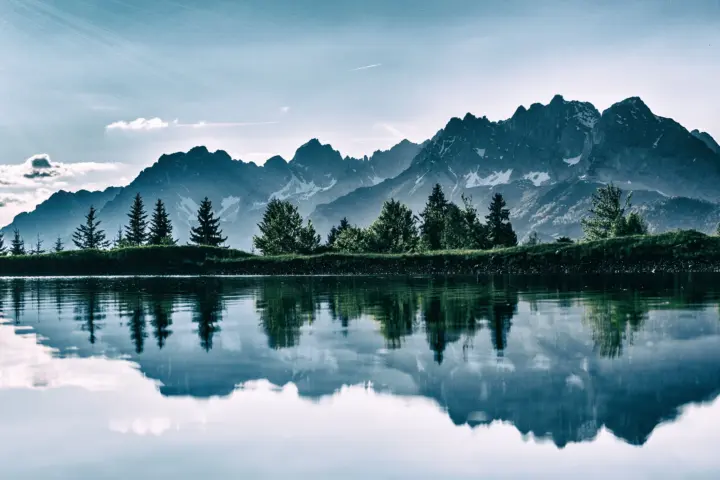
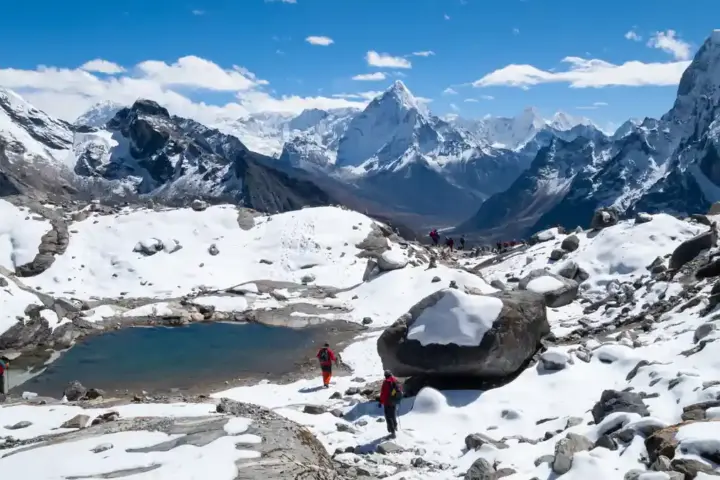
The physical transformation extends beyond mere numbers into fundamental changes in landscape and society. Glaciers sculpted the Alps over millions of years, carving valleys that define Switzerland’s geography. As these formations disappear, they expose bedrock untouched by human eyes for millennia, revealing geological histories while erasing ecosystems dependent on permanent ice. The cascade effect mirrors what happened in Nepal’s glacier collapse, where thinning ice raised landslide risks that killed 1,367 people.
What distinguishes 2026’s losses is their synchronicity with extreme heat events across the Alpine region. Summer temperatures shattered regional records, creating conditions that accelerated melting from May through September. The connection between atmospheric warming and ice loss has become visually undeniable to anyone traveling through the Alps or reviewing satellite imagery.
How did Swiss glaciers lose so much ice in 2026? Low winter snow and record summer heatwaves created optimal conditions for rapid ice loss. Bare ice is darker than fresh snow, absorbing more solar energy and accelerating melting. Scientists found no snow remaining at elevations as high as 3,500 metres, where several metres of winter snow should have survived.
What will happen to remaining Swiss glaciers? Smaller glacier systems like Scex Rouge could lose all remaining ice within 10 to 15 years. Multiple small glaciers have already disappeared. At some measurement sites, scientists observed four metres of ice loss at the highest point.
How is Switzerland responding? Dr Huss urged sharp cuts to carbon emissions to save remaining glacier ice, particularly in the Himalayas and polar regions where most of the planet’s ice resides. “If these ice masses can be saved or stabilised, we can limit the rise of global sea levels,” he said. The IPCC AR6 Working Group I report provides the physical science foundation for these projections.
Switzerland stands at an intersection of natural loss and adaptation. The 5.5 percent retreat measured in 2026 reflects broader planetary changes unfolding across frozen regions worldwide. GLAMOS estimates Swiss glaciers released 2.2 trillion litres of meltwater between July and September — old water stocked in glacier ice centuries ago, now gone.