 Karmactive Staff
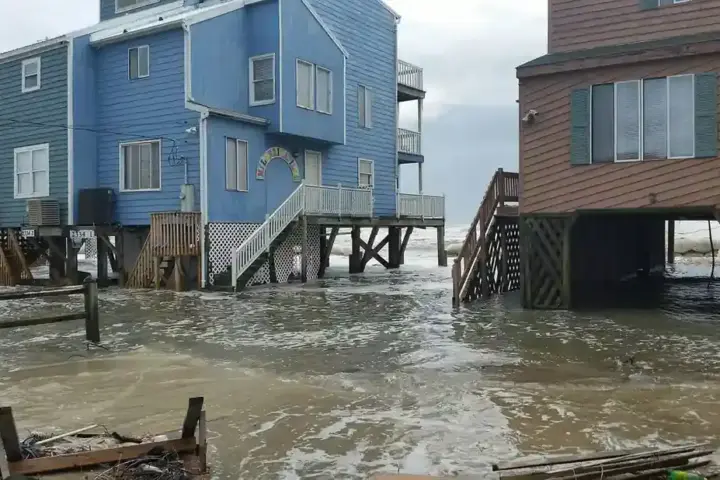
The nor’easter that forecasters tracked toward New York all week has moved into the region, and coastal flooding is actively occurring. Power outages reached nearly 150,000 across the region by Friday evening, and coastal inundation is affecting low-lying neighborhoods, with National Weather Service warnings remaining active through Sunday.
The National Weather Service issued coastal flood warnings covering New York City, Long Island, and parts of New Jersey through Sunday. Expected inundation in vulnerable areas runs 1 to 2 feet above ground level, with locally up to 2½ feet in Jamaica Bay and Rockaways locations. Wind gusts reached 55 mph and higher in exposed coastal areas, and rainfall totals of 2 to 4 inches are forecast. Active flooding was reported in New Jersey coastal communities as of Friday.
Residents in low-lying coastal zones should move vehicles to higher ground and secure basement property before the next high-tide cycle. Commuters should check for service alerts on coastal rail lines and expect possible closures on coastal parkways. Avoid driving through flooded roads — even shallow floodwater can damage vehicles and make roads impassable. Check your NWS warning zone and local evacuation advisories before heading out.
Where Flooding Is Worst and When
Related Karmactive coverage: Karmactive nor’easter forecast coverage and earlier Northeast storm setup.
Southern Queens, Staten Island, coastal Brooklyn, and the South Shore of Long Island face the greatest flood exposure. The NWS warning zone also covers Manhattan and parts of New Jersey. Inundation is expected to peak during morning high-tide cycles — extending the flooding window beyond the storm’s rainfall peak.
The NWS is warning of successive high-tide cycles extending coastal inundation beyond the initial rainfall peak. Warnings remain active through Sunday. The storm is coinciding with a full moon, which raises tidal levels and adds to flood risk in low-lying areas.
A prior Karmactive story on September 22 covered the incoming nor’easter’s forecast setup. This update covers conditions now that the storm has moved into the region and active flooding is occurring. For coastal storm preparedness steps and flood water safety guidance, see the linked resources.
NWS coastal flood warnings cover the New York and New Jersey coast through Sunday. The next morning high-tide cycle is the primary period of elevated flood risk. Check back for updates as conditions change through the weekend.
Primary source links: forecast.weather.gov, nyc.gov.