 Sonali Tiwary
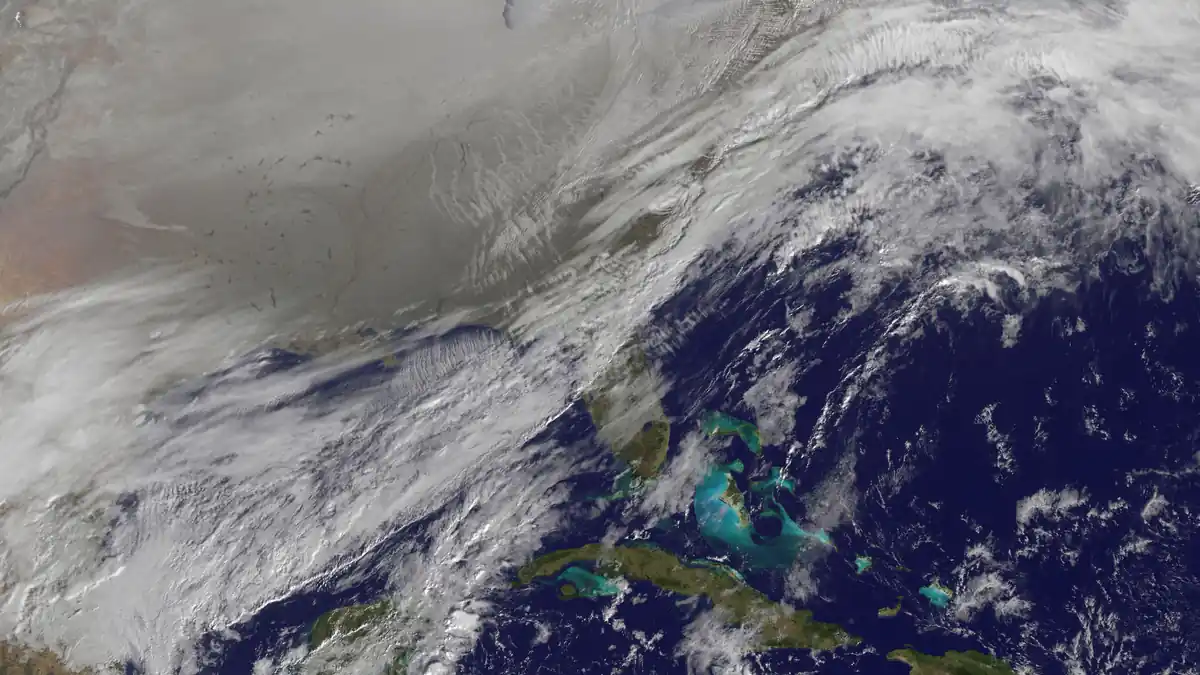
Weather headlines over the past week have warned of a “historic polar vortex disruption” sending Arctic cold into the US in early November. The reports describe an upper-atmosphere signal, but they do not guarantee a particular local forecast or holiday outcome. Surface impacts can vary substantially by region and by the way the atmosphere responds in the weeks ahead.
Forecast guidance has highlighted a possible early disruption in the stratospheric polar vortex. A major sudden stratospheric warming is defined using changes in high-altitude winds, but operational forecasters must confirm whether that threshold is reached.
For households and travelers, the practical message is to follow local forecasts rather than treat an upper-atmosphere signal as a guaranteed forecast for a particular road or airport.
Stretched vs. Split: What the 2026 Models Show
Not all polar vortex disruptions are equal, and the distinction has direct consequences for the timing of cold at the surface.
A stretched vortex—technically a “wave-reflection” or “displacement” event—occurs when the polar vortex elongates rather than breaking apart. Cold can be displaced toward lower latitudes, but the timing and location of surface impacts are variable.
A fully split vortex—a Major SSW requiring a complete reversal of 10 hPa zonal winds from westerly to easterly—can be followed by changes in lower-level weather patterns, although the timing, regional impacts and strength of any cold outbreak remain uncertain.
Researchers study how sea ice, snow cover and tropical Pacific conditions can influence winter circulation. Those relationships inform forecasts but do not make a specific local cold event certain.
A major warming requires specific wind criteria, and forecasters will continue to update their assessments as observations arrive. A potential stratospheric event is an important signal, not a complete surface forecast.
How long after a sudden stratospheric warming does cold weather hit?
Severe cold typically reaches the ground 14 to 21 days after a major sudden stratospheric warming (SSW) event occurs 19 miles above the Earth. However, if the polar vortex stretches like a rubber band rather than splitting completely, sharp cold snaps can hit the US Midwest and East Coast within 5 to 10 days.
As new observations arrive, travelers and homeowners should use National Weather Service forecasts and local emergency guidance for decisions about travel, heating and winter preparation.
Related reading: NOAA’s November weather outlook and the wider 2026–27 El Niño outlook.