 Sunita Somvanshi
 Govind Tekale
A law written in 1798 is creating a constitutional crisis. The Alien Enemies Act, largely forgotten for 80 years, gives presidents extraordinary power to deport foreign nationals during wartime. Now courts are deadlocked over whether President Trump can use it against Venezuelan gang members—and the answer will shape executive power for generations.
The law itself is simple but sweeping. It says a president can order the detention and removal of citizens from any foreign country engaged in “declared war” or “invasion” against the United States. This wasn’t some fringe provision. It was used during the War of 1812, World War I, and World War II. And it provided the legal basis for Japanese internment, when 120,000 American citizens and permanent residents were imprisoned based solely on their nationality.
Trump invoked this law in 2025 to deport Venezuelans his administration said belonged to Tren de Aragua, a criminal organization. The administration argued that a gang’s violence constituted an “invasion” under the law’s language.
Federal judges immediately split. Some blocked the deportations. A Trump-appointed judge in New York issued a permanent injunction preventing the administration from using the Act against the plaintiffs. A federal judge in Denver concluded the law “exceeds its scope” when used against a criminal gang rather than an actual foreign military invasion. Judge Charlotte Sweeney in Colorado issued a preliminary injunction on May 6, 2026.
But the Fifth Circuit Court of Appeals took a different path. Instead of ruling on whether Trump’s use of the law was constitutional, the court dismissed the case on technical grounds. Three of the plaintiffs had already been deported through other legal means, so the court said the case was “moot”—meaning there was no case or controversy left to decide. By doing this, the court avoided answering the fundamental question: Can presidents invoke 18th century wartime powers against criminal gangs?
Constitutional scholars are alarmed. George Mason University law professor Ilya Somin pointed out the danger: if presidents can simply declare an “invasion” exists, emergency powers that should only work during actual wars become blank checks that can be invoked anytime. The law’s language seems to require an actual state of hostilities with a foreign country, not criminal activity by people from that country.
The disagreement runs deeper than just law. Legal experts at the Brennan Center for Justice and the Cato Institute both concluded Trump’s application of the law lacks legal foundation. But others argue the president has broad powers over immigration and foreign nationals, especially during declared emergencies.
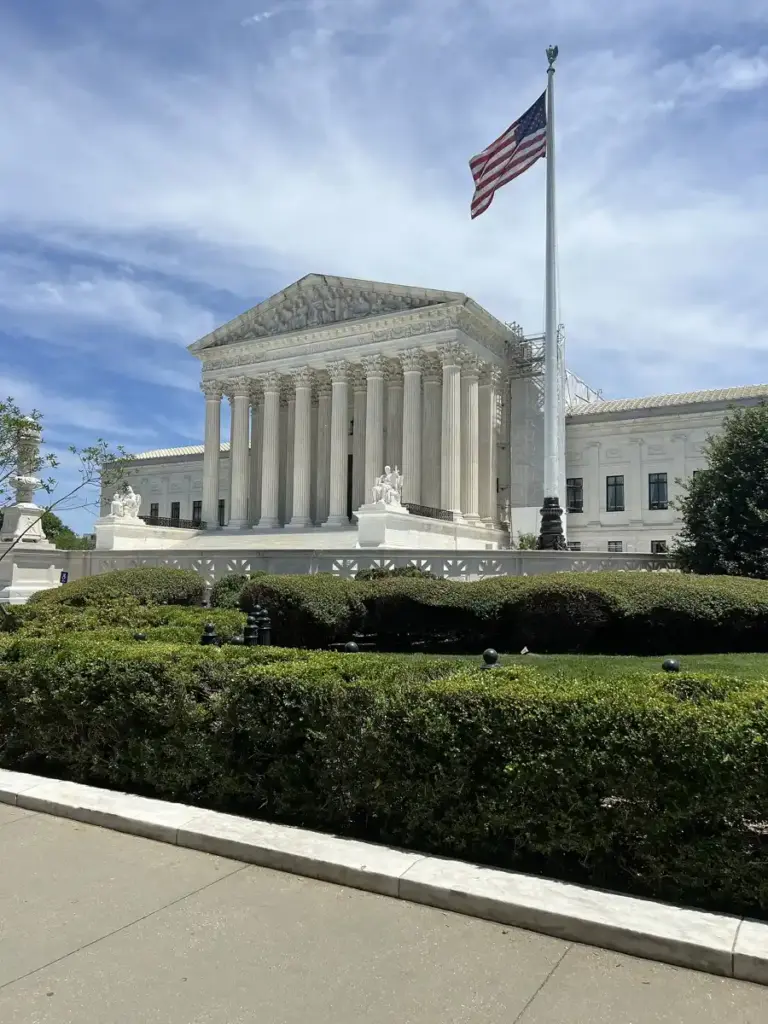
One point of rare agreement: all nine Supreme Court justices indicated that people detained under the Act are entitled to habeas corpus rights and can challenge their detention in court. Even if the president can invoke the law, detainees get a day in court. That’s not nothing, but it’s also not the robust protection that due process would normally require.
The Fifth Circuit’s moot decision didn’t resolve anything. Cases continue moving through lower courts. The Supreme Court could theoretically take up the issue through its emergency docket, but so far hasn’t. What remains is legal uncertainty—and a 227-year-old law that presidents can potentially weaponize against groups they declare threats, as long as those groups come from foreign countries.
This isn’t abstract constitutional theory. Hundreds of people are caught in the middle of this legal ambiguity right now, facing removal based on powers that courts can’t agree are even lawful.