 Sonali Tiwary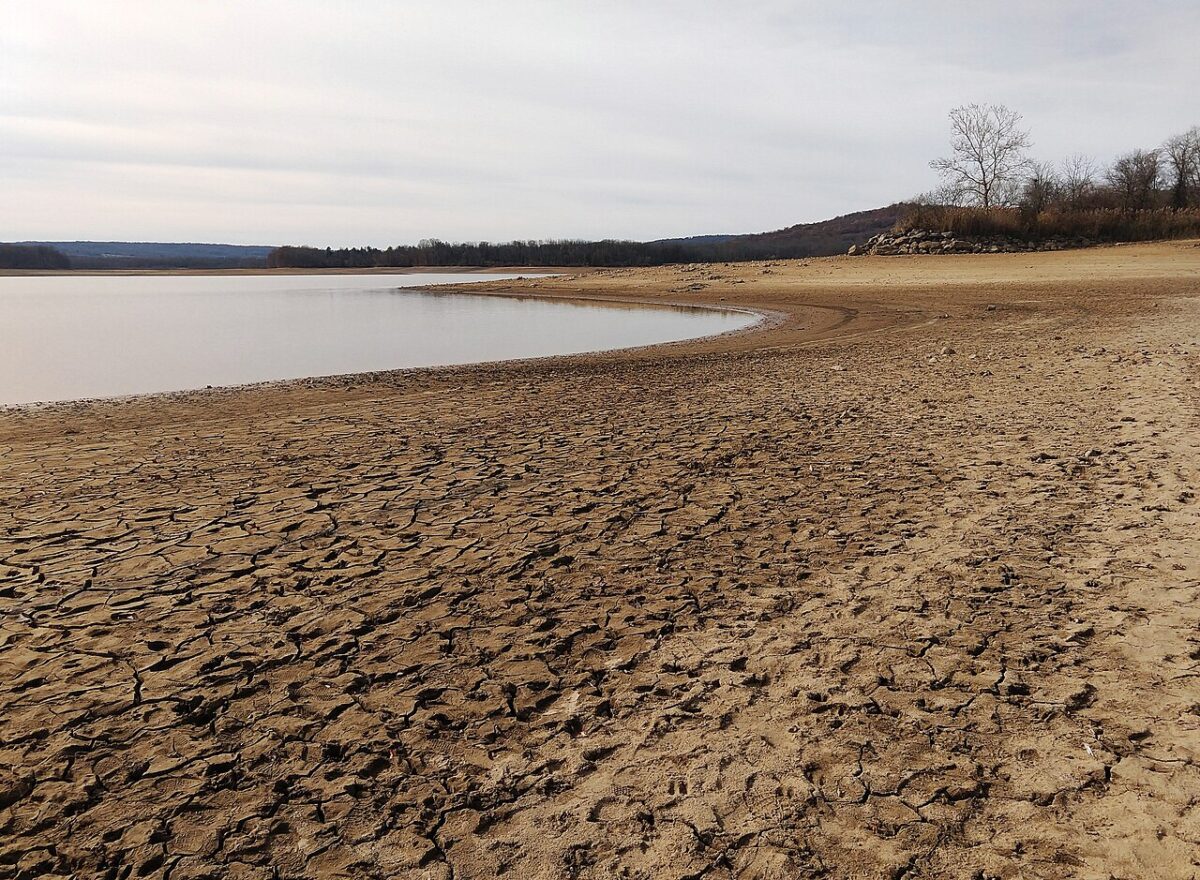
Estimated reading time: 1 minute
On August 8, 2026, at 00:01 am, South West Water’s hosepipe ban came into effect—crystallizing the failure of privatized water management in climate crisis. The ban affects Devon, Cornwall, parts of Dorset and Somerset, and the Isles of Scilly. Half of England has entered official drought status.
Public concern is evident: searches for “south west water hosepipe ban” exceed 20,000 queries with a 1,000% spike, indicating the severity residents perceive and the accountability they demand.
The Crisis
This represents the culmination of one of the driest periods in recent years. Record-low rainfall and sustained high temperatures throughout spring and summer 2026 stretched water resources to critical limits. South West Water had already imposed partial bans in July affecting Devon and Lyme Regis—incremental tightening signaling systemic reaction to crisis rather than anticipation.
Southern Water imposed its own hosepipe ban on July 21, two weeks prior. This staggered cascade across multiple companies demonstrates systemic failure, not localized mismanagement.
The History
South West Water’s record compounds current failure. A 2008 pollution conviction acknowledged environmental negligence. More recently, the utility became synonymous with a leakage scandal embodying the privatized water sector’s persistent underinvestment in pipe maintenance and infrastructure renewal.
Britain’s water system is predominantly Victorian—built when populations were smaller and climate patterns were stable. The 1989 privatization of England’s water authorities promised market discipline would drive innovation and efficiency. Instead, private operators answerable to shareholders systematically underinvested in infrastructure, choosing to distribute billions in dividends to investors while pipes crumbled underground.