 Karmactive Staff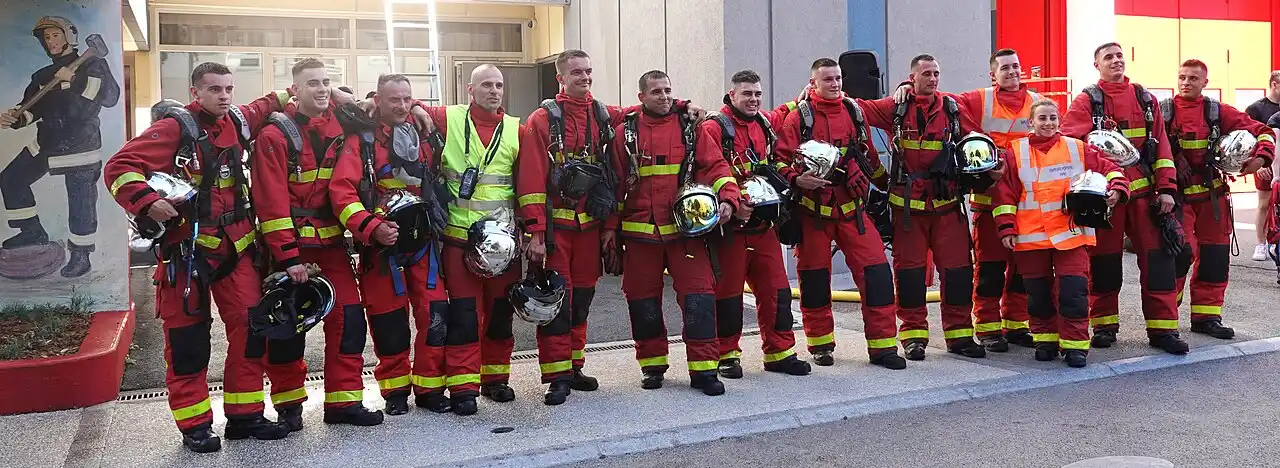
The fire at Spinnaker Cove started in one unit on Sunday afternoon and spread to consume a 6-alarm response by 4 p.m. By Monday morning, crews were still extinguishing hot spots inside the three-story structure on Sea Spray Lane. Four firefighters suffered injuries, including burns and smoke inhalation. One firefighter was overcome and required rescue—a mayday that brought additional resources rushing to the scene.
The incident revealed vulnerabilities embedded in how 1980s condominium buildings were designed to share structural space.
Spinnaker Cove, built in the early 1980s, features shared wall cavities and attic spaces that run horizontally across multiple units. When fire breaches a unit’s interior wall and enters those interstitial spaces, it travels above and between neighboring apartments before residents or firefighters even realize it’s spreading. This design wasn’t flawed when it was standard practice decades ago. Building codes have evolved. The vulnerability remained.
This isn’t speculation. A 2016 fire on the same street started in one unit and displaced all 42 residents of its building. The Harbor Cove Apartments, also in Foster City, required five rescues during a December 2025 fire. The pattern is clear: older Peninsula condominium construction shares systemic fire spread risks.
San Mateo Consolidated Fire Chief Matt Turturici faced extreme conditions during the response. The calendar said August, but the temperature and humidity made gear-wearing firefighters work under intense physical stress. Each firefighter wears approximately 100 pounds of protective equipment—turnout gear, air tank, helmet, boots—designed to protect against flames but creating heat stress in hot weather. Turturici acknowledged the challenge: “We don’t get the hot, hot days here a lot, but wearing the gear, they’re working their butts off.”
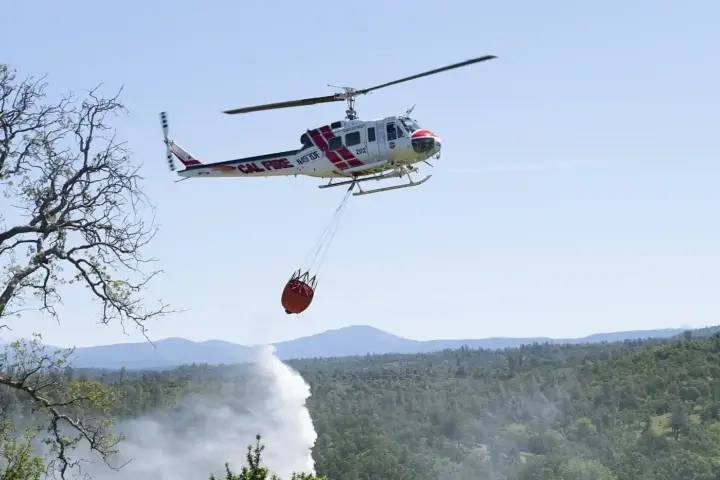
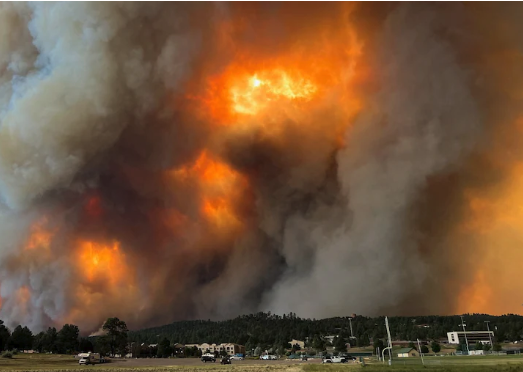
Wind gusts compounded the fire’s intensity. Flames spread faster in wind, burning more aggressively as fresh air feeds combustion. The August 2 timeframe coincided with elevated fire danger across California—the state was tracking multiple major wildfires in Washington and Oregon simultaneously. While Spinnaker Cove’s fire was a structure fire, not wildland fire, the statewide fire conditions meant additional resources were stretched thin.
The escalation timeline shows how quickly a fire’s severity assessment can change. What started as a two-alarm response (initial resource level) jumped to four-alarm, then six-alarm by 4 p.m. A six-alarm fire mobilizes resources across multiple jurisdictions. Mutual aid from surrounding departments meant personnel from across San Mateo County converged on the scene. The shift to “defensive mode” operations—fighting the fire from outside the building rather than interior attack—indicated command staff determined that the structural fire spread made interior operations too dangerous.
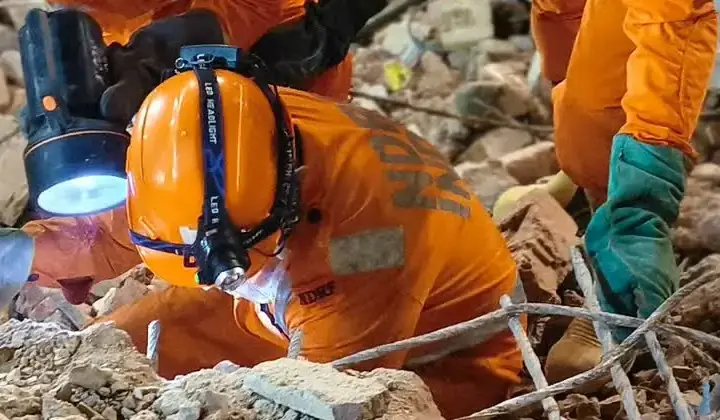
One firefighter became trapped by heat and smoke. The mayday call that went out prompted immediate rescue-focused operations. A firefighter down is one of the most critical situations in emergency response. Colleagues had to locate and extract him while the fire was still actively burning. He was hospitalized; a statement indicated he was later released but represented the day’s most serious personnel danger.
The 60 residents displaced faced immediate uncertainty. American Red Cross personnel were on-scene providing assistance with temporary shelter, food, and essential items. Long-term housing assistance and displaced person services would continue in the following days.
Authorities continued investigating the fire’s origin. No cause had been determined as of Monday. That means the question of whether this was accidental ignition, equipment failure, electrical problem, or deliberate action remained open. Understanding origin matters for building code refinements and occupant safety education.
The incident illustrates a hard truth: older buildings, hot weather, wind, and structural vulnerabilities create conditions where even routine fires escalate rapidly. Foster City’s fire department responded with professionalism and courage. But the underlying vulnerabilities remain waiting for the next alarm.