 Sonali Tiwary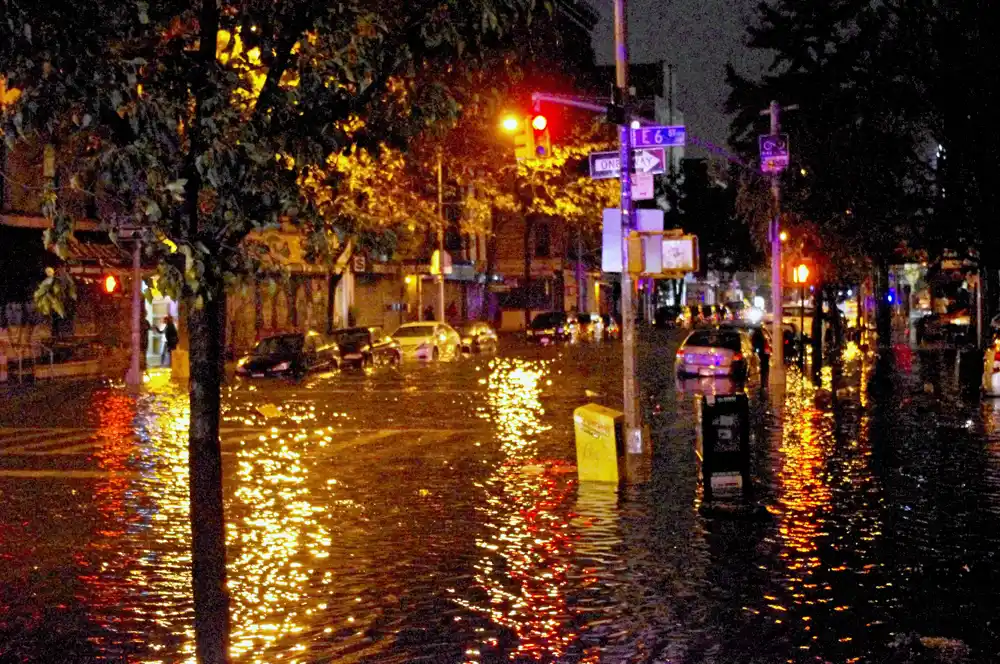
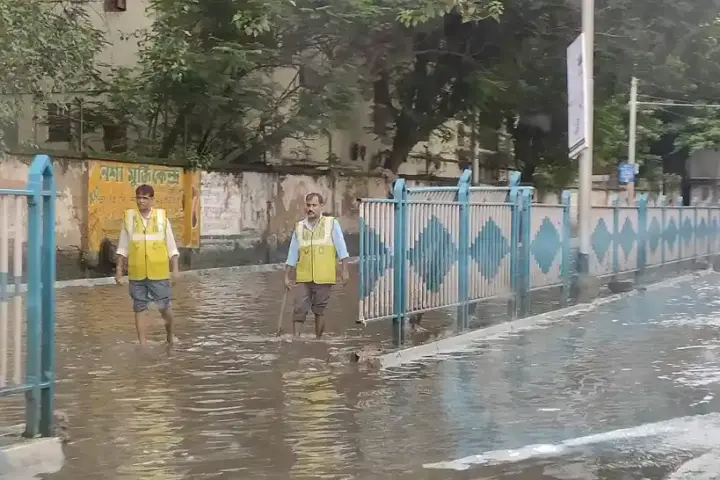
Monday’s flash flood warning across New York City and northern New Jersey wasn’t just about rain. It exposed a deeper problem: a 100-year-old drainage system that can no longer keep pace with modern downpours.
The National Weather Service issued Level 2 flash flood threat for NYC—the second-highest alert level. Rainfall rates reached 1.5 to 2 inches per hour in some neighborhoods, with isolated pockets recording up to 3 inches. That matters because NYC’s sewer infrastructure was designed for 1.75 inches per hour maximum capacity. When rain exceeds that, water has nowhere to go.
Mayor Zohran Mamdani’s office activated the city’s Flash Flood Emergency Plan before the storm hit. City crews moved through downtown areas clearing catch basins—those metal grates you see on sidewalks. A clogged catch basin can turn a street into a river within minutes. The Department of Environmental Protection even launched an “Adopt-a-Catch-Basin” volunteer program in Greenpoint, recognizing that community participation matters when infrastructure reaches its limits.
The MTA subway system felt the impact directly. The transit agency can pump about 13 million gallons of water daily out of subway systems through 286 pump rooms on dry days. But during intense rainfall, water enters faster than pumps can remove it. MTA Chair Janno Lieber explained the fundamental challenge: “Storms are getting more frequent and more intense. We are still pumping a ton of water out of the subway system. But sometimes it has nowhere to go because the city’s sewer system is overwhelmed.”
Of 472 subway stations citywide, only 28 currently have advanced stormwater prevention infrastructure in place. After the 2007 storm that flooded stations like Court Square and Chambers Street, the MTA spent $64 million retrofitting vulnerable locations with elevated vents and improved drainage around station entrances. Those fixes worked—Chambers Street, which flooded badly in 2007, stayed dry during September’s storm and Monday’s deluge.
The city’s current response includes $100 million pledged by the Mamdani administration for catch basin improvements. The MTA allocated $700 million within its five-year capital plan for subway stormwater resilience. Federal funding continues trickling in—$33.2 million from the Bipartisan Infrastructure Law went to installing complete stormwater drainage at the Bronx’s Westchester Yard, which serves the 6 train line. Progress is real but slow. Infrastructure experts note that improvements are “likely to be good enough” for areas facing 4 to 5 inches of accumulation, but deeper flooding requires different solutions entirely.
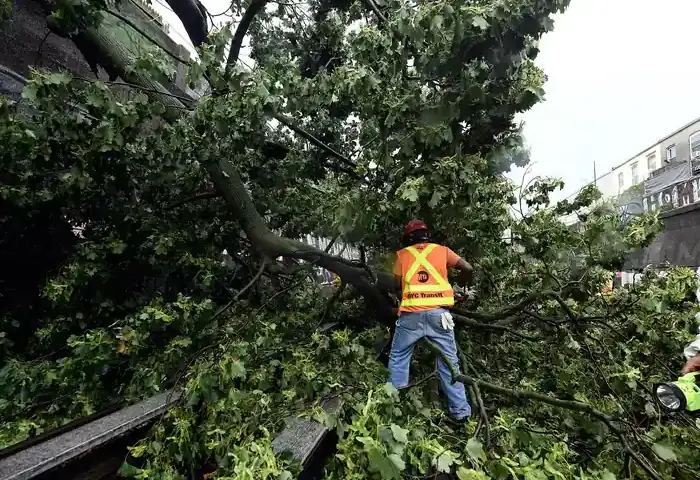
Wind gusts reached 50 to 70 miles per hour, adding another hazard. An isolated tornado could not be entirely ruled out. Power outages accompanied the flooding, affecting traffic signals and communication systems.
For residents, the immediate guidance was clear: avoid entering flooded stations, don’t touch floodwater (it may carry sewage and electrical current), and never assume water depth is manageable. Even seemingly shallow water can hide debris and electrical hazards that make passage impossible.
By evening, transit service resumed across most lines, though delays continued. The Long Island Expressway at 188th Street closed both directions briefly. Newark’s airport reported cascading cancellations.
The real takeaway? NYC’s infrastructure improvements are real but incomplete. Catch basins matter. Coordination between the MTA, Department of Environmental Protection, and city agencies saves lives. And individual preparation—checking weather alerts, avoiding flooded areas, keeping emergency supplies ready—remains each New Yorker’s responsibility when storms like this arrive. See how other cities are tackling emergency warning systems.