Karmactive Team
 Rahul Somvanshi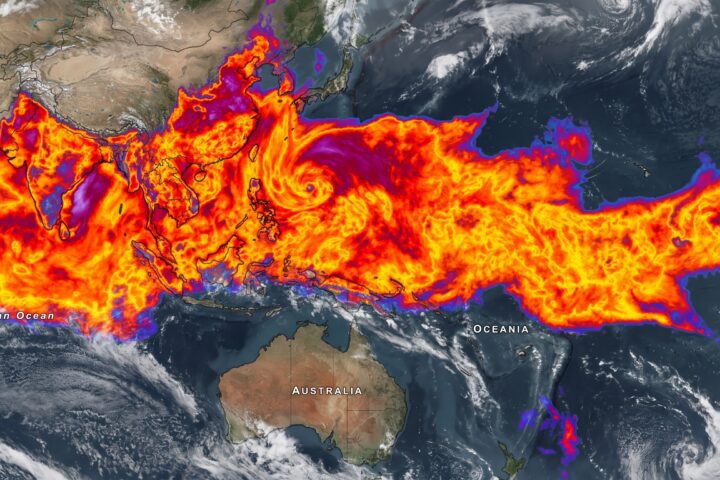
The National Oceanic and Atmospheric Administration (NOAA) has given 81% odds that the developing El Niño will break a 155-year intensity record, potentially becoming one of the strongest events in modern climate observation. Sea surface temperatures in the Pacific have already crossed the super El Niño threshold ahead of schedule, with peak intensity expected to arrive during October through December 2026 and effects likely extending into mid-2027.
The probability figure represents a dramatic increase from a 37% chance measured by NOAA in May 2026. The European Centre for Medium-Range Weather Forecasts projected that Pacific water temperatures could top 3°C above average as early as September, according to ECMWF modelling. Such intensity would place this event among the most powerful El Niños recorded since systematic climate observation began in 1871.
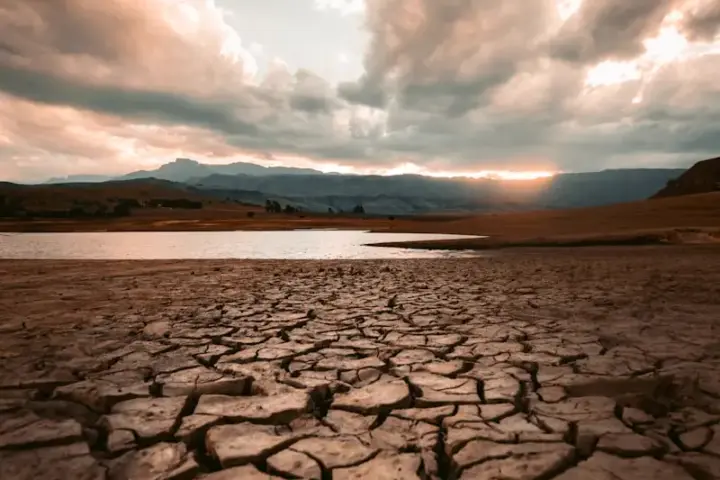
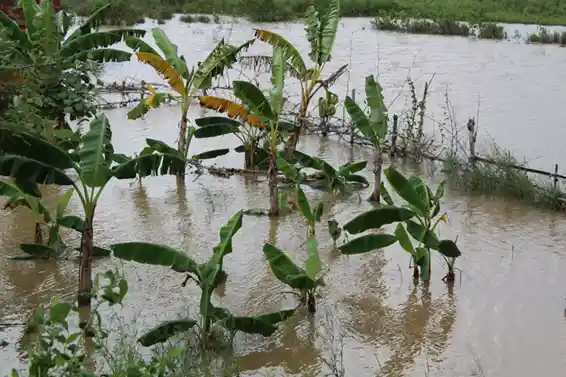
The anticipated climate pattern shift carries profound implications for global weather systems. Strong El Niño events typically bring wetter conditions to parts of the southern United States and California while increasing the likelihood of warmer-than-average temperatures across the northern tier of states. Monsoon disruptions expected across Asia, Africa, and South America could trigger agricultural stress in regions dependent on predictable seasonal rainfall.
Global temperatures typically increase during strong El Niño events as warm Pacific Ocean waters influence atmospheric circulation patterns worldwide. Climate scientists warned the super El Niño could contribute to record-breaking annual temperature increases, layering additional warmth on top of the ongoing global warming trend driven by greenhouse gas emissions.
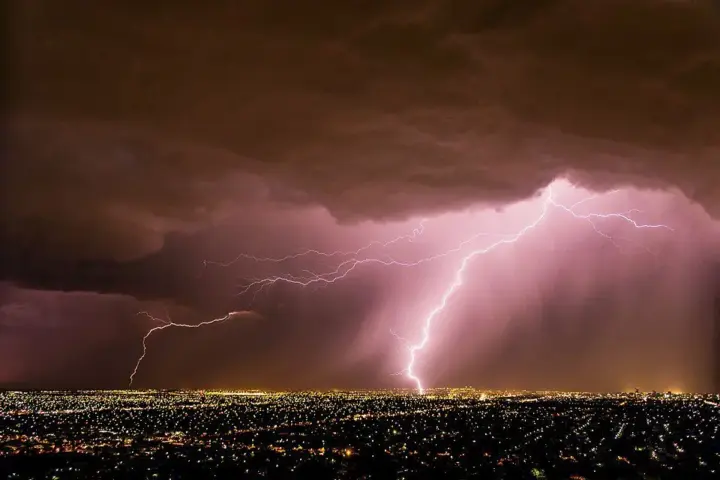
Tropical regions face increased probability of severe hurricane and typhoon development as anomalously warm ocean temperatures fuel storm intensification. Meanwhile, temperate regions may experience disrupted snow and ice patterns with implications for spring water availability and ecosystems dependent on snowmelt timing.
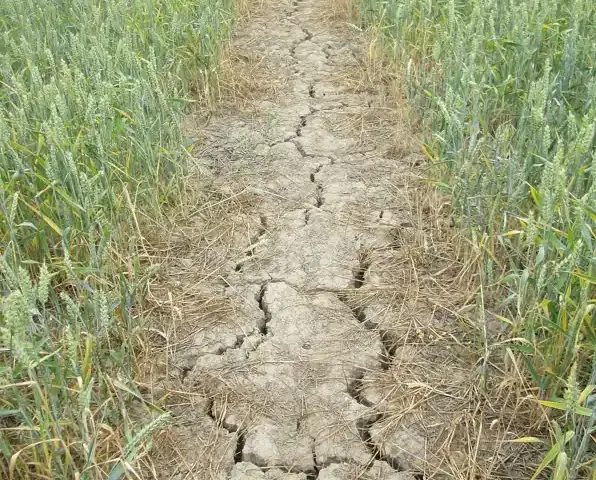
Agricultural sectors worldwide initiated contingency planning to address anticipated weather disruptions. Grain-producing regions face particular vulnerability to drought conditions in some areas and flooding in others. The Intergovernmental Panel on Climate Change has noted that El Niño events interacting with the background of accelerating climate change create compounded risks that are increasingly difficult to fully anticipate or model.