 Karmactive Staff
Two active hurricanes are currently affecting the Pacific Ocean region, with Hurricane Genevieve strengthening into a major storm while Hurricane Fausto continues to weaken. Both systems are being closely tracked by the National Hurricane Center, though they pose different hazard levels to nearby land areas.
Hurricane Genevieve intensified to a major Category 3 hurricane with maximum sustained winds of 120 mph, making it one of the stronger storms currently active in the Pacific. The hurricanes center is located approximately 515 miles southwest of Manzanillo, Mexico, and is traveling west-northwest at 16 mph. Forecasters indicate the storm will continue on a course well offshore from Mexicos coastline, keeping it away from direct land impact.
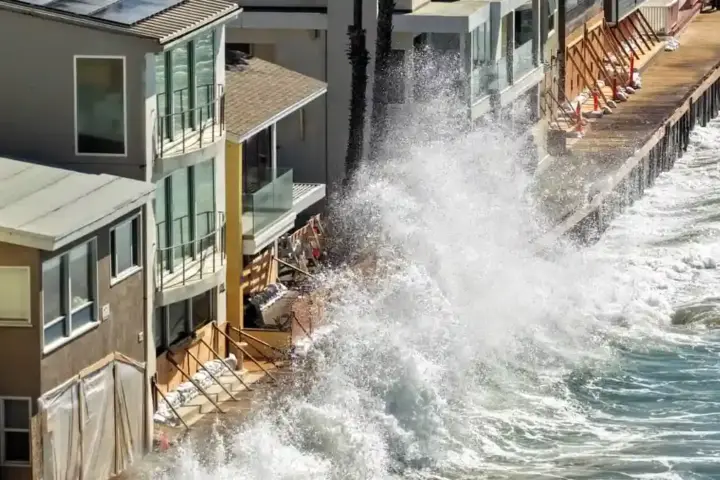
Despite the hurricane remaining at sea, Genevieve is still creating significant ocean hazards. The National Hurricane Center warns of life-threatening surf and rip current conditions along Mexicos southwestern coast, generated by swells from the distant storm. Mariners are advised to avoid the areas most affected by the large waves, and swimmers are cautioned against entering the water where rip currents are active.
Hurricane Fausto presents a different scenario. The storm has weakened to a Category 1 hurricane with maximum sustained winds of 85 mph as it moves toward the central Pacific. Faustos center was positioned approximately 910 miles east of Hilo, Hawaii, moving west at 14 mph. Forecasters predict further weakening over the coming days, with the system likely downgraded to tropical storm status within 48-72 hours.
While Fausto no longer poses a direct threat to Hawaiian islands or other populated land areas, it will still generate significant surf for parts of Hawaii. The National Hurricane Center recommends continued monitoring of the systems track, as tropical systems in the Pacific can be unpredictable.
The simultaneous presence of two hurricanes in the Pacific is not unusual during peak hurricane season from June through November. The warm ocean temperatures fueling these storms typically persist through late September, meaning additional hurricane development remains likely.
Residents in coastal regions from Mexico through Hawaii should monitor official National Hurricane Center updates for the latest forecasts. Emergency management agencies are prepared to issue watches and warnings if either storms trajectory changes to threaten populated areas.