Karmactive Team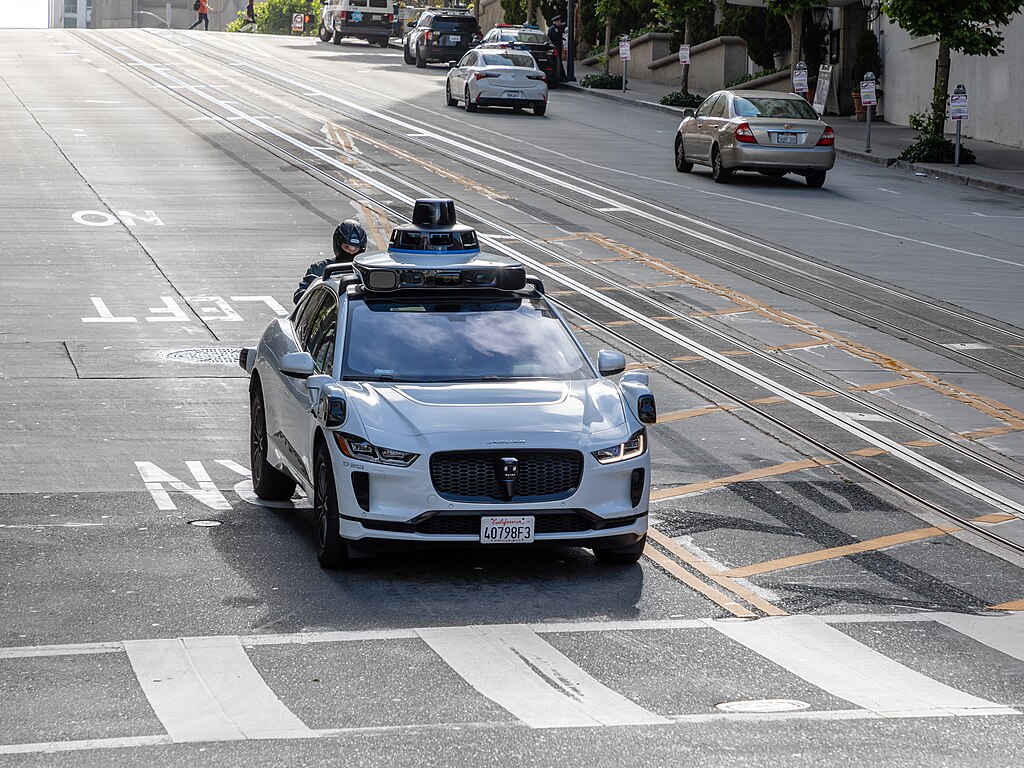
A driverless ride in San Francisco turned into a police stop after Waymo employees became aware of a firearm inside one of the company’s vehicles. The September 3 incident ended with two juveniles booked and an AR-styled weapon described by police as a ghost gun.
The stop happened before dawn in the Outer Richmond. Police were called to the 800 block of 40th Avenue just before 4 a.m., where officers carried out what SFPD described as a high-risk vehicle stop. Officers reported finding an “AR-styled assault rifle also known as a ghost gun,” along with suspected marijuana and mace spray.
Waymo told local media that employees became aware of the firearm, pulled the car over and alerted emergency services. The company’s public terms make riders responsible for how they use Waymo services, but the exact detection method in this case has not been publicly detailed. That distinction is important: the known fact is company awareness and response, not a confirmed technical explanation of how the weapon was detected.
The alleged ghost-gun detail adds a separate public-safety layer. California’s Department of Justice has issued guidance on ghost gun laws, a term commonly used for privately made or unserialized firearms that can be harder to trace. In this case, the suspects were not named because they are juveniles.
The incident also fits a larger mobility debate. Karmactive has covered Waymo’s expansion after more than 10 million robotaxi trips and the growth of road-monitoring systems such as Flock cameras. The San Francisco stop combines both themes: driverless mobility, private monitoring and police response.
No one should read this as proof that every robotaxi ride is watched in the same way. The public record is narrower. A firearm was reported inside a Waymo, the vehicle was stopped, police searched it, and two juveniles were booked. The unresolved part is how much riders are told about detection and escalation before they step into a car with no driver.