Sunita Somvanshi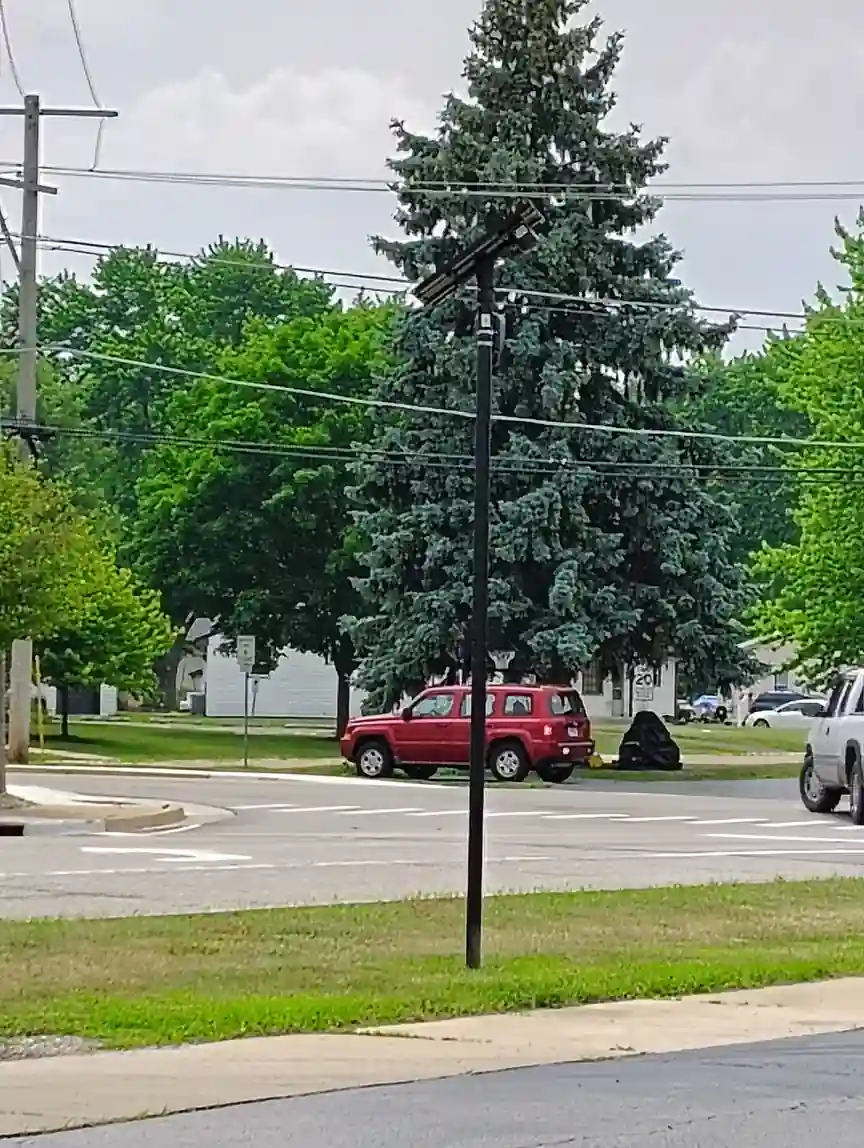
Flock Safety, the surveillance company with 130,000 cameras monitoring streets across the United States, frames privacy as a worthwhile trade-off for safety and security, echoing the language of the post-9/11 surveillance boom. But a New Yorker profile by Brady Brickner-Wood reveals the growing backlash against the company and its license-plate-reading cameras.
Founder Garrett Langley, 39, tells the story of creating Flock from the vantage point of a humble vigilante. In 2017, as his Atlanta neighborhood faced repeated thefts, he called the local police precinct and pleaded for help. The officer lamented a lack of options. Without evidence from eyewitnesses or recognition software, carjackers were “as good as invisible.” Langley called up two former classmates and began creating makeshift license-plate-reading cameras out of Android phones and solar panels.
Flock was recently reported to have a valuation of more than eight billion dollars, with its biggest investor being Andreessen Horowitz. Around 40% of the United States’ law-enforcement agencies now have contracts with the company, and cameras monitor roads in every state but Alaska. Flock cameras now read more than just license plates, recording the make, model, and color of passing vehicles. Police can use this information without a warrant or judicial approval.
The backlash has been mounting. Almost half of Americans oppose automated license-plate readers, according to the Washington Post. Some have taken to damaging, stealing, and defacing Flock cameras. Late last month, Texas Gov. Greg Abbott instructed state agencies to freeze spending on Flock cameras. A few days later, Florida Gov. Ron DeSantis revoked permits for license-plate readers on state highways and ordered their removal.
Police officers have been accused of exploiting Flock to stalk ex-girlfriends, track love interests, and monitor family members. A sheriff’s deputy in Texas searched a data pool of more than 80,000 Flock cameras to incriminate a woman who allegedly received a medication abortion. ICE has also tapped Flock data with the help of municipal police departments to hunt down and detain immigrants.
Langley told Politico he viewed his “job as building tools and then giving those which we elect democratically the control to decide how they’re implemented.” But the crowdsourced-data app DeFlock has become a leader in the anti-surveillance movement, providing a nationwide map of Flock cameras alongside legal and community resources.