Karmactive Team
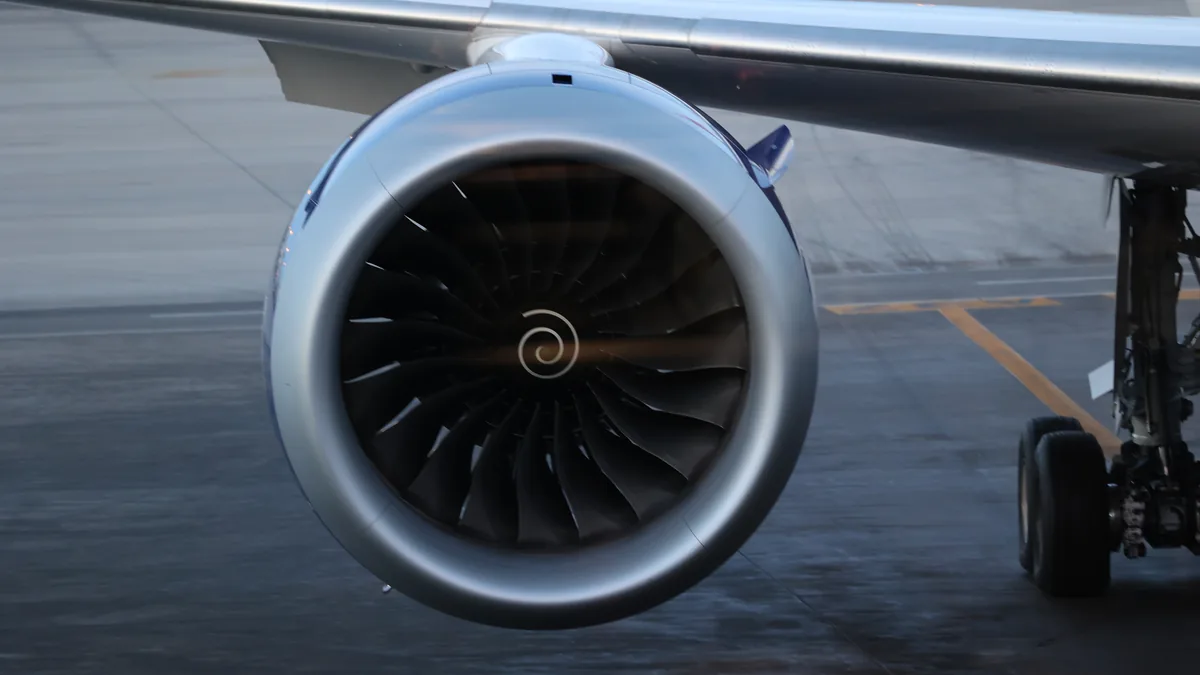
Rolls-Royce £2.5bn Jet Engine Deal With UK Government: What Is Agreed and What Is Not Yet Confirmed
If you work in UK manufacturing or hold Rolls-Royce shares, a new government deal could affect your jobs or portfolio for the next decade. The UK government and Rolls-Royce have agreed a £2.5 billion, 10-year programme to develop next-generation jet engines. Rolls-Royce sold its stake in the International Aero Engines consortium in 2012, and it has been out of the single-aisle market since.
The UK government and Rolls-Royce have agreed a £2.5bn joint programme, funded over 10 years, for next-generation jet engines for passenger and military planes. The government has not published how the £2.5bn is split between public and private funding. The release refers to single-aisle engines, and its source links point to Rolls-Royce’s UltraFan programme page. Narrowbodies are single-aisle planes such as the Airbus A320neo and Boeing 737 MAX. The government says the programme is expected to support 3,300 existing jobs by the end of 2029, with the potential for tens of thousands of new roles beyond that. Rolls-Royce chief executive Tufan Erginbilgic said: “This is a landmark moment for the UK’s aerospace industry.” Business Secretary Jonathan Reynolds said: “It makes sure Britain will win the race to power the next generation of passenger planes.”
For UK aerospace workers and suppliers in Rolls-Royce’s supply chain, the programme runs for 10 years. The 3,300 existing jobs are expected to be supported by the end of 2029. For investors, the public share has not been published, and any government support remains subject to value-for-money, affordability and subsidy control checks.
Why This Rolls-Royce Jet Engine Deal Matters for Single-Aisle Jets
Single-aisle jets such as the Airbus A320neo and Boeing 737 MAX are largely powered by CFM and Pratt & Whitney engines. Rolls-Royce sold its stake in the International Aero Engines consortium in 2012.
The government’s announcement says no new grants have been awarded under the agreement yet. Future support is subject to legal, affordability, value-for-money and subsidy control reviews and government approval. The release also says the programme helps secure future military air capability.
Frequently asked questions
How much is the UK government investing in Rolls-Royce’s new jet engine? The £2.5 billion programme is jointly funded by the government and Rolls-Royce over 10 years, but the government has not published the split. No new grants have been awarded under the agreement so far, and any future support is subject to value-for-money, affordability and subsidy control checks.
When will the Rolls-Royce UltraFan narrowbody engine be tested? The government release does not give a test date. It says further value-for-money, affordability and subsidy control approvals are still required.
How many jobs will the Rolls-Royce £2.5bn deal create? The government says the programme is expected to support 3,300 existing jobs by the end of 2029, with the potential for tens of thousands of new roles beyond that.
The agreement still needs value-for-money, affordability and subsidy control approvals. We will update this story when the funding is approved or its terms are published. Check back for updates.
\———————————————————————————————–
\———————————————————————————————–
## How to Log Into WordPress REST API — Step by Step
### What We Used: \*\*Application Password Authentication\*\*
\—
### Step 1: Get the Credentials
From the Pipeline file (\`Karmactive Pipeline.md\`), the credentials are:
\- \*\*Username\*\*: \`Sunita Somvanshi\`
\- \*\*Application Password\*\*: \`Tw8Q Khc9 8KxU 5L4O 3Q0s 0w6J\` (remove spaces → \`Tw8QKhc98KxU5L4O3Q0s0w6J\`)
> Application Passwords are created in WordPress Admin → \*\*Users → Profile → Application Passwords\*\* section. They’re separate from the login password and designed for API access.