 Tejal Somvanshi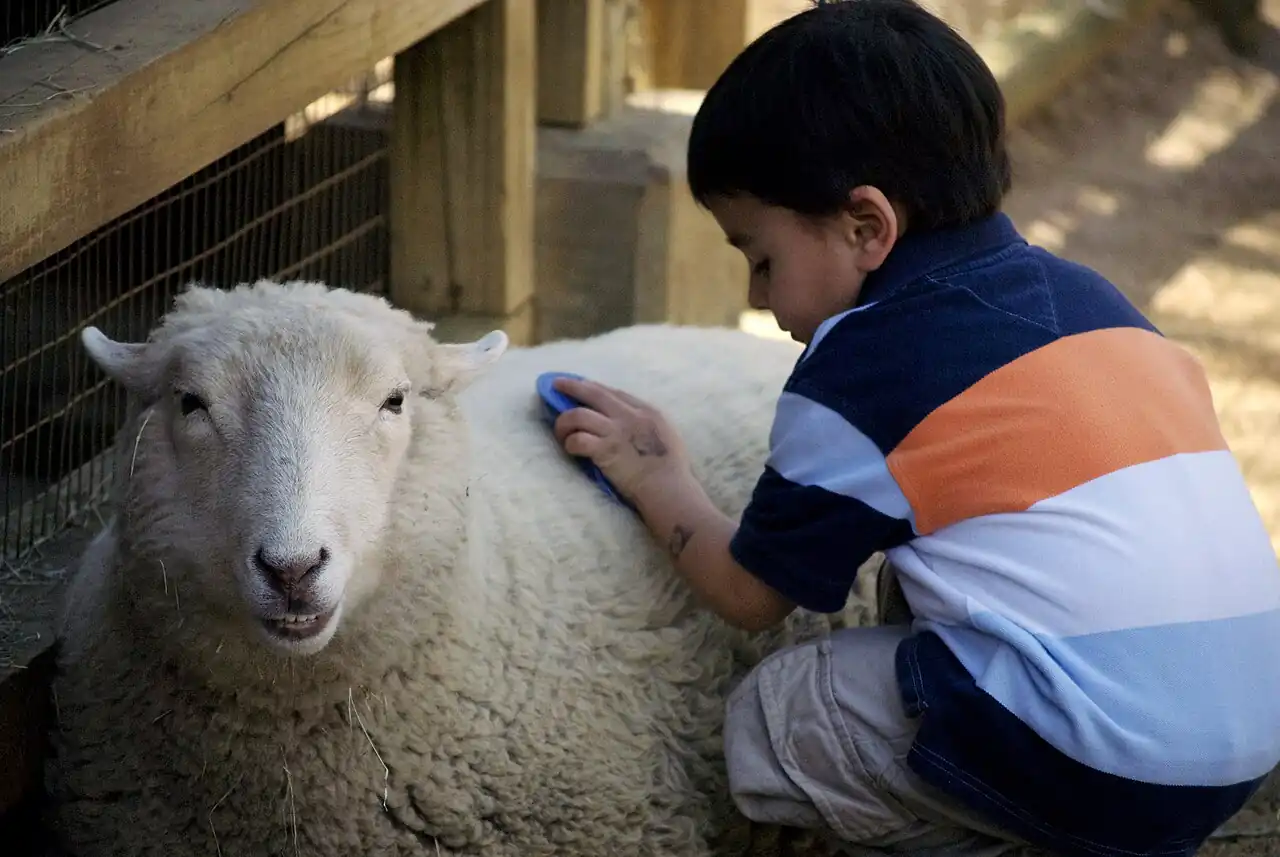
A three-year-old girl in Victoria, Australia, died on August 31 after spending six weeks in an intensive care unit. Her family says she may have picked up a dangerous bacterial infection after visiting a farm where she held, rode, and petted animals.
The infection she developed is linked to a type of bacteria called STEC — Shiga toxin-producing Escherichia coli. Most E. coli strains are harmless and live naturally in the gut. STEC is different. It produces Shiga toxins that can damage blood cells and the lining of small blood vessels throughout the body, which can trigger a condition called Hemolytic Uremic Syndrome, or HUS. In this girl’s case, the damage affected her kidneys and brain.
Victoria’s STEC notifications in 2026 tell a broader story. By early September 2026, the state had recorded 179 STEC notifications for the year, compared with 158 at the same point in 2025. Deputy Chief Health Officer Clare Looker noted the increase since 2023 has been marked, while acknowledging that improvements in testing and detection may partly explain the rise. Better surveillance data and genuine trend increases are difficult to separate without deeper epidemiological analysis.
Victoria’s Deputy Chief Health Officer Clare Looker described the progression to HUS following this type of infection as “very, very rare.” She noted that Victoria typically records between one and five HUS cases per year, and that the state had recorded two such cases in 2026. Health authorities confirmed the cases were under investigation but had not identified a confirmed common source between them.
This is an important distinction. The family has said the farm visit may have been the source. That link has not been officially confirmed by health investigators. The investigation is ongoing.
So why does this matter even if the link is not confirmed?
Because farm animals — goats, sheep, calves, and similar animals — can carry STEC and related bacteria without showing any signs of illness. The animal looks perfectly fine. It sheds the bacteria in its stool. That stool gets onto fleece, wooden railings, gate latches, and feeding containers. A child touches those surfaces and then touches their mouth, which can be enough for infection to occur.
This contamination pathway extends beyond sheep and goats. Chickens, pigs, and deer can also carry STEC. Water troughs and soil become reservoirs when contaminated faeces are present. Visitors who sit on the ground, handle feed, or touch any wet surface in an animal contact area face potential exposure. In commercial petting farm settings, the highest-risk areas are those where animals are fed by hand and where children frequently touch the same surfaces as many other visitors.
In 2017, Australia recorded two separate petting-zoo outbreaks — one involving Cryptosporidium and one involving STEC — each affecting six people, both in South Australia.
Now here is the part most parents get wrong.
Many families reach for a hand sanitiser after animal contact. Soap and water is the more effective choice in farm settings where surfaces are covered in organic material. Alcohol-based gels work well against many germs, but they do not effectively kill Cryptosporidium, another pathogen common in animal contact settings. They also do not penetrate dirt and organic material the way running water and soap do.
Queensland Health’s official guidance on animal contact settings is direct: illness from animal contact is infrequent, but it can be serious — especially for children under five, pregnant women, older adults, and people with weakened immune systems.
The right approach after touching farm animals is soap and running water, scrubbing for at least 20 seconds, before eating, drinking, or touching the face.
The CDC lists specific warning signs of HUS that need immediate medical attention: noticeably less urination than usual, unusual bruising or tiny red spots on the skin, blood in urine, extreme tiredness or irritability, and reduced alertness.
If a child develops these symptoms, seek emergency care the same day.
What reduces the risk meaningfully, beyond handwashing: not eating or drinking inside the animal contact area, not allowing children under five to put their hands to their mouths before washing, removing footwear at the exit of the animal area where possible, and washing clothes worn in the setting before wearing them again. These steps do not eliminate risk, but they interrupt the most common transmission pathways between animal environments and children.
The Victorian girl’s death does not mean petting farms are inherently dangerous. What it does mean is that animal contact carries a real, if rare, biological risk — and simple handwashing is one of the most effective things families can do to reduce it.
Victoria’s health authorities continue to investigate potential sources and settings linked to the cases.