 Sunita Somvanshi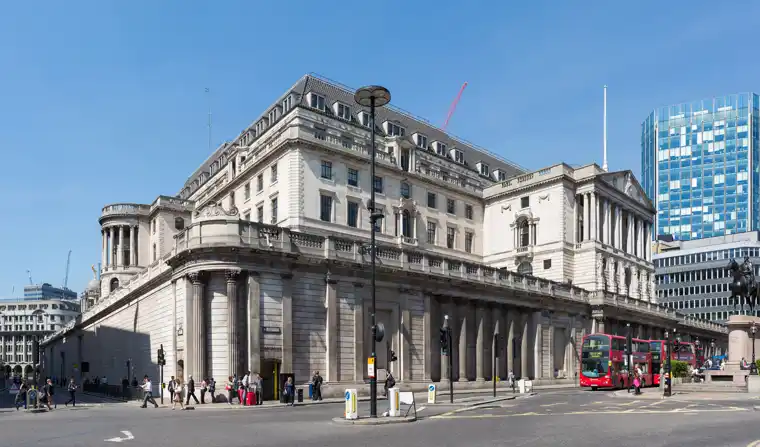
Britain’s labour market showed fresh signs of cooling in the second quarter, official data published on Tuesday showed. Private-sector pay growth slowed to its weakest pace in nearly six years, and job vacancies fell to their lowest level in more than five years.
The Office for National Statistics said private-sector regular earnings rose 2.8 per cent year on year in the three months to June, the softest reading since October 2020. The unemployment rate held at 4.9 per cent, against forecasts of a dip to 4.8 per cent.
Job vacancies dropped to 707,000 in the three months to July, down from 711,000 in the prior period. That is the lowest figure since the three months to April 2021, and outside the pandemic it is the weakest since late 2014, the statistics agency said.
Liz McKeown, the ONS director of economic statistics, said the overall picture was little changed with some softening still evident. “The labour market picture is little changed overall, with some softening still evident,” she said.
The figures matter to the Bank of England, which watches wage growth as a gauge of domestic inflation pressure. The data came as policymakers assess the fallout from an energy price shock linked to the war between Iran and the United States, which has pushed up living costs.
Overall annual earnings growth, excluding bonuses, stood at 3.5 per cent in the second quarter, a touch above the 3.4 per cent expected by economists polled by Reuters. The report weighed slightly on the pound.
Employers have pulled back on hiring as higher employment costs and weak demand bite. The reading adds to a policy dilemma for the central bank: wage growth is cooling, yet energy-driven inflation could persist.
The release follows a run of weak surveys across the services and manufacturing sectors. Separate figures this year have shown firms shedding staff and vacancies shrinking across much of the labour market.
The ONS bulletin covers the period before the latest geopolitical shock to energy markets, so further softening may appear in coming months. The statistics agency said it would continue to track the labour market closely.