 Sunita Somvanshi
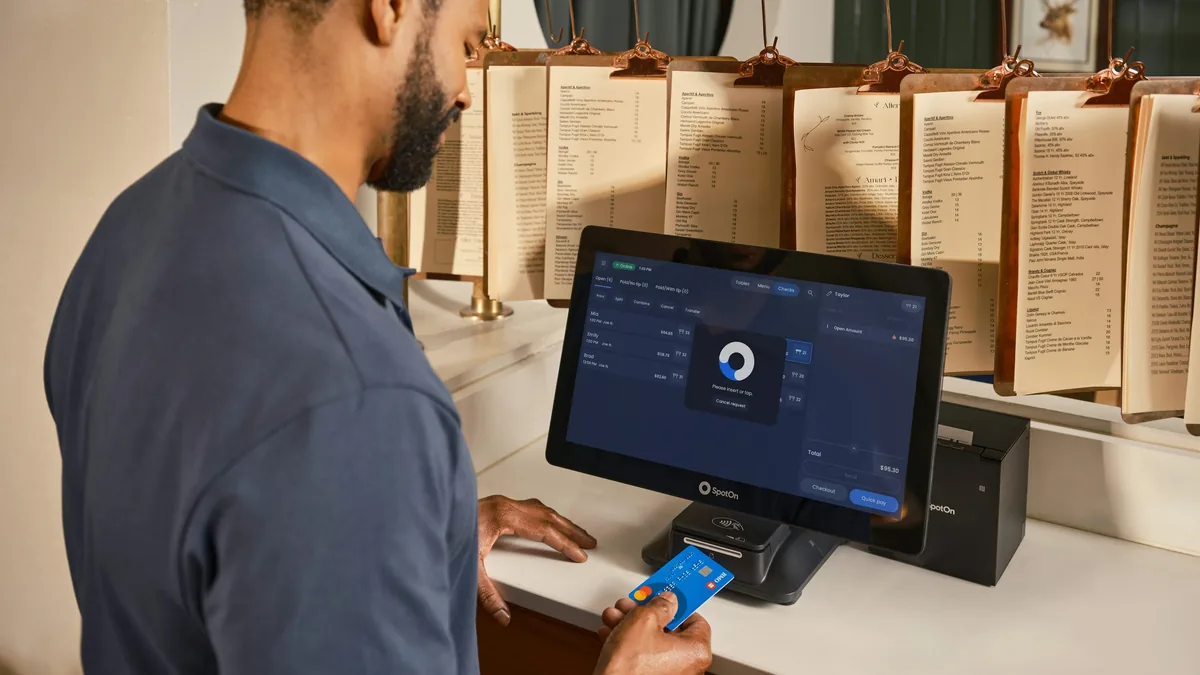
The credit card surcharge on your morning coffee, your online order and your phone bill payment disappears from Thursday. From 1 October 2026, Visa, Mastercard, American Express and eftpos are introducing no-surcharge rules under their card network schemes — meaning businesses that accept these cards can no longer add a percentage-based checkout fee for doing so. But the change has boundaries worth understanding before you assume every extra payment cost is gone.
The change takes effect 1 October 2026 through each card network’s scheme rules and merchant contracts. The Reserve Bank of Australia enabled this by varying its own payment standard, allowing networks to impose no-surcharge rules on merchants. From that date, merchants who accept Visa, Mastercard, American Express or eftpos are prohibited under their merchant agreements from charging customers a surcharge for using those cards. The card networks and payment service providers are responsible for enforcing these rules through merchant contracts. The ACCC’s role is separate: it administers Australian Consumer Law prohibitions on misleading pricing practices, which means renaming a surcharge to avoid the ban could attract serious penalties.
The change removes card-payment surcharges as a line-item cost. It does not remove payment processing costs from the economy — businesses still pay terminal fees and bank processing charges. The reform changes how those costs can be recovered; what they’re allowed to add to a specific card transaction has changed.
What Businesses Can Still Legally Charge After 1 October
Weekend and public holiday surcharges in hospitality remain. These cover higher staff wage costs on penalty-rate days and have nothing to do with card payment processing. They are a separate legal category and are unaffected by Thursday’s change.
Cash discounts are permitted. The ACCC’s pricing guidance allows businesses to charge a lower price for cash payment, provided the standard advertised price is the card price and the pricing is not misleading.
Refusing to accept cards entirely is permitted for most businesses. Businesses that choose not to accept card payments at all and require cash or direct bank transfer are not bound by the no-surcharge rules — which only apply if cards are accepted. Note that separate ACCC cash acceptance rules now apply to supermarkets and petrol stations, which are covered by the ACCC’s cash acceptance industry codes.
Platform handling fees and transaction minimums are an area for case-by-case assessment. Some school canteen platforms, childcare payment systems and council payment portals have introduced flat handling fees or minimum transaction thresholds. Whether specific fee structures breach the spirit of the reform depends on the circumstances and is subject to ACCC monitoring of misleading pricing conduct.
For Australian small business owners managing the transition, [how the RBA’s interchange fee caps work and what they mean for merchant processing costs](/rba-interchange-fee-caps-explained) covers the cost side in more detail. And for consumers wondering [how the surcharge ban affects reward credit card programs](/reward-credit-cards-surcharge-ban), that story also has changes worth checking.
Frequently Asked Questions
Can a shop still refuse to accept card payments after 1 October? For most businesses, yes. The no-surcharge rules prevent businesses from adding surcharges if they accept cards — but they do not require businesses to accept cards at all. Note that separate ACCC cash acceptance rules apply to supermarkets and petrol stations. A business outside those categories that moves to cash or bank transfer only is operating within the existing rules.
Do weekend restaurant surcharges disappear on 1 October? No. Weekend and public holiday surcharges in hospitality are separate from the card surcharge change. They cover penalty-rate wage costs for staff, not payment processing fees, and remain legal after 1 October.
Will the card surcharge change make everyday purchases cheaper? In most standard retail settings, yes — percentage-based card fees should stop appearing at checkout. However, some platforms for school and childcare payments are introducing flat handling fees or transaction minimums. Your total cost at checkout may not always drop as simply as the line-item change suggests.
From 1 October, checking your receipts for a few weeks will show whether your regular merchants have removed card fees cleanly or introduced alternative charges. Consumers who see businesses continuing to add surcharges after Thursday can report potential misleading pricing conduct to the ACCC at accc.gov.au.