 Sunita Somvanshi
Government borrowing costs are climbing across the globe, and Britain is out in front. UK bond yields hit levels not seen in nearly thirty years this week. The move came days after the Bank of England held interest rates steady, even as three policymakers pushed for a hike and officials warned that energy price swings could force their hand. Investors are nervous, and taxpayers will likely feel it first.
The yield on UK 30-year gilts touched 6% on Tuesday, the highest since 1998, per LSEG benchmark data. Across the Atlantic, the US 10-year Treasury yield reached 5.342%, its highest point since 2002. The Bank of England’s Monetary Policy Committee voted 6-3 to hold its base rate at 3.75%, with three members wanting an increase instead. The committee pointed to volatile energy prices as a reason further hikes may still be needed. Markets now price an 80% chance of a rate rise when the Bank meets again on 5 November, a week after Chancellor Healey delivers the Budget on 28 October, with the £23.6 billion of fiscal headroom from the spring now roughly half wiped out by rising debt costs.
Higher UK bond yields raise the government’s own borrowing costs, squeezing money left for public services and tax choices. Mortgage pricing in Britain tends to track gilt yields, so homeowners refinancing soon could face steeper rates. Pension funds using liability-driven investment strategies, the same funds at the center of the 2022 mini-budget turmoil, are watching margin requirements closely again. A sharp yield spike can force fast gilt sales, pushing yields even higher.
Why this is happening now
Several forces are pushing yields up together.
First, inflation risk has not gone away. The Bank of England held rates at 3.75% instead of cutting, citing energy price volatility as a reason inflation could stay stubborn. Brent crude trading back above $96 a barrel adds to that pressure, since pricier energy feeds straight into headline inflation.
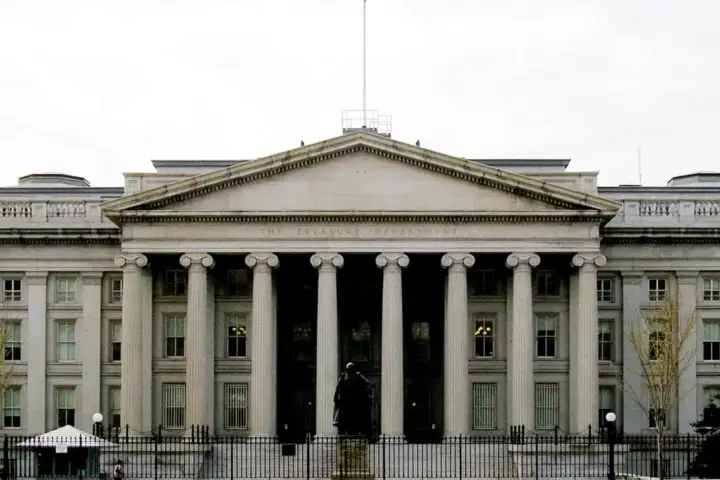
Second, government debt loads are large almost everywhere. The US national debt has pushed past $40 trillion according to Treasury data, and Washington keeps issuing more Treasuries to cover its deficits. When bond supply grows faster than demand, prices fall and yields rise. The same dynamic is playing out in Britain, where the Budget on 28 October will test how much more borrowing the market will tolerate.
Third, this is a wider story than just the UK and US. French government bond yields have climbed to their highest levels since 2008, while German Bunds are at their highest since May 2011, as European governments wrestle with their own spending pressures and shaky coalition politics. When yields rise together across major economies, it points to a global repricing of what it costs governments to borrow, rather than a problem confined to one country.
Fourth, the Bank of England’s own signals are being read closely. A 6-3 vote, with three members wanting a hike, tells markets the committee is split and leaves room for a rise. An 80% chance of a move on 5 November means traders are already positioning for tighter policy, which pushes current yields higher.
Finally, memories of the 2022 pension crisis have not faded. Funds that hedge interest rate risk using gilts as collateral are more cautious than before, but many still hold leveraged positions. A fast yield spike triggers margin calls, forcing funds to sell more gilts, adding pressure when the market is already stressed.
What stands out is the shape of the UK yield curve itself. Long-dated 30-year gilts have risen further and faster than shorter maturities, meaning investors want far more compensation to hold British government debt for three decades than for three years. That gap points to doubt about Britain’s long-term fiscal path, separate from any single short-term rate decision.
For most households, a rising 30-year gilt yield does not change daily life right away, since it mainly affects government borrowing costs. But it filters through over time. Fixed mortgage rates often track gilt yields, so new mortgage deals can get pricier. Pension schemes covering future payouts may face higher costs to manage risk. And government budgets have less room for tax cuts or extra spending, since more revenue goes toward interest payments instead of services.
None of this means a repeat of the 2022 crisis is guaranteed. The Bank of England and pension regulators have built in more safeguards since then. But the direction of UK bond yields matters well beyond the bond market. It shapes mortgage costs, pension security, and how much room Healey has at the Budget on 28 October. For now, markets are betting that borrowing just got more expensive, and they are rarely wrong for long.