 Rahul Somvanshi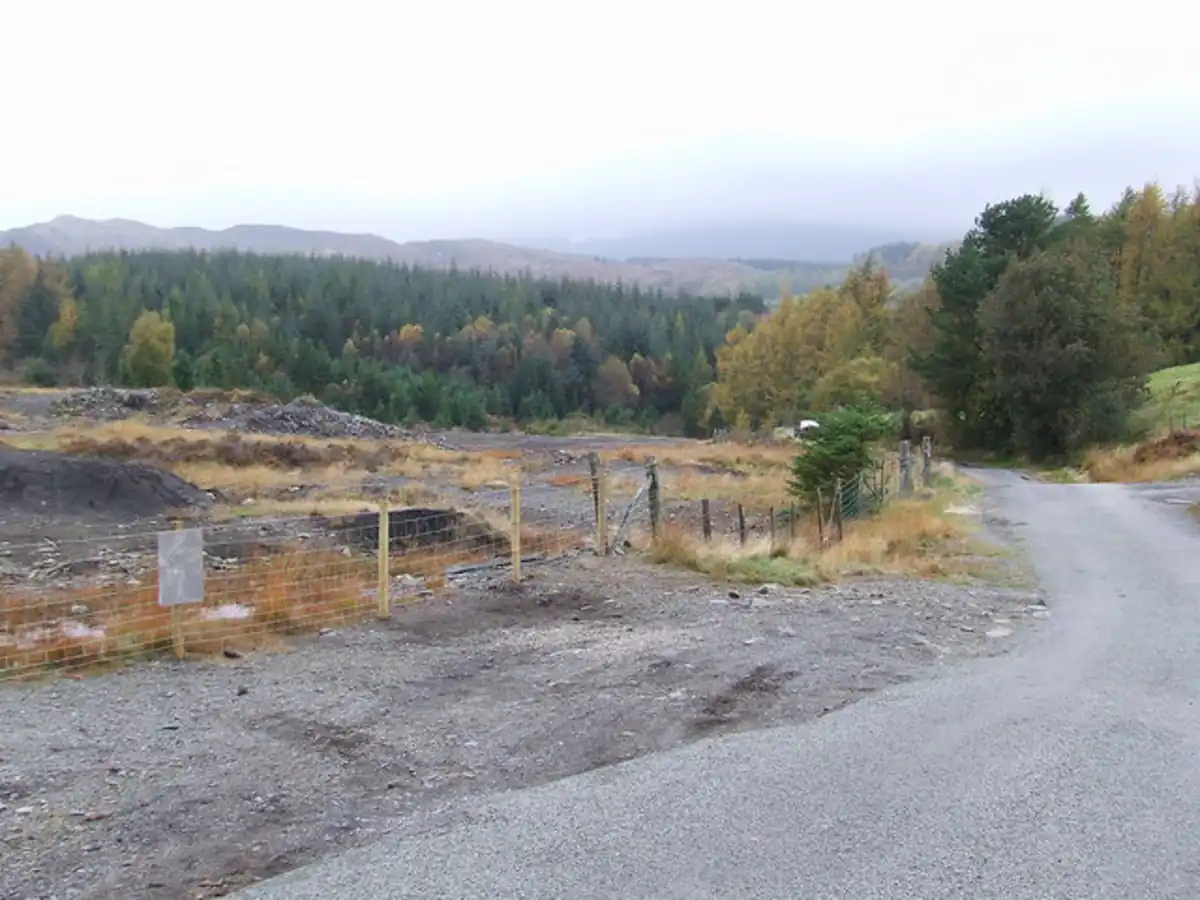
A BBC documentary sees actor Michael Sheen investigate the alleged disposal of hazardous industrial chemicals across Wales, including sites that residents say coincide with rare cancers in their communities. The investigation centres on polychlorinated biphenyls, or PCBs—manmade compounds that are stable, resist extreme temperatures and pressures and insulate, which is why they went into products from plastics and paint to electrical equipment. They break down slowly and linger, particularly in landfill, where they can leach into waterways and then the sea.
Environmental researcher Douglas Gowan spent decades attempting to raise the alarm about 14 sites of concern, 12 of them in Wales, before his death. Sheen spoke to Gowan months before he died and recalled: “What he told me made my blood run cold.” Gowan alleged that chemical giant Monsanto had dumped “huge amounts of industrial chemicals all around Wales,” describing PCBs as “some of the worst contaminants known to man.” He explained the mechanism by which contamination spreads: “This stuff builds up in the environment, builds up in animals and fish, and it builds up in us.”
Sheen had his own blood tested as part of the documentary and the results revealed 81 different types of PCBs, despite him never having lived near any dump site. Sheen described PCBs as “the godfather of forever chemicals” and noted: “There is no safe level of PCBs, it’s a risk all of us have to try and manage.”
Environmental chemist Dr Dave Megson sampled 14 sites of concern, including the 12 in Wales. In the 1980s, a fire at a lagoon at Llwyneinion near Ruabon, Wrexham, required more than 18 hours and 60 firefighters to control. The effects of chemicals released in the blaze were reportedly felt up to 20 miles away. Michael Phillips, who played at the lagoon as a child in the 1980s, fired air guns at rusty barrels that released clouds of coloured powder. He was later diagnosed with cancer and believes health effects began emerging in 2001. Several of his childhood friends developed rare cancers; one died of breast cancer, another of brain cancer. These residents allege a connection between their childhood exposure to the site and their later diagnoses, an allegation the documentary investigates.
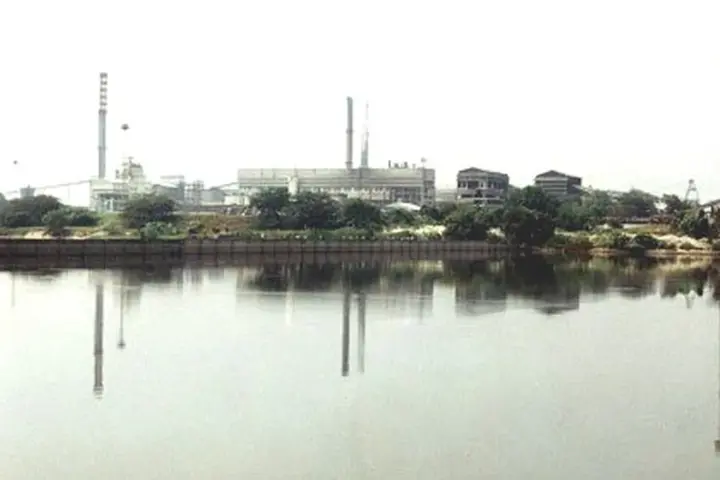
The dumping was not unique to Wales. Monsanto pumped PCBs into waterways in Anniston, Alabama. In 1993, the town sued Monsanto in one of the largest single-town lawsuits in US history. Attorney Donald Stewart, involved in the case, said the settlement reached $300 million. Internal Monsanto documents showed the company was aware of PCB toxicity as early as 1949.
Journalists Dan Ashby and Lucy Taylor, working with Sheen’s investigation, found a 1972 Monsanto memo indicating the company treated PCBs as a worldwide environmental and human-health problem. That same year, Monsanto was shutting down production at Anniston. Yet proposals existed to increase capacity to make five million more kilograms of PCBs at its Newport plant in the UK. Ashby explained the regulatory environment: “Then the government in the UK told the industry ‘we’re not going to put any restrictions on importing PCBs.’ So they begin importing from around the world, hundreds of tonnes of PCBs.”
Wrexham councillor Paul Pemberton, a councillor for over 20 years, said the site had been “abused for many, many years.” Scientists found cyanide, arsenic, and PCBs at the location. An estimate for cleanup was quoted at around £45 million—a sum Pemberton said “would bankrupt the council.” However, Wrexham Council later stated that investigations and risk assessments concluded the sites, although contaminated, did not meet the legal threshold requiring remediation.
Eastman Chemical Company, which is responsible for Monsanto’s legacy UK production, did not respond to requests for comment from Sheen’s team or the BBC. Members of the documentary team will appear before the Welsh Affairs Committee as it examines alleged toxic contamination in south Wales. Kirsty Luff of Friends of the Earth Cymru has called for a public inquiry into contaminated sites in Wales, warning that climate change would make matters worse because more frequent and intense flooding will bring these contaminants to the surface, where they can spread over fields and get into water courses.
The documentary covered 14 sites of concern, 12 of them in Wales, and the allegations made about them by Douglas Gowan, Michael Sheen and residents. Wrexham Council’s position was that contaminants were present but the sites did not meet the legal threshold requiring remediation, and Eastman Chemical Company did not respond to requests for comment. Members of the documentary team are due before the Welsh Affairs Committee, and Friends of the Earth Cymru has called for a public inquiry.