Diya Sharma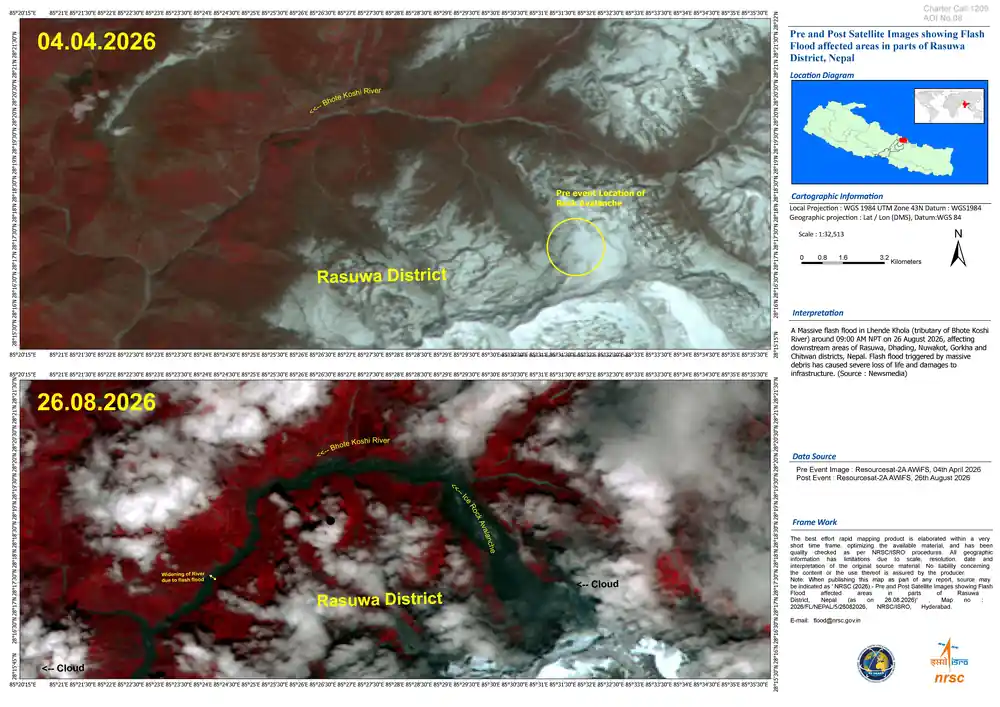
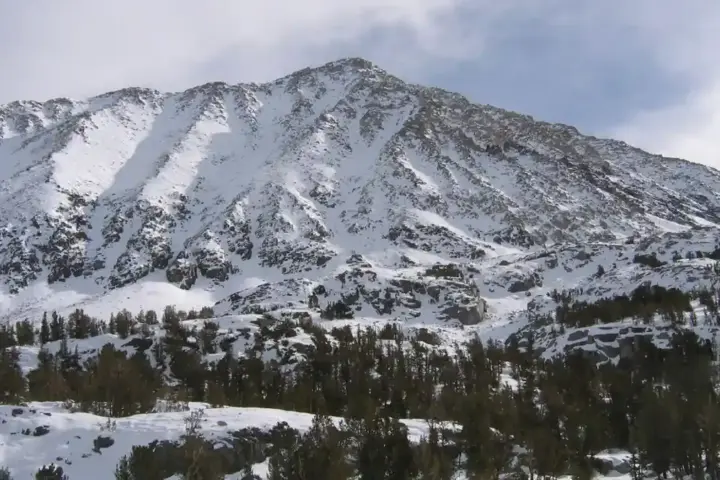
A massive flood triggered by heavy rainfall and a landslide in Tibet has devastated Nepal, claiming 489 lives and leaving more than 900 people missing. The Bhotekoshi River, which overflowed after a lake formed by landslide debris sent water rushing downstream, tore through communities and work sites across the region. The International Centre for Integrated Mountain Development (ICIMOD) has been investigating the disaster’s causes.
Among those unaccounted for are 537 foreign nationals, including 178 Indian citizens, 65 Americans, 53 Ukrainians, 51 Malaysians, and citizens from Australia and the United Kingdom. The scale of the international tragedy highlights how quickly mountain disasters cross national borders in populated areas. This event follows earlier flooding in the region documented in reports about the Nepal-China border disaster.
At the Langtang Hydropower Project in Rasuwa district, 18 workers have been trapped for three days. One worker suffered serious injuries. Nepal’s military attempted a helicopter rescue, but difficult terrain prevented the aircraft from landing. Rescue efforts have deployed 13,000 security personnel and 15 helicopters across the affected region.
Nepal’s army has rescued 900 people so far, including 119 tourists who were in the disaster zone. As the scale of damage became clear, authorities halted rescue operations when reports emerged that water was still overflowing from the dam area. China’s state media reported that water overflowed from the top of the dam structure rather than through a breach, and Nepal’s National Disaster Risk Reduction Management Authority has not confirmed reports of an actual dam failure.
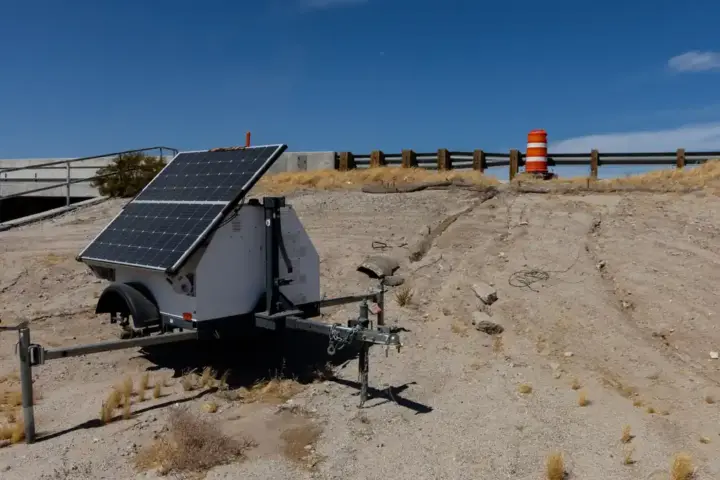
Police have warned rescue workers and the general public to remain cautious as conditions remain unstable. Authorities have begun installing surveillance cameras to monitor water levels. As water releases were controlled and overflow stopped, rescue operations resumed.
For families like the 29 members from Kolar in Bhopal, the uncertainty is agonizing. Their last contact came Wednesday at 9:30 AM. A follow-up call was chilling: “We won’t survive. Please care for our children.” Since then, there has been no communication with any family member.
The situation represents one of the largest international rescue operations in recent years, with responders from multiple countries working in extremely difficult mountain terrain. The combination of heavy rainfall, landslide impacts, dam operations, and populated work sites has created a humanitarian crisis requiring sustained coordination.