 Karmactive Staff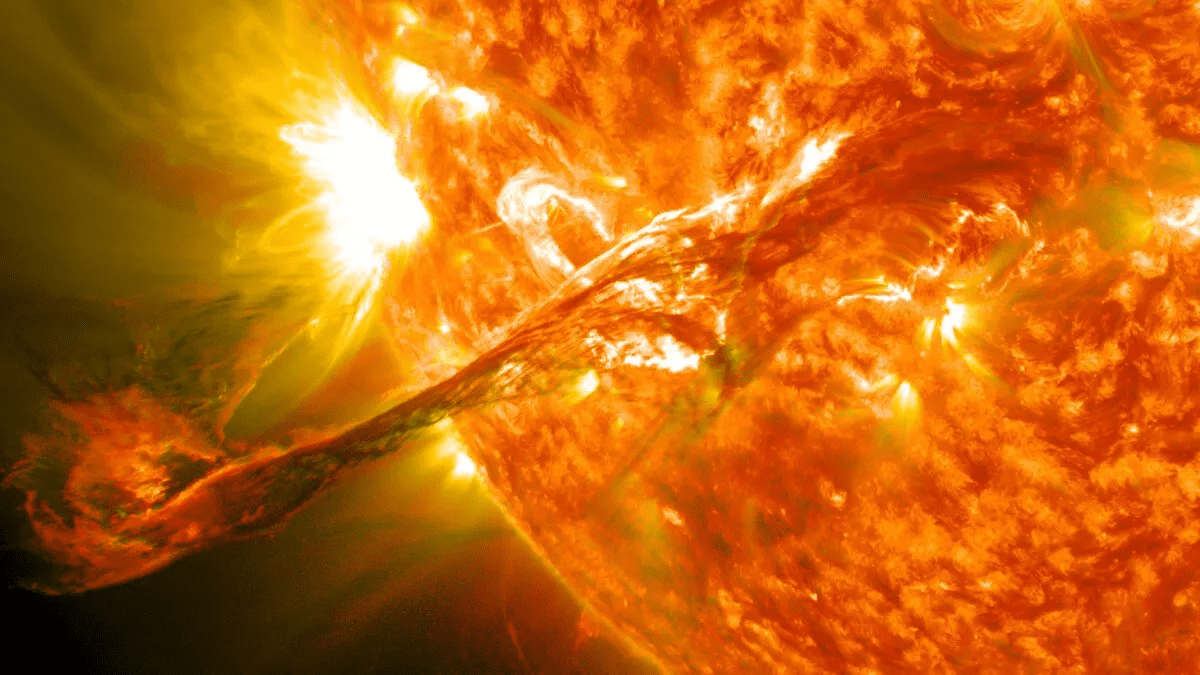
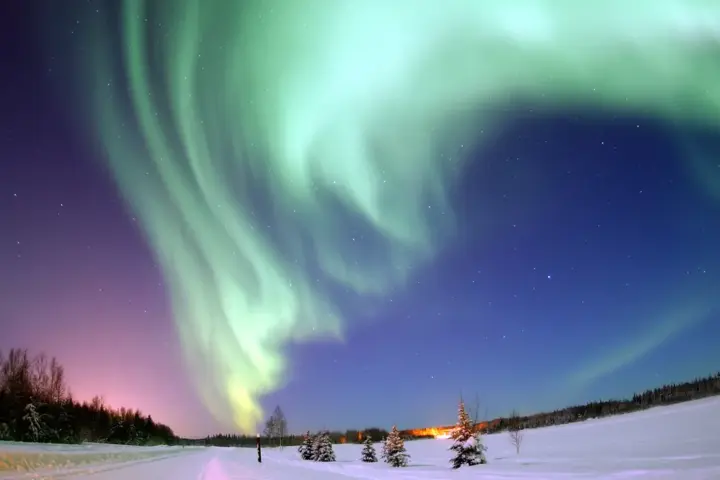
The northern lights might put on a show for northern U.S. residents over the next two nights. NOAA issued a G2 geomagnetic storm watch for August 28–29, based on solar activity that could make auroras visible much farther south than usual.
Here’s what NOAA reported: Coronal mass ejections departed the Sun on August 25 and contributed to expected geomagnetic activity. NOAA’s Space Weather Prediction Center issued a G1 minor geomagnetic storm watch for August 27 and a G2 moderate geomagnetic storm watch for August 28–29.
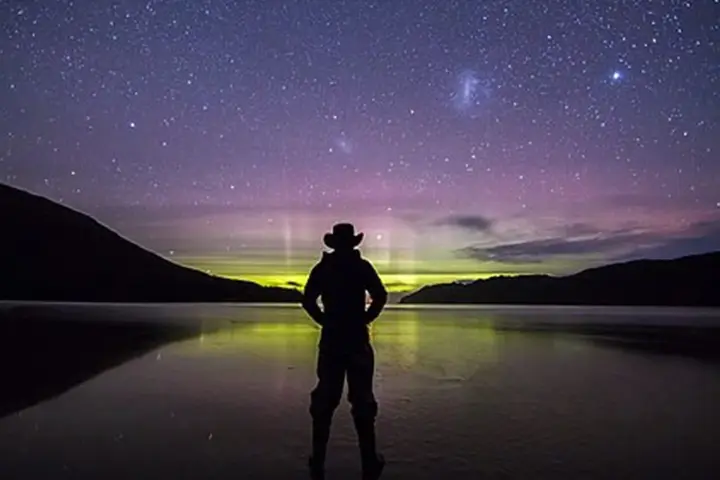
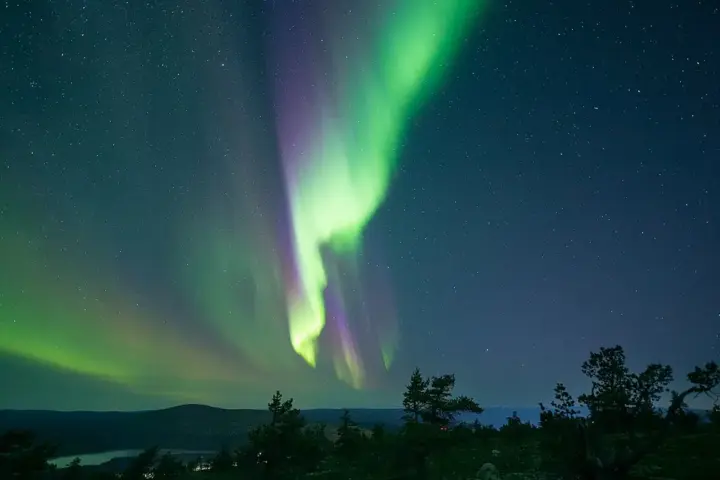
NOAA measures geomagnetic activity on a scale that ranges from G1 (minor) to G5 (extreme). The current forecast calls for G1 conditions on August 27 and G2 conditions on August 28–29. When geomagnetic activity reaches G2 levels, the auroral oval—the ring of aurora activity around Earth’s magnetic poles—expands equatorward. That’s the technical way of saying the aurora moves farther south. Normally, aurora borealis is visible only in far northern latitudes—Alaska, northern Canada, Scandinavia. During G2 conditions, aurora can potentially be visible from northern U.S. locations.
Can you see it? That depends on several factors that have nothing to do with the forecast. You need clear skies—no clouds. You need darkness, which means getting away from city lights if possible. You need to look north toward the horizon. Even then, what’s visible varies. A weak glow might be the only sign. A strong display shows colors—green, sometimes red or purple. A camera with a long exposure can capture faint displays that the naked eye barely detects.
NOAA’s forecast is precise about timing. G1 conditions on August 27, G2 conditions on August 28–29. But what “G2 conditions” means for your neighborhood depends on your location, actual atmospheric conditions, and timing. The agency explicitly warns that individual forecasts for specific towns don’t work. The forecast is regional.
Think of it this way: if NOAA said there’s a good chance of rain tomorrow, would you be certain it rains on your street? Geomagnetic forecasts work similarly. The event is real. The timing is reasonably accurate. But personal observability is less certain.
If you’re in the northern tier and skies are clear tonight or tomorrow, look north. You might see nothing. You might see the show of a lifetime. The conditions are favorable enough to try.