If the barrier to exercise is time, the research on consistent resistance training for adults over 40 should be more widely understood. Short, regular resistance workouts do something that infrequent long sessions don’t: they keep the nervous system’s connection to your muscles consistently activated — and that consistency is what the evidence supports for preventing age-related muscle loss.
Adults over 40 lose 3 to 8 percent of muscle mass per decade without regular resistance exercise — a condition called sarcopenia that typically begins between age 30 and 40. A 2026 meta-analysis examining 13 randomized controlled trials involving 546 participants found that resistance exercise produced meaningful improvements in grip strength, gait speed, appendicular skeletal muscle mass, and sit-to-stand performance in older adults with sarcopenia. The analysis found that training frequency of around three sessions per week and shorter intervention cycles showed strong effect sizes.
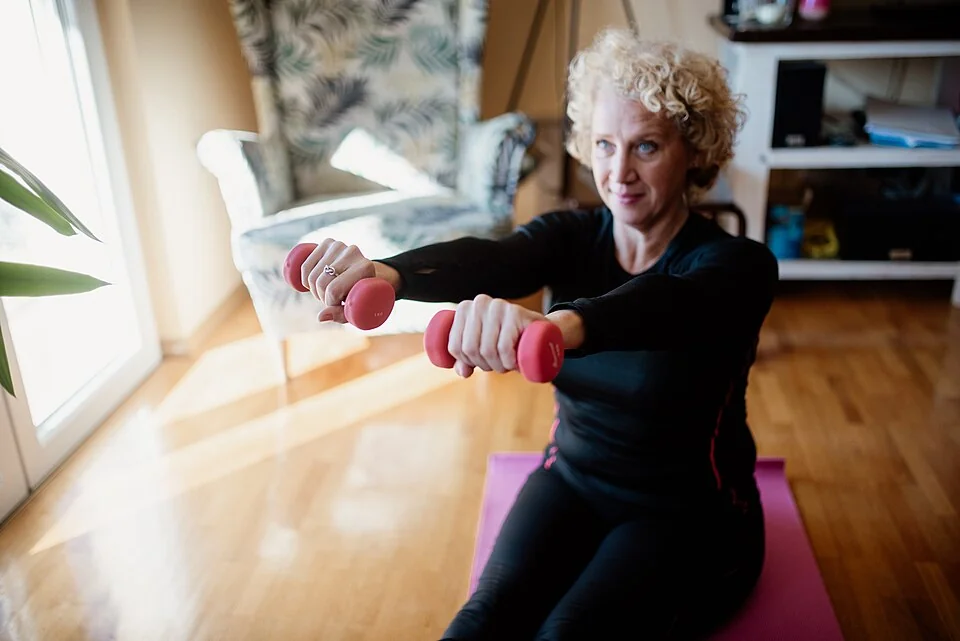
Adults approaching middle age don’t need hour-long gym sessions to protect functional mobility. Research supports regular resistance exercise — ideally two to three sessions per week — using compound multi-joint movements like squats, push-ups, and hip hinges, which engage multiple muscle groups simultaneously. Consistency matters more than session length: regular resistance training stimulates muscle protein synthesis far more effectively than infrequent sporadic workouts.
What You’re Actually Preserving
The most clinically meaningful benefit of regular short resistance sessions for adults over 50 is neuromuscular preservation — not muscle growth. Consistent mechanical tension maintains the neurological firing rate between motor neurons and muscle fibers, a connection that begins deteriorating with age before visible muscle shrinkage occurs. A 2026 study confirmed that strength training influences neural and motor-unit adaptations in aging adults.
Fast-twitch muscle fibers — responsible for explosive movements, balance corrections, and fall prevention — atrophy faster with age and respond best to high-effort contractions that genuinely challenge them. Compound movements generate the most widespread neuromuscular activation efficiently: squats, push-ups (wall or floor), Romanian deadlifts with a resistance band, and hip bridges.
Making Your Sessions Count
Protein intake is the other half of the equation. Muscle protein synthesis triggered by exercise requires adequate dietary protein to produce actual tissue adaptation. Current clinical guidance for older adults generally recommends approximately 1.2 to 1.6 grams of protein per kilogram of body weight daily to support muscle health — a target many adults over 50 fall short of without deliberate effort.
Progressive resistance — gradually increasing load, repetitions, or range of motion over time — is what separates maintenance from functional improvement. Resistance bands provide a practical entry point for progressive overload for adults managing sarcopenia prevention at home. A practical home resistance exercise guide for adults over 40 covers the progression structure in more detail.
\
\ .karmactive-push-footer { max-width: 720px; margin: 32px auto 0; padding: 22px 24px; border-radius: 14px; background: \#f0f4f8; border: 1px solid \#d8e4ea; text-align: center; font-family: \-apple-system, BlinkMacSystemFont, “Segoe UI”, Roboto, sans-serif; } .karmactive-push-footer h4 { margin: 0 0 6px; font-size: 1.15rem; color: \#102a43; } .karmactive-push-footer p { margin: 0 0 16px; font-size: 0.92rem; color: \#4a5568; line-height: 1.5; } .karmactive-push-actions { display: flex; gap: 10px; justify-content: center; flex-wrap: wrap; } .karmactive-push-btn { display: inline-flex; align-items: center; gap: 6px; min-height: 44px; padding: 10px 20px; border: 0; border-radius: 999px; font-size: 0.92rem; font-weight: 700; cursor: pointer; text-decoration: none; transition: transform 0.15s ease, box-shadow 0.15s ease; } .karmactive-push-btn:hover { transform: translateY(-2px); } .karmactive-push-btn:active { transform: translateY(0); } .karmactive-push-btn.primary { background: \#63b89c; color: \#082032; box-shadow: 0 6px 16px rgba(99, 184, 156, 0.35); } .karmactive-push-btn.secondary { background: \#fff; color: \#102a43; border: 1.5px solid \#d8e4ea; } .karmactive-push-status { margin-top: 12px; font-size: 0.84rem; color: \#5a6e7e; min-height: 1.2em; } @media (max-width: 600px) { .karmactive-push-footer { margin-left: 0; margin-right: 0; border-radius: 10px; padding: 18px 16px; } .karmactive-push-actions { flex-direction: column; } .karmactive-push-btn { width: 100%; justify-content: center; } } \
\
\
\
\
🔔 Enable push notifications
\
Subscribe by email
\
\
\
\
\
(function () {
var btn \= document.getElementById(‘karmactivePushBtn’);
var status \= document.getElementById(‘karmactivePushStatus’);
if (\!btn) return;
function setStatus(msg) {
if (status) status.textContent \= msg;
}
function fallback() {
setStatus(‘Push notifications are not supported in this browser. Try the email option above.’);
}
btn.addEventListener(‘click’, function () {
try {
/\* OneSignal v16+ deferred SDK \*/
if (window.OneSignalDeferred && Array.isArray(window.OneSignalDeferred)) {
setStatus(‘Opening notification prompt…’);
window.OneSignalDeferred.push(function (OneSignal) {
if (OneSignal && OneSignal.Notifications && typeof OneSignal.Notifications.requestPermission \=== ‘function’) {
OneSignal.Notifications.requestPermission()
.then(function () {
setStatus(‘You will receive push notifications when new articles are published.’);
})
.catch(fallback);
} else {
fallback();
}
});
return;
}
/\* OneSignal direct object \*/
if (window.OneSignal && OneSignal.Notifications && typeof OneSignal.Notifications.requestPermission \=== ‘function’) {
OneSignal.Notifications.requestPermission()
.then(function () {
setStatus(‘You will receive push notifications when new articles are published.’);
})
.catch(fallback);
return;
}
/\* Older OneSignal SDK \*/
if (window.OneSignal && typeof OneSignal.push \=== ‘function’) {
setStatus(‘Opening notification prompt…’);
OneSignal.push(function () {
if (typeof OneSignal.showSlidedownPrompt \=== ‘function’) {
OneSignal.showSlidedownPrompt();
} else {
fallback();
}
});
return;
}
fallback();
} catch (e) {
fallback();
}
});
})();
\



Latest from Health
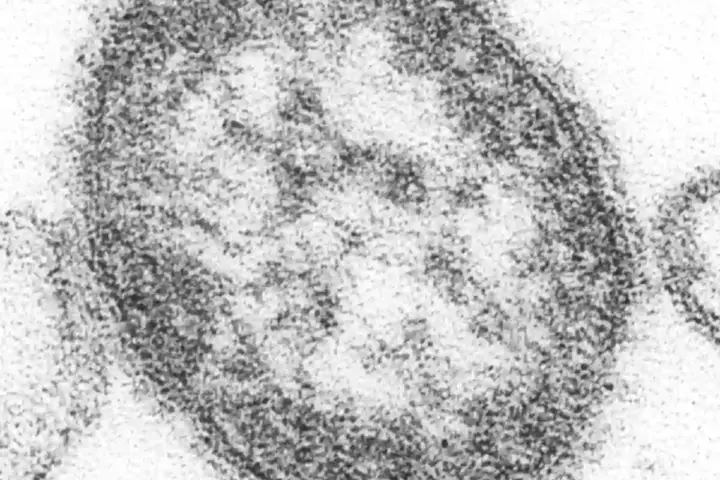
Pennsylvania Measles Outbreak: What Families Should Do

Niamh O’Brien’s death at 52 raises questions about lung-transplant waiting lists and warning signs

Bangladesh measles outbreak: why vaccination gaps are putting children at risk

Seven-day water fast study: major protein changes became evident after day three

COVID cases rise in the UK as XFG spreads: who faces higher risk and when to seek help

NHS mental health wards use AI sensors overnight: what Oxevision records and what patients can ask

Early-onset cancer rose 79% since 1990—what younger adults should know
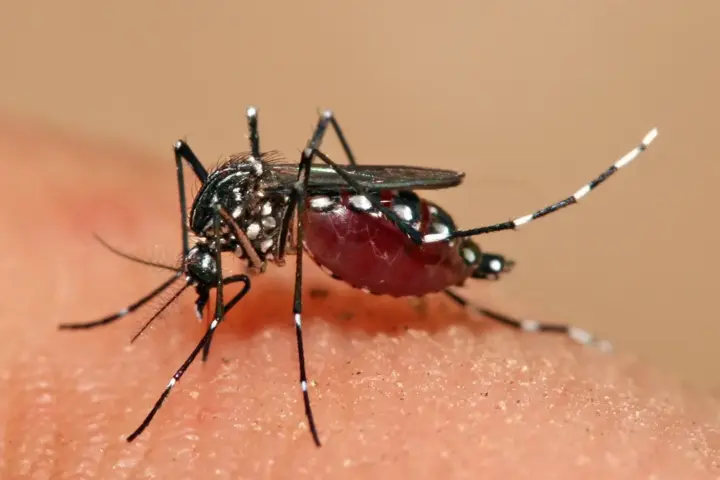
Broward dengue case: what Florida residents should know about local mosquito transmission

2026 Nobel Prize Honors Optogenetics: How Light Can Control Brain Cells
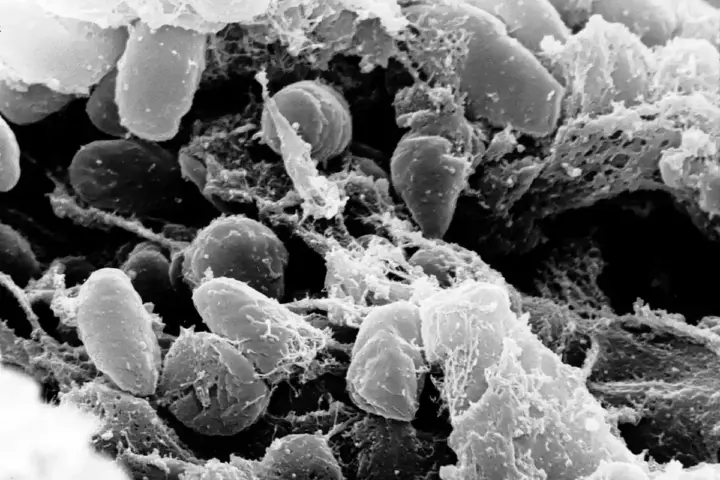
Russian Plague Lab Death Remains Unconfirmed as U.S. Says It Is Willing to Help

Four Daily Habits Slow Muscle Loss as You Age; Progressive Resistance is Key
Healthy Festival Foods: Avoid Deep-Fried Durga Ashtami Offerings

Nathan Charles, Rugby’s Only Known Elite Player With Cystic Fibrosis, Diagnosed With MND at 37

Sustainable Rangoli: Natural Colors for Dussehra Celebrations