 Tejal Somvanshi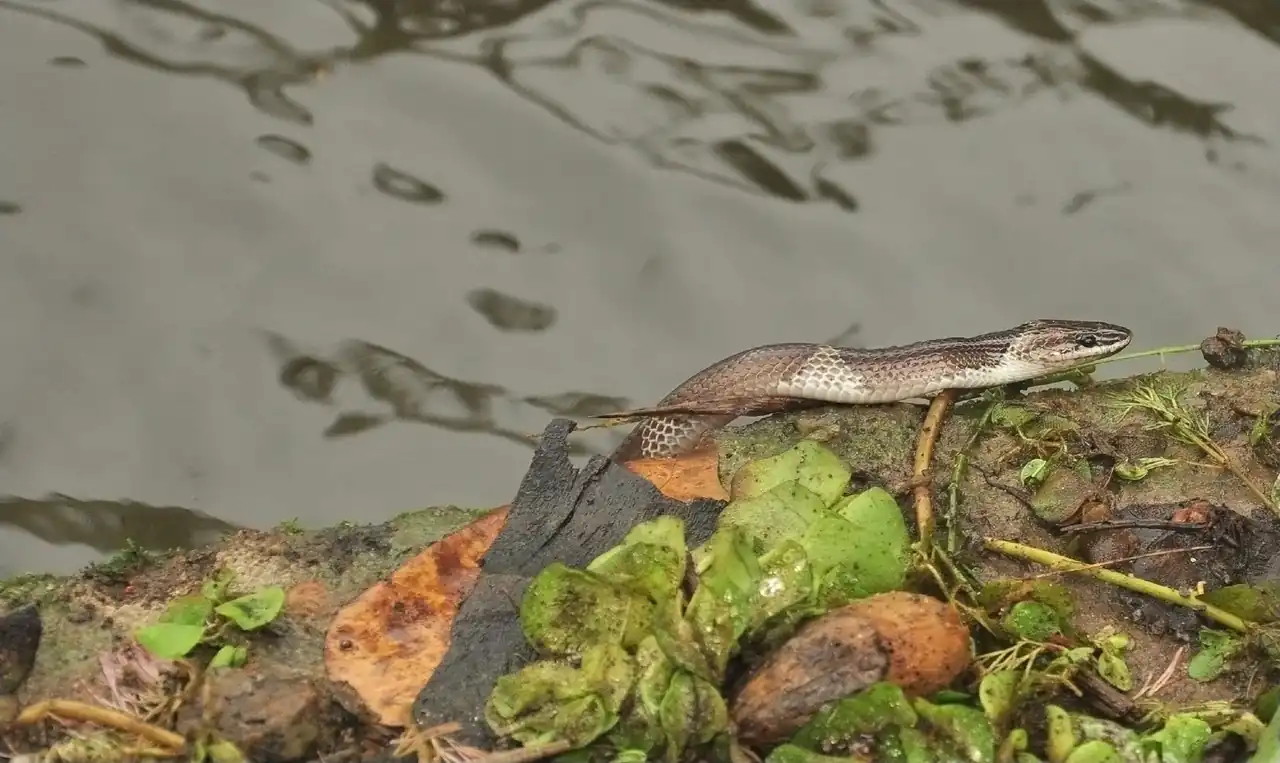
In late August, in Bassian village near Jagraon in Ludhiana district, Punjab, an eight-year-old boy and his six-year-old sister were bitten while sleeping in the courtyard of their home. Both died. The sister went first. The brother died roughly 18 hours later. They were cremated together.
Their mother was working in Oman at the time. She could not return immediately because of the international employment contract and travel arrangements involved.
It started around 3 AM. The boy woke his grandmother to show a bite on his hand. In that setting, at that hour, it looked like an insect bite. By the time the family realized the situation was serious, both children were struggling to breathe. They were taken to the Raikot Civil Hospital and then referred to a larger hospital in Ludhiana. Neither child survived.
This kind of story follows a pattern that doctors who treat snakebite in rural India know too well. A bite at night while sleeping on the ground or outdoors, initially dismissed, deteriorating fast — these are the markers associated with the Common Krait, one of India’s four most dangerous snake species. The snake species in the Ludhiana case has not been formally confirmed by medical or police authorities, so it should not be stated as fact. But the characteristics of what happened match a documented pattern precisely.
Krait bites are often nearly painless. The fang marks are tiny. There is usually no swelling around the bite, which is why families mistake them for insect bites. The venom is neurotoxic — it attacks the nervous system instead of causing dramatic local damage. The first visible signs are drooping eyelids, then difficulty swallowing, then shallow breathing. By the time breathing is affected, the effective treatment window is narrowing fast.
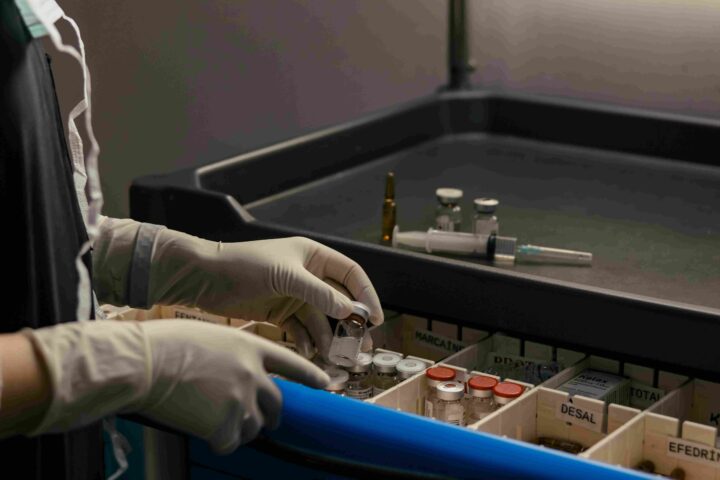
The only treatment that works is Polyvalent Anti-Snake Venom, known as ASV, at a hospital that also has ventilation support available. Getting there fast is the entire strategy.
If someone is bitten: keep the person calm and still. Immobilize the bitten limb using a piece of cloth or a simple splint — the goal is to slow how quickly venom moves through the lymphatic system. Remove any jewelry, bangles, or tight clothing near the bite before swelling has a chance to develop. Then get to a hospital immediately.
What not to do: Do not apply a tight tourniquet. Do not cut the wound or try to suck out venom. Do not use herbal pastes or ointments. Do not go to a traditional healer before going to a hospital. That last point matters most in rural settings, where the delay this creates is the difference between treatment working and not working.
The children’s story — days before Raksha Bandhan, their mother overseas, two young lives lost within hours of each other — is painful enough without elaboration. The more useful thing to carry away from it is knowing what to do.