 Sonali Tiwary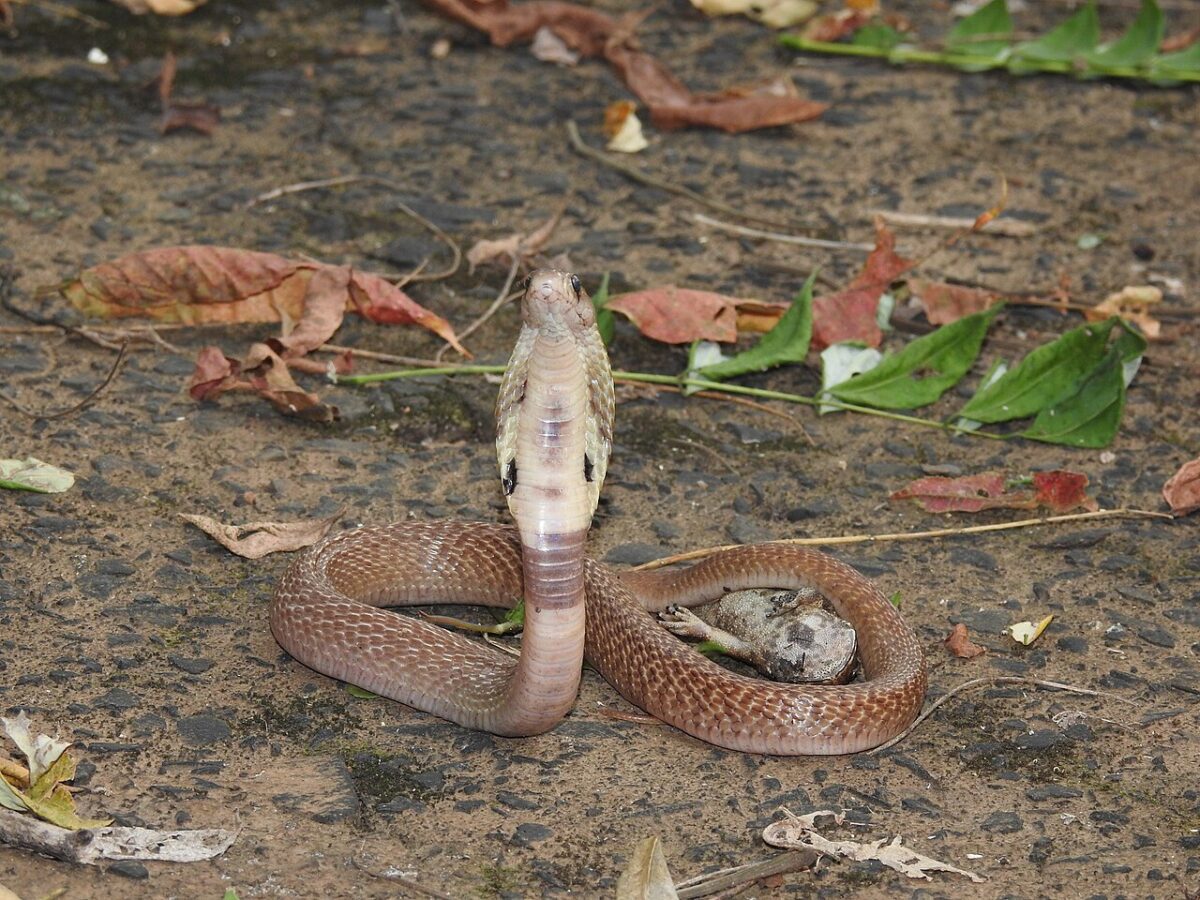
A 6-year-old boy died and his 4-year-old sister fights for life on a hospital ventilator in Jhansi after a venomous snake bit them while they slept. What makes this tragedy sharper is that their family had killed another snake just three days earlier—in the same room where these children lay sleeping.
The siblings were bitten during the night in their Jhansi home in Uttar Pradesh in early August 2026. By the time they reached the hospital, precious hours had already slipped away. Doctors emphasize that antivenom should be administered as early as clinically indicated, with delays significantly worsening survival chances.
Similar heartbreak echoes across India’s monsoon regions. In Kurukshetra, Haryana, two siblings aged 11 and 8 died from snakebites in August 2026. Their family initially suspected food poisoning because all family members had eaten the same meal, yet only the siblings got sick. Police later found a black cobra in their house. The mistake cost two young lives.
In Odisha’s Nabarangpur district, a 9-month-old infant and his 11-year-old sister died after their parents made a heartbreaking choice. Instead of rushing to the hospital, they took the children to a local healer called a “gunia” who performs rituals to extract venom. After spending crucial time with the traditional healer, parents realized it wasn’t working and finally reached the hospital at 4 AM. Both children were already dead.
The medical reality is brutal. Snake venom works fast. It stops blood from clotting properly. It paralyzes muscles, including those needed for breathing. Antivenom, when given quickly, can reverse some of this damage. But delay by even hours reduces survival chances significantly.
Why does this keep happening in India? Snakebite envenoming reports thousands of cases annually in high-risk states, with regional mortality rates documented among those who delay hospital access facing dramatically higher mortality. Superstition, distance to medical facilities, and lack of awareness create a deadly combination.
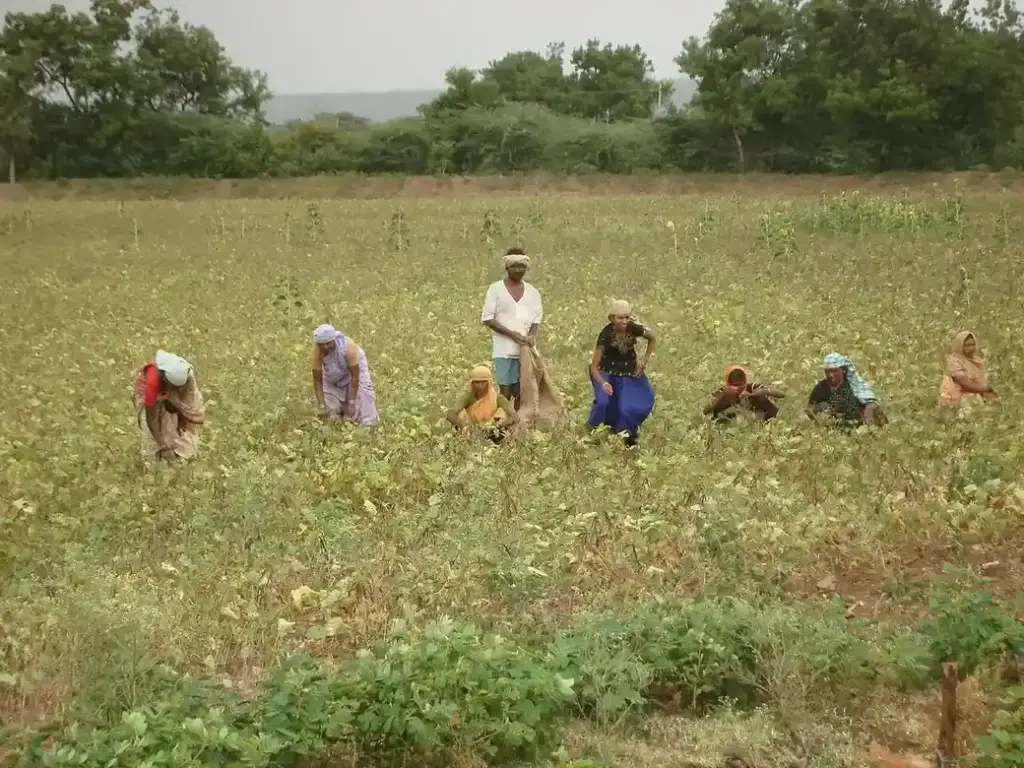
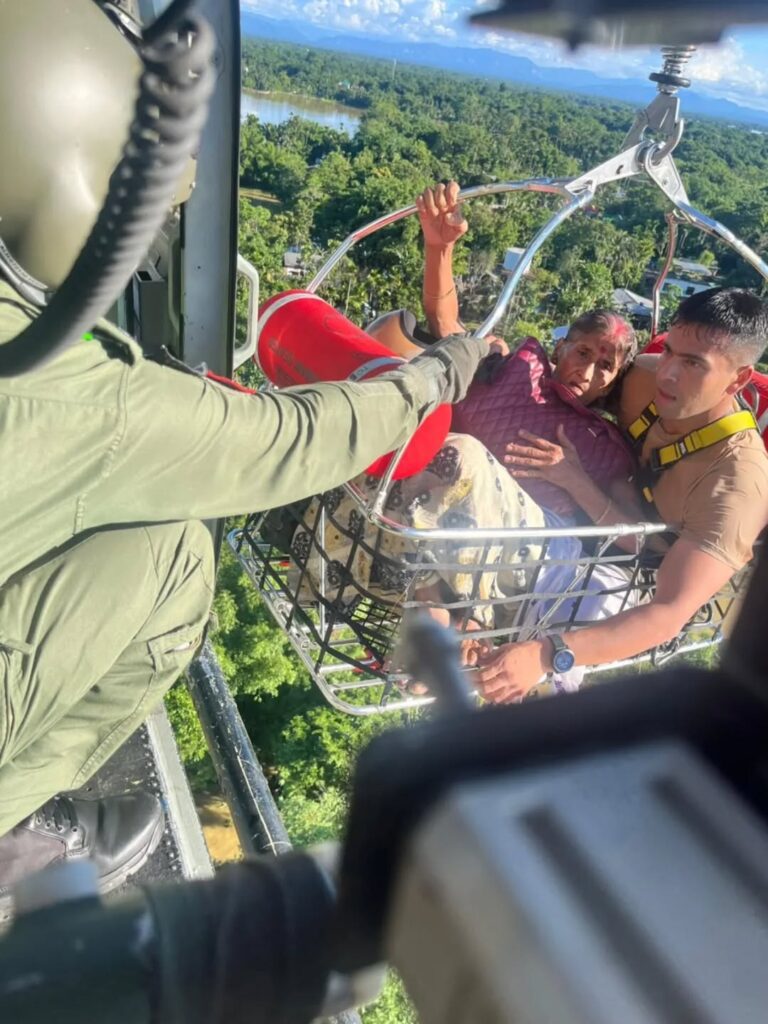
Monsoon seasons make this worse. Heavy rains flood snake habitats, forcing them into human spaces. Villages near fields and forests experience more encounters. Rural areas lack helicopter ambulances or quick transport options. A snake bite in a remote village might mean a 2-3 hour journey to the nearest hospital—far beyond the critical window for effective treatment.
Medical professionals and public health officials have launched awareness campaigns urging families to skip the healers and head straight to hospitals. Every minute counts. A farmer bitten in a field needs immediate transport, not prayers. A child bitten at home needs antivenom, not rituals.
The tragedy in Jhansi raises hard questions. How many more children will die because families trust tradition over medicine? How many rural hospitals lack adequate antivenom stocks? Why aren’t helicopter ambulances available in snake-prone regions during monsoon season?
These aren’t new questions. They’ve been asked after every snakebite tragedy for decades. Yet the deaths continue. The Jhansi boy will never grow up. His sister faces a long recovery if she survives. Their family faces questions they can never answer.
For monsoon season in rural India, snakebites remain a serious risk. Awareness, quick hospital access, and adequate antivenom stocks could save lives. But these solutions require investment, planning, and political will—things that move slower than a snake through tall grass.
—