 Sonali Tiwary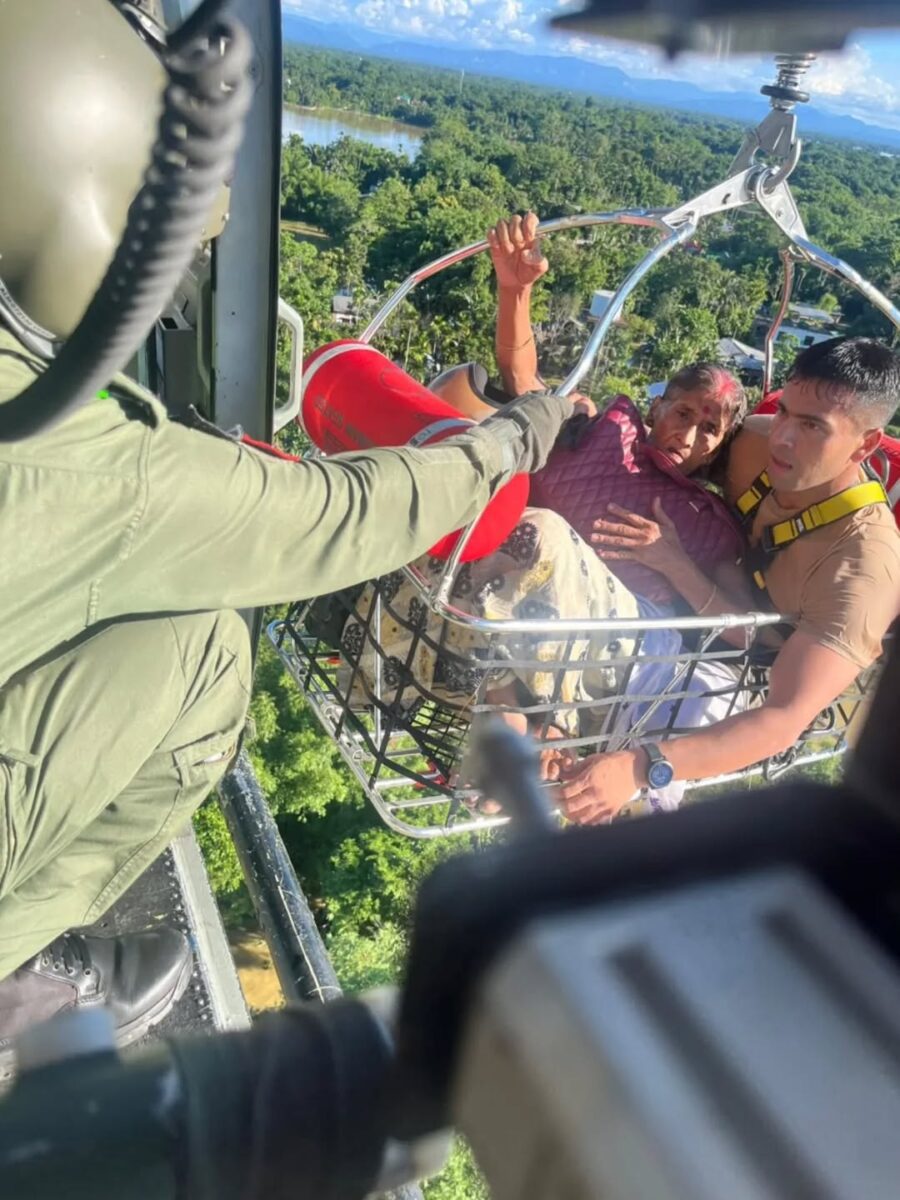
Kerala’s weather alert system faced a critical test in August 2026 when eight districts received red alert warnings within hours of each other. The state recorded 205.8 millimeters of rain between August 1-4, nearly three times the normal 73.2 millimeters for that period. By August 5, authorities downgraded the alerts. By August 6, they were upgrading again. The confusion highlights a fundamental problem—who actually decides when a region faces extreme danger, and how quickly can they communicate it?
The India Meteorological Department issued the official red alert on August 4, covering Pathanamthitta, Kottayam, Idukki, Ernakulam, Kozhikode, Wayanad, Kannur, and Kasaragod. A red alert means the IMD expects more than 204 millimeters of rain in 24 hours, with high probability of landslides in hilly areas and flash floods in low-lying regions. This is the highest warning level, used rarely and only when conditions are genuinely severe.
What happened on the ground was equally severe. Twenty-five people died across the state. More than 18,000 individuals were moved to 400 relief camps. Landslides buried homes. Rivers overflowed their banks. The rain came exactly as predicted—relentless, heavy, and dangerous.
Yet the alert dance continued. Orange alerts replaced red alerts in nine districts. Yellow alerts covered five more. Each alert level carries different implications. Orange means approximately 11.5 to 20 centimeters of rain with significant flooding risk. Yellow signals 6.5 to 11.5 centimeters with moderate risk. For a state drowning in water, these distinctions matter less than the speed of response.
The real problem lies deeper. While the Kerala State Disaster Management Authority issues forecasts, other agencies monitor river levels and dam releases. The Central Water Commission watches major rivers like Periyar, Chalakudy, and Kabini. The Kerala State Disaster Management Authority coordinates rescue operations. The Kerala Flood Watch provides real-time updates. When these agencies operate independently, families struggle to understand which warning matters most and which action to take first.
Communication delays make things worse. A farmer needs to know if his river will flood tomorrow. A village needs to know if evacuation is necessary today. A family sheltering in a community center needs to know when it’s safe to return home. These answers require rapid coordination between weather forecasters, water resource managers, and disaster managers. When each operates on different schedules and systems, confusion spreads faster than floodwater.
The IMD forecast extended heavy rains through August 10, 2026. This meant Kerala remained in crisis mode for over a week. Schools closed. Transportation disrupted. Farmers watched helplessly as waters destroyed crops. Hospital patients couldn’t get supplies. Rescue operations struggled against constant fresh downpours.
This isn’t unique to August 2026. Kerala faced devastating floods in August 2018 that killed over 400 people in what locals called the worst flooding in 100 years. Just last year, monsoon flooding claimed over 120 lives. The pattern repeats because the system, while improving, still has gaps.
The forecast updates came twice daily, but timing remained unpredictable. Some districts got 6-hour advance notice. Others got 12-hour warnings. This variation meant families couldn’t plan consistently. Evacuation routes got congested when multiple districts mobilized simultaneously. Relief supplies got stretched thin across too many camps.
What needs to happen? Alerts should integrate with evacuation plans before they’re issued. Dam managers should coordinate releases with weather forecasters in real time. Village leaders should receive alerts through multiple channels simultaneously. Media should stop discussing alert colors and start discussing specific actions—”everyone below the 500-meter mark must evacuate by 2 PM” instead of abstract orange or red terminology.
Until the system synchronizes, Kerala will continue facing the same tragedy repeatedly. The rain won’t stop. The rivers can’t be controlled. But the confusion can be eliminated if authorities coordinate properly.
—