Sunita Somvanshi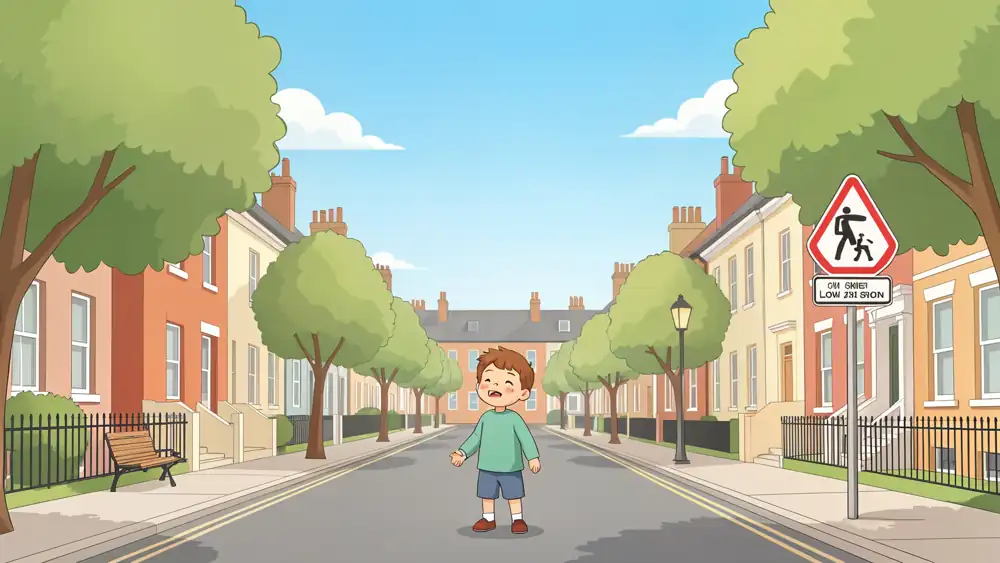
Children’s lungs in London grew bigger and stronger after the city restricted the most polluting vehicles, according to a study published in The Lancet Public Health on 19 August 2026.
The research, known as the CHILL study, followed more than 3,400 children aged six to nine from 84 primary schools in London and the town of Luton between 2018 and 2022. Luton acted as a control site because it has a similar mix of traffic pollutants but no clean-air zone. The team was led by scientists at Queen Mary University of London and Imperial College London and included researchers from the universities of Bedfordshire, Oxford, Cambridge, Edinburgh and Southern California.
Before the Ultra Low Emission Zone (ULEZ) was introduced in 2019, London children had significantly smaller lungs than those in Luton. After the zone came into force, the size and health of the London children’s lungs improved until they were comparable with the Luton group.
The researchers measured lung function using FEV1, the amount of air a child can forcefully exhale in one second. They found that within five years of ULEZ, London children’s exposure to nitrogen dioxide (NO2), a pollutant from exhaust, fell twice as fast and more than twice as much as in Luton. The share of London children with clinically impaired lung function dropped from 14 per cent to 9 per cent, compared with a fall from 9 per cent to 7 per cent in Luton.
The findings build on earlier work showing that air pollution raises lung cancer risk and that even low levels of pollution are harmful. A European Environment Agency report has estimated hundreds of thousands of early deaths a year from poor air quality.
Some independent scientists noted the study shows a strong link rather than proof that ULEZ alone caused the improvement, pointing to other changes such as reduced pollution during the Covid-19 pandemic. The authors said air pollution in London and Luton remains above World Health Organization guideline levels.
The study was funded by the National Institute for Health and Care Research and added to the evidence base on how city clean-air policies affect children’s health.