 Sunita Somvanshi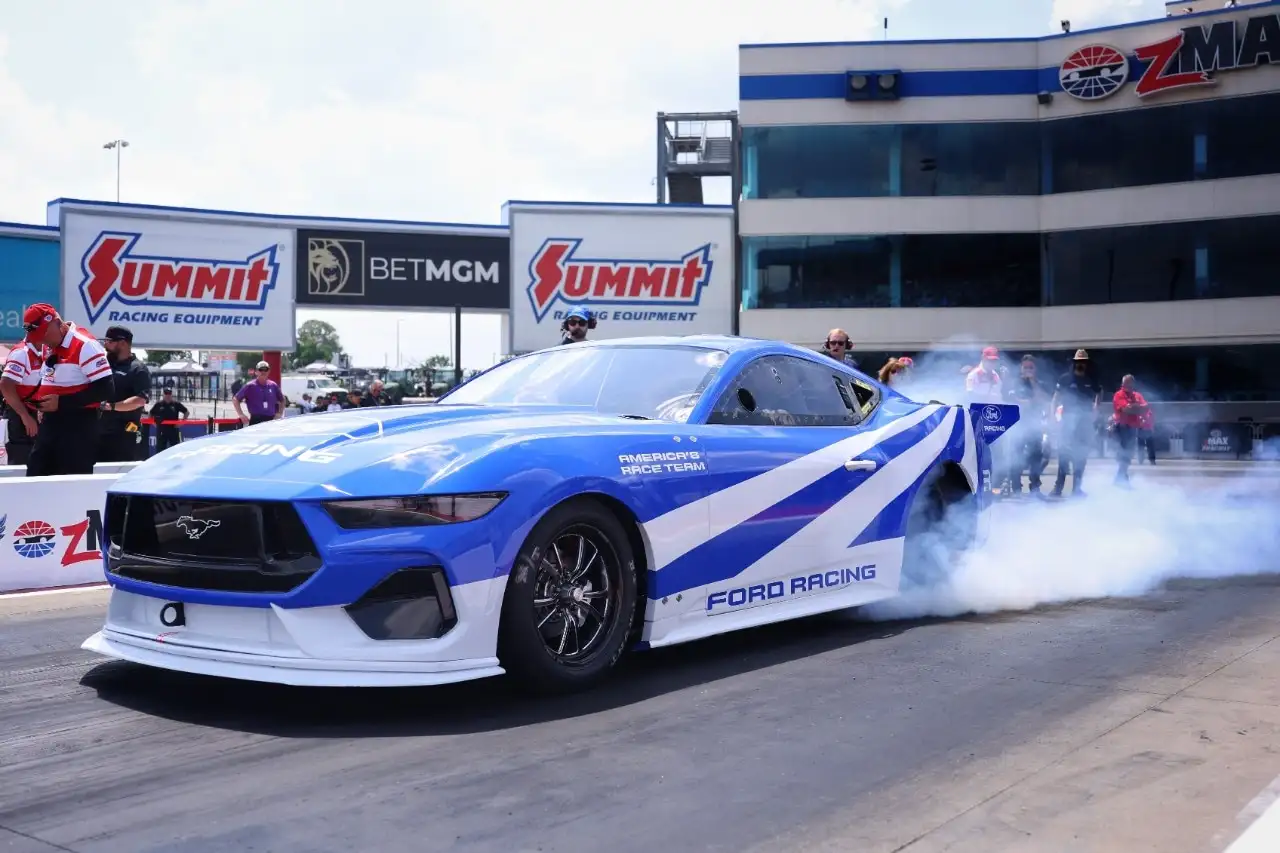
Ford Motor Company achieved the top ranking among mainstream automotive brands in the 2026 J.D. Power U.S. Initial Quality Study, marking a significant milestone in the company’s multi-year quality transformation effort. This achievement represents Ford’s first No. 1 mainstream ranking since 2010, with the company climbing from No. 15 in 2023 to the top position in just three years in the initial quality category.
CEO Jim Farley described the achievement as “a proud day for everyone at Ford, and the result of years of intensive work across our company.” Farley emphasized that many observers questioned whether an American manufacturer with a large American workforce could compete with global quality standards in the initial ownership period.
Ford’s quality improvements in initial ownership stem from systematic operational changes implemented across engineering, manufacturing, and supplier management. The company doubled its safety and technical expert teams, bringing back experienced engineers to mentor younger staff. Failure testing expanded significantly, with enhanced testing protocols for critical systems including powertrains, steering, and braking. Software validation processes were substantially strengthened to address infotainment and electronic system reliability—areas where quality gaps had previously emerged.
The most visible quality improvement came in infotainment systems, which performed 11 points better than the industry average in the J.D. Power study. Powertrain reliability also improved significantly compared to previous years. These improvements reflect Ford’s shift toward addressing root causes of quality problems rather than surface-level issues.
Ford’s quality transformation was catalyzed by expensive lessons learned during the 2023 F-Series Super Duty launch, which cost approximately $1 billion in delayed revenue and remediation expenses. That costly experience prompted sweeping management restructuring. The company replaced approximately two-thirds of senior engineering and plant managers responsible for vehicle launch approval processes.
Ford implemented pre-shipment quality holds that retain thousands of vehicles at assembly plants for rigorous testing before dealer distribution. These holds verify that systems function correctly across full operational ranges before customers receive vehicles. This approach prevents quality issues from reaching customer hands, reducing warranty claims and recall costs.
Farley characterized the J.D. Power achievement as “a first down payment on a much more consequential virtuous circle” for long-term durability and customer satisfaction. However, the company acknowledges important distinctions in quality measurement. Ford management explicitly stated that recalls and long-term durability represent separate measures from initial quality, cautioning against interpreting the initial quality win as evidence that all Ford vehicles demonstrate superior reliability across their entire lifespan.
The company targeted an additional $1 billion in material and warranty cost reductions during 2026, building on the $1.5 billion in reductions delivered in 2025. These financial improvements demonstrate that Ford’s quality investments generate measurable business returns while improving customer satisfaction in the initial ownership period. The initial quality ranking reflects performance during the first months of ownership and does not indicate overall long-term reliability across all vehicle categories or lifespans.