 Tejal Somvanshi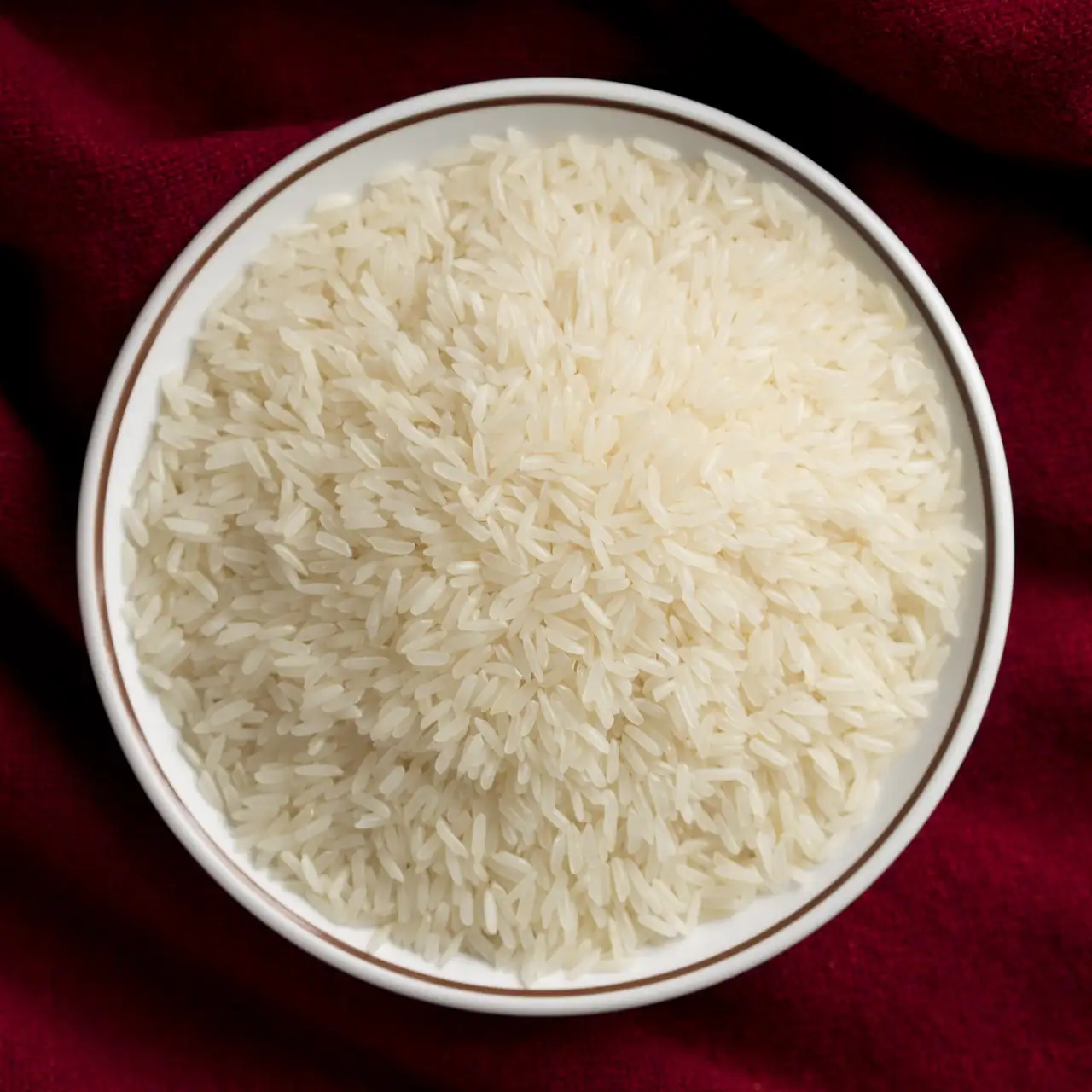
Lundberg Family Farms has expanded its voluntary recall of organic white jasmine rice to include 27,324 packages distributed across 12 U.S. states. The recall, originally identified in April, involves more than 54,000 pounds of rice due to potential contamination with foreign material.
Affected consumers should identify recalled products by specific lot codes and best-by dates. The recall covers Lundberg Family Farms Organic White Jasmine Rice sold in 32-ounce (2-pound) packages with:
– UPC code 073416040281
– Lot code 260201MA with best-by date February 1, 2027
– Lot code 260202MA with best-by date February 2, 2027
The FDA classified this as a Class II recall, indicating the product could cause temporary or medically reversible health effects. The probability of serious adverse health consequences is considered remote, though affected rice should not be consumed.
Distribution covered California, Connecticut, Florida, Illinois, North Carolina, New Hampshire, New York, Pennsylvania, Tennessee, Vermont, Washington, and Wisconsin. The rice was sold through multiple retail chains including Wegmans, Target, Walmart, and Whole Foods.
Consumers in possession of recalled rice matching these specific identifiers should not consume the product. Options include returning the package to the retail location of purchase for a full refund or disposing of it in household trash. Consumers should verify that their rice matches the UPC code, lot number, and best-by date before taking action, as other Lundberg rice products are not affected by this recall.
To prevent similar contamination in stored grains, experts recommend using airtight glass or heavy plastic containers and maintaining cool, dry storage conditions that prevent pest access and moisture accumulation.
Lundberg Family Farms operates a customer support line for consumers with questions about the recall. The company’s recall notification website provides detailed product identification information and refund procedures.
The FDA’s official recall database remains the authoritative source for recall details and updates. Consumers can verify current recall information through product-recall resources rather than relying on retailer notifications alone, as retail systems may lag behind official FDA updates.
This recall demonstrates the importance of checking product lot codes and best-by dates before consuming packaged foods, particularly in categories where foreign material contamination represents a known risk factor.