 Sonali Tiwary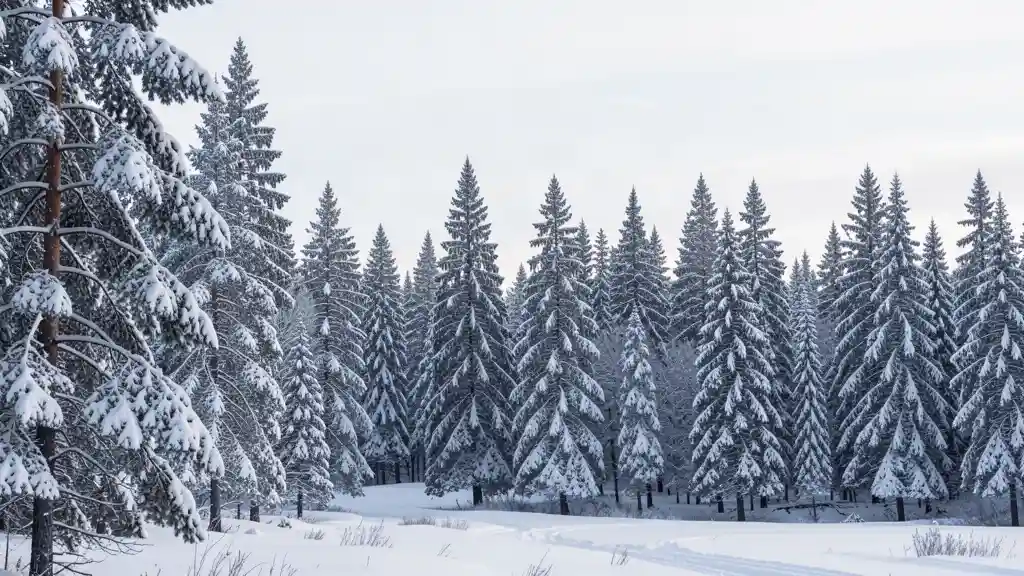
The Old Farmer’s Almanac, continuously published since 1792, is predicting a winter for the books in 2026-27. But predicting winter 235 years into a publication’s run is more science than guesswork.
The forecast breaks down by region. The Northeast is expected to see colder temperatures and above-normal snowfall. The upper Midwest and plains states face frigid conditions. The Southwest will remain mild and drier than normal. Much of the West is forecast to have wetter-than-normal conditions, while portions of the Southwest are forecast to be drier than normal.
So how does a 235-year-old publication predict winter this far out? The Almanac uses solar science, historical weather patterns, and modern meteorology combined into its forecasting methodology. The publication itself claims 80% accuracy in its long-range forecasts. That’s better than many people expect from seasonal predictions, though it’s still short of certainty.
By contrast, the National Oceanic and Atmospheric Administration (NOAA) uses different tools. NOAA’s Climate Prediction Center relies on ocean temperatures, atmospheric patterns, and climate models to produce official U.S. government forecasts. NOAA’s approach shows 90%+ probability of very strong El Niño conditions, which influences global weather patterns.
The important distinction: both forecasters are looking at the same underlying climate patterns—specifically El Niño—but interpret those patterns differently using their own methods. This is where seasonal forecasting gets complicated. Different legitimate approaches can produce different results.
What that means for you: The Almanac’s regional breakdown gives you guidance, but treat it as one data point, not absolute truth. If you live in the Northeast and the forecast calls for heavy snow, it’s sensible to prep for that possibility. If you’re in the Southwest expecting mild conditions, don’t be caught off-guard if an unusual cold snap arrives. Weather forecasting, even for patterns, involves uncertainty.
The Almanac’s methodology combines centuries of observation with modern climate science. This hybrid approach has earned it credibility among millions of readers. But no seasonal forecast, whether from the Almanac or NOAA, guarantees specific outcomes. They’re probabilities, not certainties. That’s the nature of weather prediction at this scale.
For those planning winter projects or property maintenance, these forecasts are worth noting. They’re informed predictions based on rigorous science—just not guarantees.