Rahul Somvanshi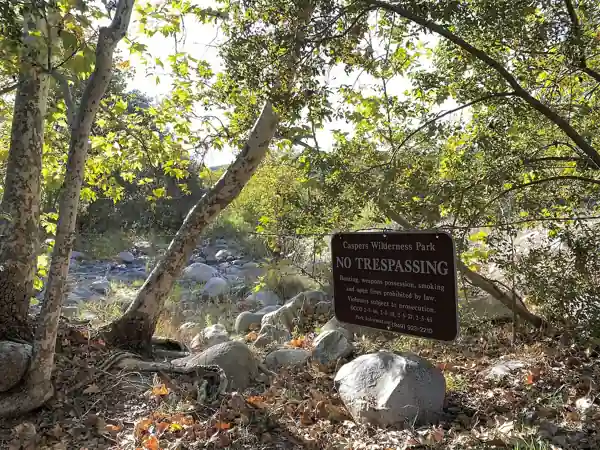
Orange County, California, has paused herbicide spraying in flood-control channels across the county after months of public concern about chemicals being used near creeks and neighbourhoods. The decision followed earlier action to halt spraying in two waterways and a campaign by residents who recorded and shared footage of the work.
County officials said the pause applies across Orange County Flood Control District channels. During it, OC Public Works is to stop spraying and observe invasive-plant growth while it evaluates management options. The county’s announcement does not mean that all vegetation control will end permanently, or that it has adopted a countywide zero-chemical policy.
The issue matters to people who use paths near flood channels and to communities downstream. These channels are part of the region’s flood-management system, but they also connect to local waterways. Residents and environmental advocates raised concerns about herbicide drift, runoff and impacts on habitat.
What the pause changes
The county had used herbicides including glyphosate and triclopyr to manage vegetation in flood-control channels. Officials have said vegetation control is needed to maintain channel capacity and reduce flood risk. Critics have argued that the work should use non-chemical methods where possible.
The official county announcement describes the decision as a pause, not a final ban. That wording is important. It creates time for the county to assess invasive-plant patterns and alternatives, but it does not settle the longer-term policy question.
Claims that a single resident “beat” the county government overstate a wider effort. Residents including Brent Linas helped draw attention to the issue through social media and public organising, while community members, advocates and elected officials also pressed for a change. The county’s decision followed that broader public response.
Has Orange County permanently banned herbicides in flood-control channels? No. The county announced a countywide pause on spraying while staff evaluate conditions and options. A pause can be extended, changed or ended through future policy decisions.
Glyphosate and triclopyr should also be discussed precisely. Their environmental and health effects depend on the product, exposure route, dose and site conditions. It is reasonable to ask for transparent monitoring and safer methods, but calling any use “extremely poisonous” without those details is not a complete account of risk.
The pause gives Orange County a chance to show whether manual, mechanical or other lower-chemical approaches can meet flood-control needs. The next meaningful test will be what evidence the county publishes and what long-term vegetation-management policy follows.