Rahul Somvanshi
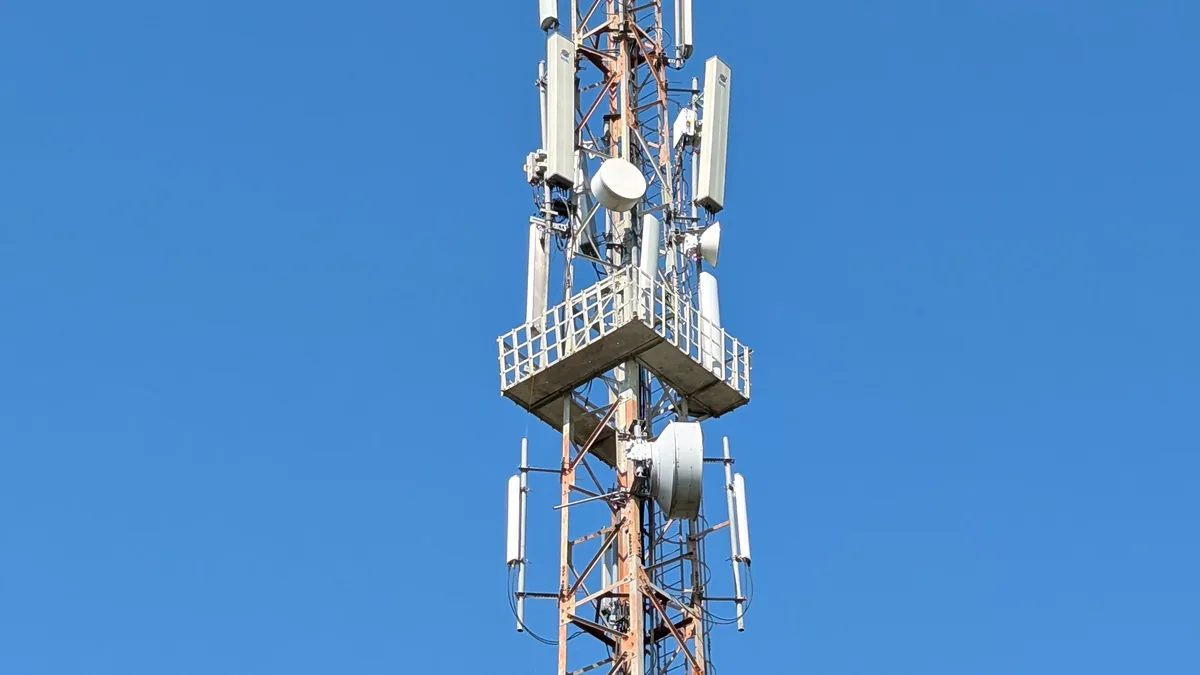
India’s Department of Telecommunications has issued directions requiring messaging apps to keep accounts continuously linked to the active SIM tied to the Indian number on the account. If you use WhatsApp Web on a laptop, run Telegram across multiple devices or travel internationally with your SIM in a different phone, the new directions affect how those accounts remain active.
The Department of Telecommunications (DoT) issued directions requiring covered communication services—named as WhatsApp, Telegram and Signal—to maintain continuous linkage between a user’s account and the SIM associated with the Indian mobile number used to register it. The requirement applies to accounts using Indian numbers and covers ongoing linkage, not only initial registration. Web sessions and multi-device access through covered messaging applications must periodically log out and re-link under the DoT SIM binding rule. A compliance date has been reported as January 1, 2027, though Karmactive has not yet confirmed this date against the underlying DoT order text—that verification is in progress.
For most users who check messages on a laptop while their phone is nearby, the practical effect is limited. The rule creates a more direct impact for people who use their Indian number’s WhatsApp or Telegram account on a tablet or computer as their primary device while keeping the associated SIM elsewhere—stored while travelling, sitting in a second phone or otherwise not reachable. Those users may need the associated SIM accessible for periodic re-linking as the web session requirements take effect.
What Associated-SIM Linkage Actually Means
The DoT direction is not a requirement that a SIM must be in the same device as the messaging app at all times. It is a continuous linkage requirement—the account must remain associated with the SIM tied to the Indian number. This is a meaningful distinction for multi-device users.
WhatsApp Web currently functions without the phone connected once the session is established. Under the new direction, web sessions on an Indian-number account must periodically re-link to the associated SIM. The specific re-linking interval will come from DoT’s implementation guidelines for covered services, an area already flagged in warnings about hidden threats from linked devices and group links.
The WhatsApp active SIM rule addresses a fraud and impersonation gap that Indian telecom authorities have identified. When a messaging account remains active without ongoing association to a verifiable, live SIM, it becomes harder to trace misuse to a registered subscriber. The direction brings messaging apps in line with how Indian telecom regulations around subscriber verification already apply to other services, including the 30-day voice and SMS recharge rules: each active channel should trace back to a real, registered account.
Signal is included in the services named in the DoT release. Users of messaging apps not named in the release should check whether their service falls under the “communication service” definition in the underlying order once it is publicly accessible.
The Telegram SIM binding India requirement covers any Telegram account registered with an Indian number, not only accounts operated from within India. An Indian number used from abroad is covered if the originating SIM is Indian. For Indian users living overseas, the practical question is whether the SIM used to register the account remains reachable for periodic re-linking requirements. Where that SIM has been deactivated, the account’s compliance path depends on DoT’s implementation guidance—a scenario relevant for anyone managing version compatibility, as seen with the recent WhatsApp Android 6 support cutoff.
Can WhatsApp work without the linked Indian SIM? Under DoT’s directions, covered accounts must maintain continuous linkage to the SIM tied to the account’s Indian number. Web sessions must periodically log out and re-link. The service does not cut off immediately if a SIM is temporarily out of range, but the account must remain associated with an active, linked SIM to comply with the requirement.
The compliance date reported for this direction is January 1, 2027, but this requires confirmation from the official DoT order. The underlying order text, once confirmed, will clarify exact re-linking intervals and the specific obligations for accounts where the associated SIM has changed or become inactive. Check back once the primary order text is confirmed.