 Tejal Somvanshi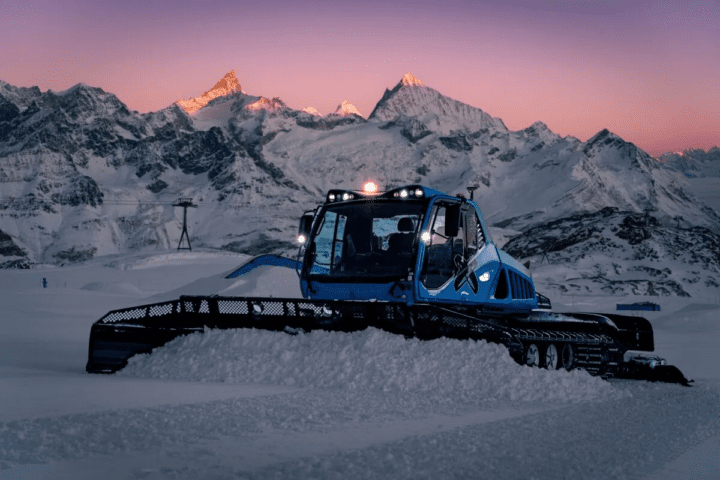
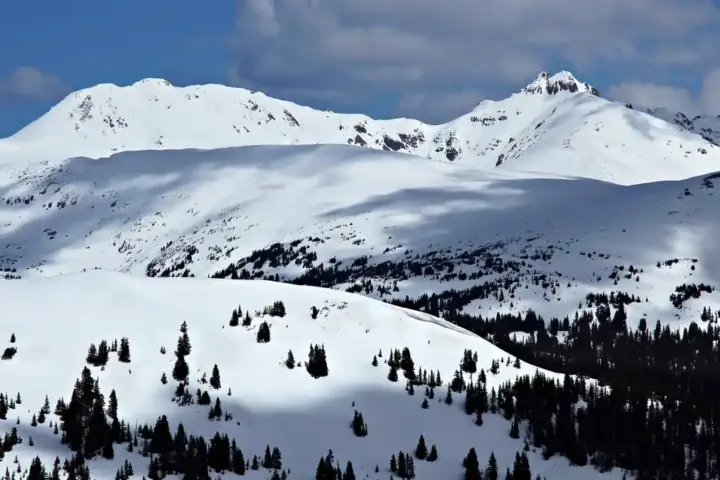
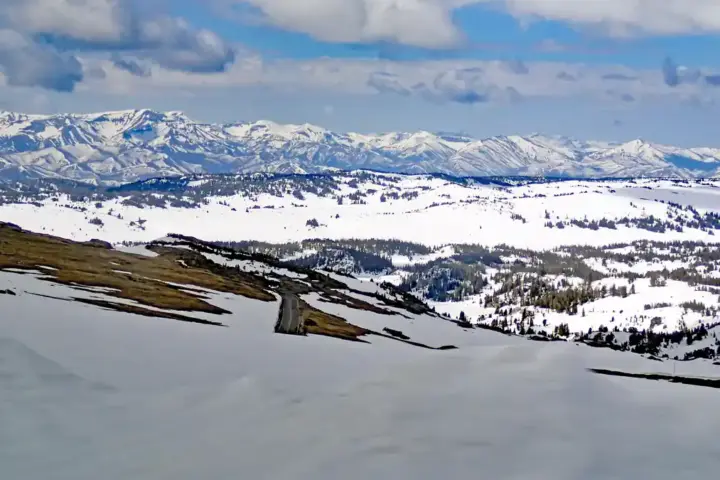
South America’s 2026 ski season shifted dramatically in late July when a powerful atmospheric river system drove extraordinary snowfall across Chile’s Andes resorts. Ski Portillo recorded five metres (roughly 16 feet) of accumulated snow between July 15 and 23, with a peak 72-hour window that alone produced 370 centimetres (more than 12 feet). Valle Nevado and La Parva received similar volumes during the same period, with combined regional totals exceeding 200 inches between July 16 and 24.
The timing mattered. The 2026 southern hemisphere winter had opened poorly—resorts across the region relied on machine-made snow and delayed openings well into July. Ski Portillo closed indefinitely during the height of the storm as avalanche hazard and whiteout conditions made operations impossible. Once the weather system passed, operators reopened to skiing conditions that had been entirely absent weeks earlier. The economic stakes are significant: South American ski resorts drew more than 1,240,000 skiers in the 2025 season, generating roughly $283 million in direct economic impact—including $228 million from international visitors—and sustaining approximately 18,000 jobs across resort and related industries.
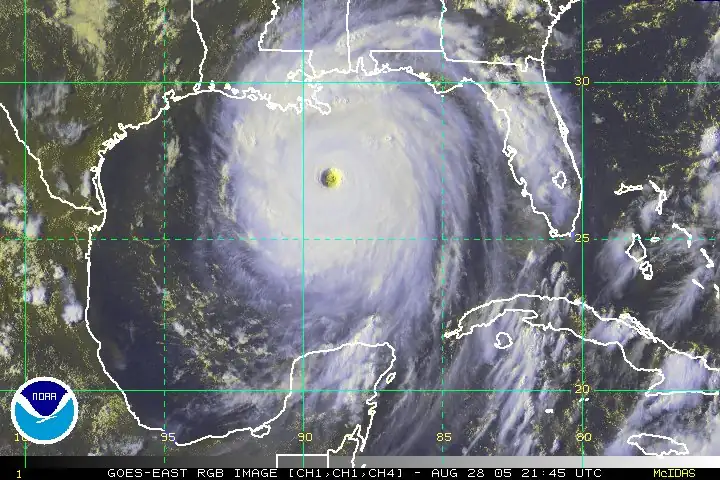
Atmospheric rivers are long, narrow corridors of moisture in the atmosphere that can deliver precipitation equivalent to multiple months of average rainfall in a short period. When they strike the Andes at the right angle, orographic lifting converts that moisture into extreme snowfall at elevation while generating intense rainfall at lower altitudes. Atmospheric rivers account for roughly half of the Andes’ annual snowfall accumulation and produce snowfall about 2.5 times more intense than non-AR events. Karmactive has covered how extreme rainfall events cause cascading harm at multiple elevations, and this storm followed exactly that pattern.
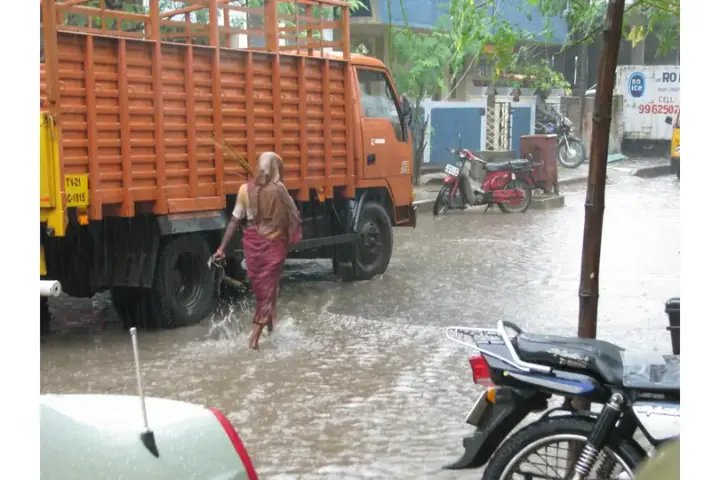
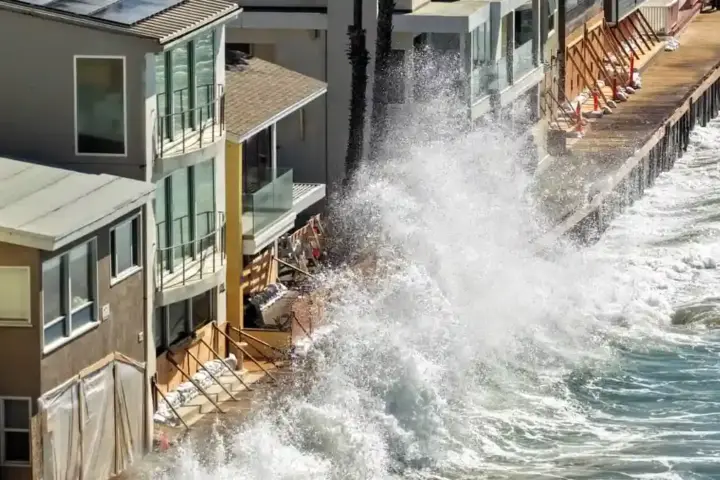
The lower elevation consequences were severe. Flooding and mudslides triggered by the same storm system isolated more than 100,000 residents in affected communities. Thirteen people died and four remain missing as a result of flood damage across broader affected areas. Resorts and rural mountain communities experienced this weather event as two entirely different phenomena: the ski industry received a season-saving gift while neighbouring communities faced a natural disaster. Chile’s emergency response resources were stretched simultaneously across affected zones. The contrast is a reminder that what benefits one land use can devastate another—a pattern Karmactive has examined in weather contexts ranging from urban flooding to regional climate emergencies.
Beyond this single event, the Andean ski industry faces a longer-term structural problem. Snow persistence across central Chile’s mountains is declining at two to five days per year, and the snowline is rising at 10 to 30 metres annually as regional temperatures increase. A strong atmospheric river can paper over those trends for a season, but the underlying trajectory points toward shorter, less reliable winters. Resorts are responding by investing in snowmaking infrastructure and exploring insurance products designed around climate variability. The 2026 event provides a financial lifeline—but it also shows how dependent the industry has become on exceptional weather events to deliver what average winters no longer guarantee.