 Karmactive Staff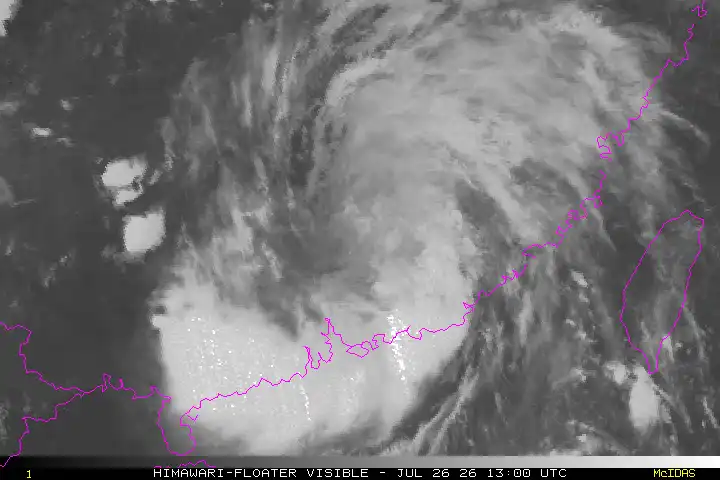
A sudden flash flood struck the Shuangshimen scenic area in Weiyuan County, Dingxi City, Gansu Province on July 26, 2026, killing ten people and injuring 23. Tourists had been camping in the mountain gully when floodwater surged through without warning. The event happened during China’s peak annual flood season, when intense monsoon rainfall frequently converges with complex mountain terrain to produce rapid and deadly inundation.
The response was fast and large-scale. Chinese authorities deployed 305 rescue personnel supported by 68 vehicles. Emergency teams extracted 240 people from flood-affected sections of the gully, including 7 who were pulled alive from vehicles that had been submerged or swept by the flood surge. Central State Flood Control and Drought Relief Headquarters coordinated the operation and activated a Level-IV emergency response for Gansu Province—the lowest tier of China’s four-tier flood emergency system but appropriate for a localised, rapidly contained incident.
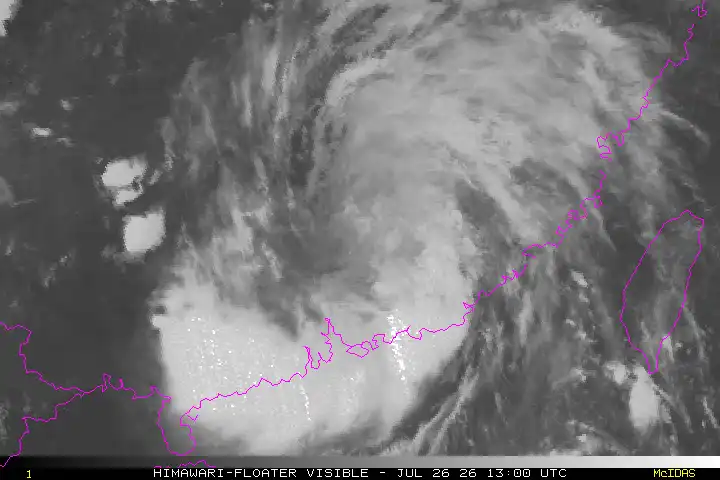
Typhoon Noul’s approach contributed to the conditions that produced the flash flood, driving heavy rainfall across seven provincial regions simultaneously. More severe emergency responses—Level III—were activated for Jiangxi, Hunan, Guangdong, Fujian, Henan, and Hubei as the typhoon continued moving inland. The simultaneous demands on emergency resources across multiple provinces stretched coordination capacity. Karmactive has examined flood mitigation approaches and reported on major flood disasters in other regions; the China event shares a common pattern: mountainous terrain amplifies normal rainfall into catastrophic surges with little warning time.
Gansu Province’s record includes recurring mountain-torrent fatalities. Weeks before this incident, a separate flash flood in Tanchang County—also in Gansu—killed at least 21 people, illustrating how the province’s geography makes it persistently vulnerable during the summer rainy period. The Shuangshimen scenic area is a legitimate and popular tourist destination, but mountain gullies that attract campers are among the highest-risk environments during storm conditions. Weather alerts for Gansu were in effect before Typhoon Noul’s influence intensified, but the exact location and timing of flash surges in rugged terrain remain difficult to forecast even with current meteorological tools.
The incident is prompting a review of safety protocols and early-warning infrastructure at scenic areas and camping zones in flood-prone mountain regions across China. Natural flood buffers and upstream early-detection systems are among the tools authorities are evaluating. Climate research consistently shows that extreme precipitation events in China are intensifying as average temperatures rise, increasing the frequency and severity of flash floods in mountain catchment areas. The Shuangshimen event, occurring against the backdrop of a multi-province typhoon response, underscores how much pressure this trend places on emergency management systems built for a less volatile weather regime.