 Sunita Somvanshi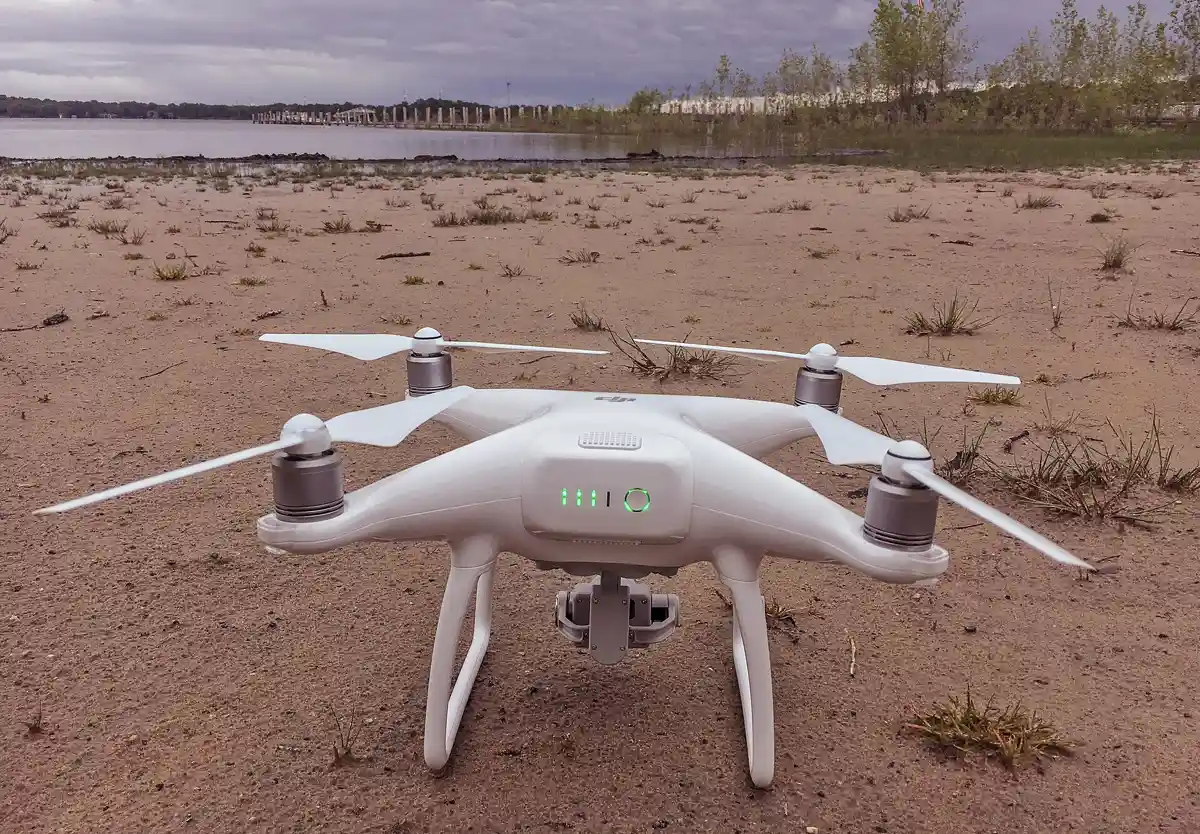
Estimated reading time: 2 minutes
The trade tension between the United States and China just took a sharper turn. China’s government announced new sanctions against American companies and banned exports of certain technology components, marking an aggressive response to US moves on forced labor and drone imports.
Here’s what happened: The Federal Communications Commission banned new drone imports from China, and the Department of Homeland Security added 43 Chinese companies to a forced labor watchlist. These actions targeted companies allegedly involved in labor practices in the Xinjiang region. In response, China’s Ministry of Commerce announced it was sanctioning seven American entities and restricting drone parts and technology exports to the US.
The timing matters more than you might think. These sanctions come just weeks before an anticipated meeting between Chinese leader Xi Jinping and President Trump. Both countries held recent trade talks and diplomatic planning meetings, suggesting this trade friction is part of larger negotiations rather than permanent conflict. Still, the immediate consequence is real: certain American tech and biotech companies face restrictions doing business in China, and the US faces tighter drone component supplies.
For average consumers, this creates a problem. Drones aren’t just toys anymore. Commercial industries rely on them for photography, agriculture, construction, and emergency response. If component supplies tighten, prices go up. Electronics that use Chinese-made parts could also see price increases if companies face new export restrictions.
The forced labor question adds complexity. US officials argue that certain Chinese companies use questionable labor practices, particularly in Xinjiang’s manufacturing sector. China denies these claims, calling them political attacks meant to slow their economic growth. Regardless of the debate, both sides are using trade tools to enforce their positions.
What’s interesting is that neither side seems ready for total economic separation. Chinese officials told media that trade wars don’t help anyone. US officials continue negotiating even while applying sanctions. This suggests both countries want to reach a negotiated settlement rather than enter sustained conflict.
The broader pattern is clear: US-China competition is sharpening across technology, military capability, and labor standards. Each side is using tariffs, export controls, and sanctions as bargaining chips. The question isn’t whether tensions exist—they clearly do. The question is whether these negotiations lead to compromise or deeper conflict.
For consumers watching electronics prices, supply chains, and tech availability, the message is simple: expect some product delays and price increases on drones, certain electronics, and components over the next few months. Companies will adjust by finding alternative suppliers or absorbing costs. But in the short term, the trade friction between these two economic superpowers will likely show up in your shopping cart.
The Xi-Trump summit could change things. If both leaders reach agreement on trade issues, restrictions might ease. If negotiations stall, expect continued tit-for-tat measures. Either way, understanding this trade conflict matters because it shapes what you pay for technology.