 Karmactive Staff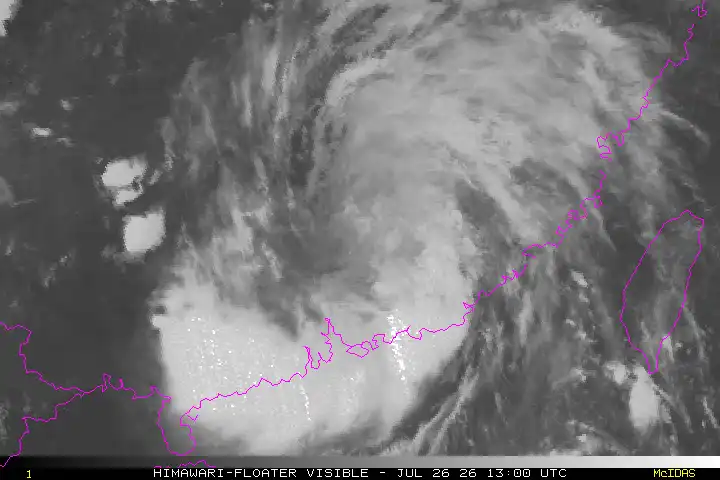
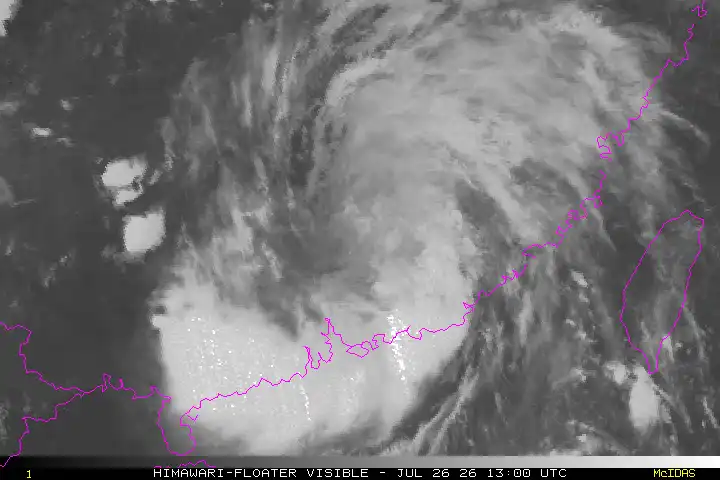
Typhoon Noul made landfall on China’s southern coast on Sunday morning, bringing severe winds and heavy rainfall to Guangdong province. The storm arrived in Huidong county in Huizhou around 3:50 am local time on July 26, 2026, marking the strongest typhoon to hit China in 2026 so far.
Authorities ordered massive evacuations ahead of the typhoon’s arrival. Over 340,000 people were evacuated from Guangdong province by Saturday afternoon, according to state broadcaster CCTV. The scale of the evacuation reflects the serious threat posed by the storm system and demonstrates China’s advanced disaster preparedness protocols.
The typhoon brought maximum sustained winds of 110 kilometers per hour near its center. As it moved inland into Guangdong on Sunday, the storm began to weaken. However, the heavy rainfall and strong winds still posed risks to communities in the affected areas. The combination of high winds and moisture created conditions for both immediate damage and secondary flooding risks. Al Jazeera reported the storm’s trajectory closely as it approached the coastline.
Hong Kong experienced significant disruptions due to the typhoon. The city’s airport cancelled about 350 flights on Sunday. Train services in Guangdong province were suspended for the day. These transportation shutdowns affected thousands of travelers and disrupted supply chains across the region. Port operations and freight handling faced delays, creating ripple effects through regional commerce. The Washington Times confirmed the flight cancellation figures from airport authorities.
The storm caused injuries across Hong Kong during the typhoon period. At least nine people were injured, according to local authorities. There was also structural damage reported, including the collapse of parts of a large scaffolding on a high-rise building on Saturday afternoon. Initial reports indicated no injuries from that incident, though the collapse highlighted the dangerous conditions caused by strong winds in densely populated urban areas.
The decision to evacuate hundreds of thousands of people before the typhoon arrived likely prevented more serious casualties. Such mass evacuations are common practice in China and other Asian countries when major tropical storms approach populated areas. Government agencies coordinated across provinces, mobilizing emergency services, reception centers, and logistics networks. These coordinated efforts between government agencies and local communities help protect residents from the most dangerous phases of tropical storms.
Tropical storms and typhoons occur regularly in the western Pacific region during the warm season months. The region’s geography and ocean temperatures create conditions that can intensify tropical systems. China’s extensive coastline and densely populated provinces make typhoon preparedness an ongoing priority for the country.
As Noul weakened while moving inland, weather forecasters continued to monitor rainfall patterns to assess ongoing flooding risks. The combination of heavy rainfall from the storm and existing monsoon conditions created potential for additional water accumulation in low-lying areas across southern China.