 Govind Tekale
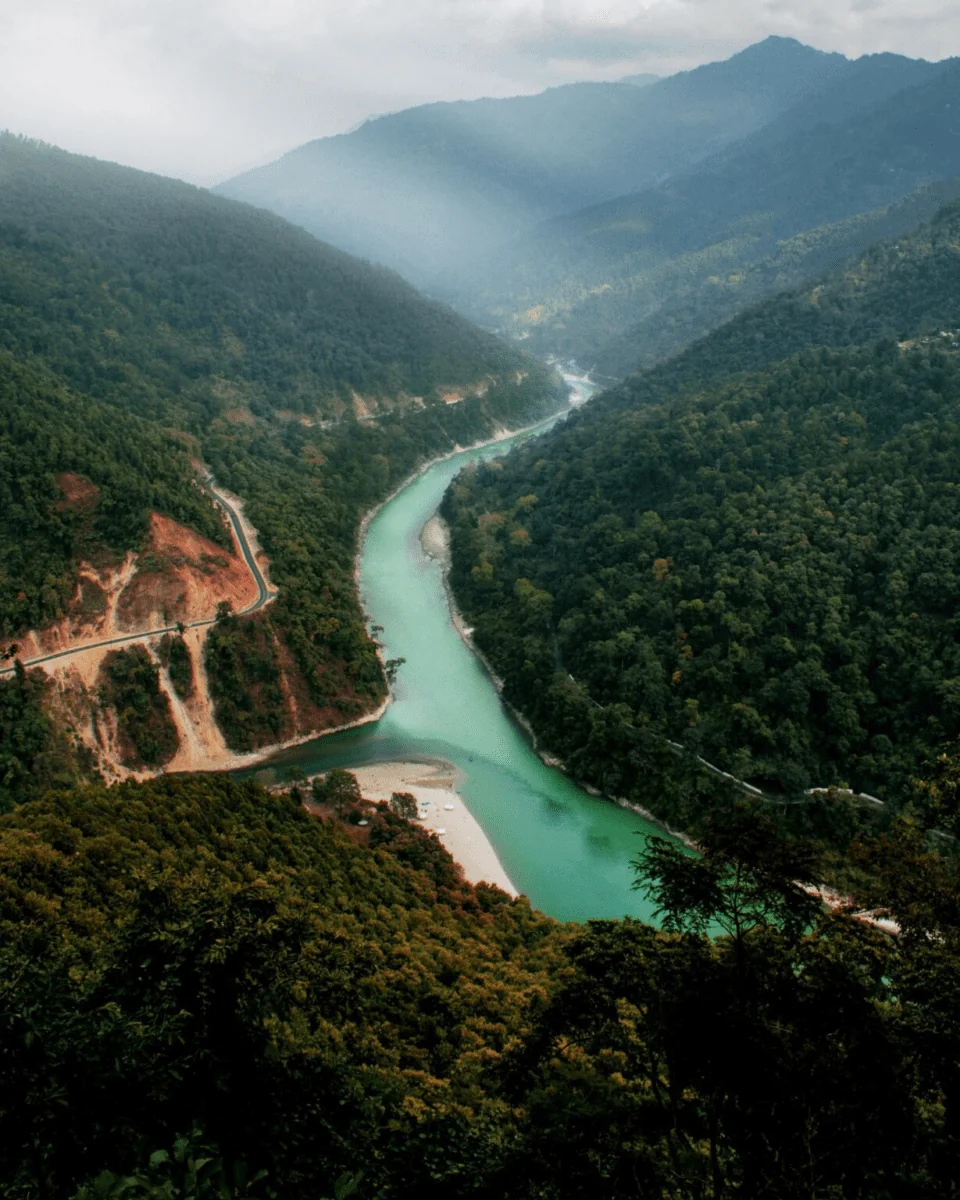
A Jalshakti (water-scarcity-solution-sustainab Resources) Ministry advertisement assures us that 19 crore houses will get drinking water from a tap by 2024. But the efforts on ground seem sluggish, and it won’t be surprising if it takes another 30 to 35 years i. e. by 2060 we will be able to provide tap water to all our people. Realistically with some political will power, we can achieve this goal by 2047 when the centenary of our Independence will be celebrated. For that purpose Ganga, Godavari and Kaveri rivers are to be linked.
In 1980 a National Perspective Plan was prepared for linking of GGK rivers by the Ministry of Irrigation. Dr K L Rao, then Irrigation Minister, consulted all the concerned CMs about this ambitious project. An UNDP i.e. United Nations Development Programme team visited India and prepared a feasibility report. The UNDP was ready to sponsor the GGK linking. But Indira Gandhi, then PM was assassinated and nothing is heard about this grand initiative since.
Now the Jalshakti Ministry should come forward to revive the GGK linking plan. The NITI Ayog can prepare an execution coordination programme in consultation with all the concerned States and Union Territories. This should be done on a war footing. The Consultative Committee attached to the Jalshakti Ministry can act as a pressure group to implement this giant multidimensional project.
If we can realise this dream, we will be able to solve the following problems:
1. Recurring floods
2. Drinking water shortage
3. Naval transport
4. Irrigation
5. Hydroelectricity
6. Low Tourism
The Ganga-Godavari-Kaveri linking project aims to connect Indias major river basins to address water scarcity in peninsular regions. India receives about 1140 mm annual rainfall most of which flows through 54 river basins. The National River Linking Project plans to construct 30 interconnections through canals and channels to transfer water from surplus basins to deficit basins. Environmental impact assessment studies are conducted by the Central Water Commission and the Ministry of Environment Forest and Climate Change.
Sources: IUCN Red List and World Wildlife Fund provide authoritative data for this article.
For more information, see WMO Confirms El Niño Nearly Certain Through February 2027, Raising Global Drought-Flood Risks WMO Confirms El Niño Nearly Certain Through February 2027, R.
See: ganga.