Karmactive Team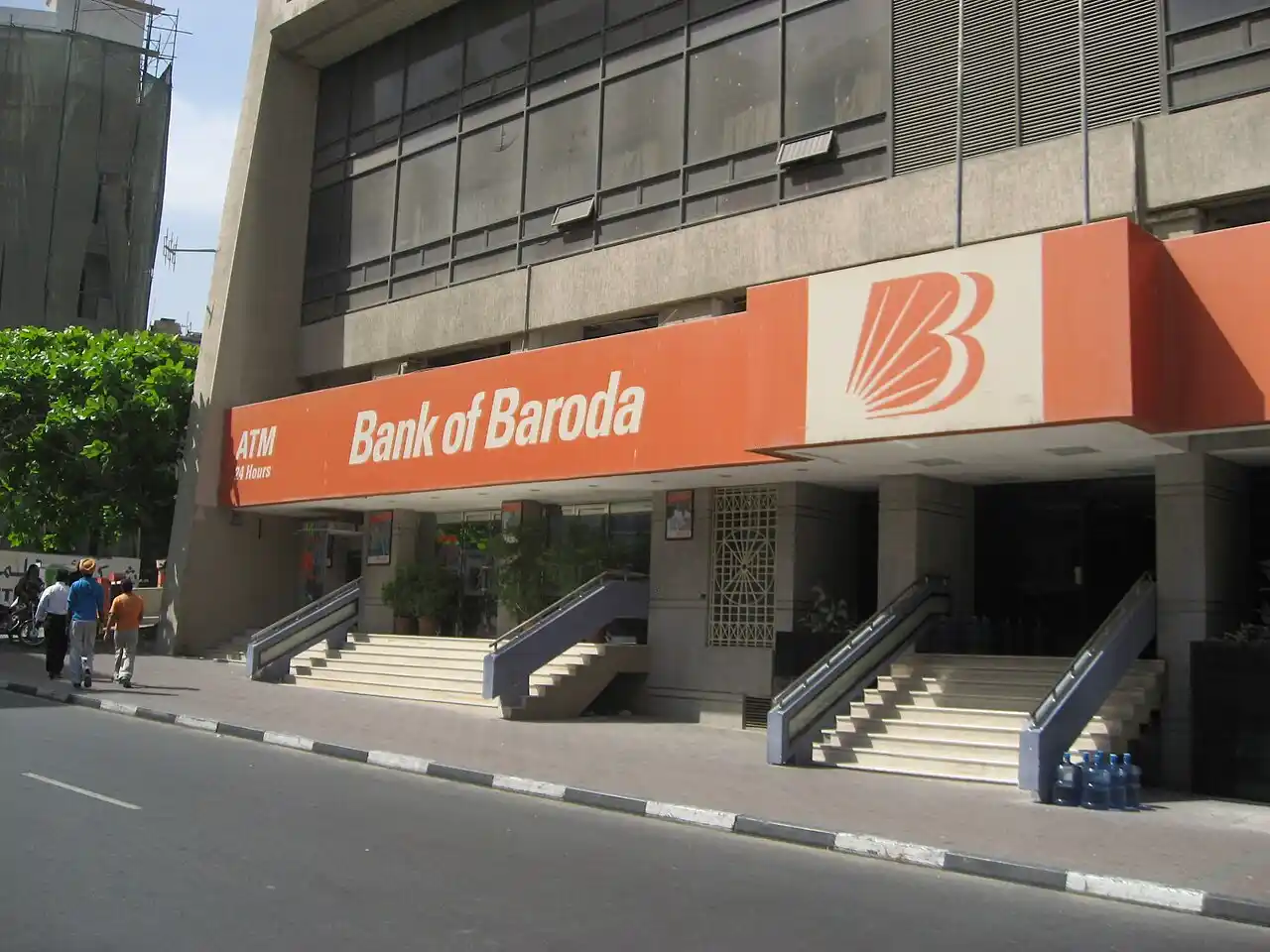
Bank of Baroda, one of India’s largest public sector banks, has initiated a forensic investigation after a data breach exposed sensitive customer information, raising concerns about cybersecurity standards across the Indian banking sector.
The breach involved unauthorized access to customer records, including account details and personal identification data. Banks in India are generally required to hold Aadhaar-linked KYC data, PAN card information, account numbers, and contact details—all of which carry high risk if exposed. Bank of Baroda has not publicly specified the total number of affected accounts, a common approach during active investigations to prevent wider exploitation.
India’s banking regulator, the Reserve Bank of India (RBI), mandates that licensed banks maintain and follow a comprehensive cyber security framework, first formalized through its 2016 Circular on Cyber Security Framework in Banks. Under these guidelines, banks are required to report cybersecurity incidents to the RBI within two to six hours of detection, depending on severity. The RBI also requires banks to carry out regular audits and implement multi-layered security architectures.
India’s national cybersecurity response agency, CERT-In (Indian Computer Emergency Response Team), plays a parallel oversight role—tracking incidents, issuing advisories, and coordinating incident response across sectors. Following high-profile breaches at Indian institutions, CERT-In strengthened mandatory reporting timelines in 2022, requiring even faster disclosure of incidents.
Attacks against Indian banks have increased in frequency and sophistication over the past five years. Common vectors include phishing campaigns targeting bank employees, exploitation of vulnerabilities in third-party vendor software, and credential-stuffing attacks using leaked login databases. Public sector banks like Bank of Baroda present a particular challenge: they maintain legacy IT systems built over decades, which are difficult to modernize without disrupting service to hundreds of millions of customers.
For customers, the immediate risk from an exposed banking record is financial fraud—unauthorized transactions, new credit applications, or SIM-swap attacks that redirect OTP messages. Customers of Bank of Baroda should immediately enable transaction alerts via SMS and email if not already active, check their last 90 days of account statements carefully, freeze any new credit applications through CIBIL or equivalent credit bureaus, and contact the bank’s customer care line if any suspicious activity appears.
The reputational and regulatory consequences for the bank are likely to be significant. Under India’s evolving data protection landscape—anchored now by the Ministry of Electronics and Information Technology’s Digital Personal Data Protection Act, 2023—organizations that suffer breaches face the prospect of penalties and mandatory notification obligations to affected individuals. The Act is still being operationalized, but the direction of regulatory pressure is clearly toward greater accountability for data custodians.
The broader lesson from breaches of this scale is that cybersecurity cannot be treated as an IT department concern alone. It requires investment at the institutional level, regular staff training, and rigorous vetting of every third-party vendor given access to customer data. Whether Bank of Baroda’s forensic investigation surfaces a gap in any of those areas will shape both the regulatory response and the remediation plan the bank is required to implement.