
Wind, Solar and Batteries Cut Clean Power Costs Nearly a Fifth, Ember Finds
Wind, Solar and Batteries Cut Clean Power Costs Nearly a Fifth, Ember Finds
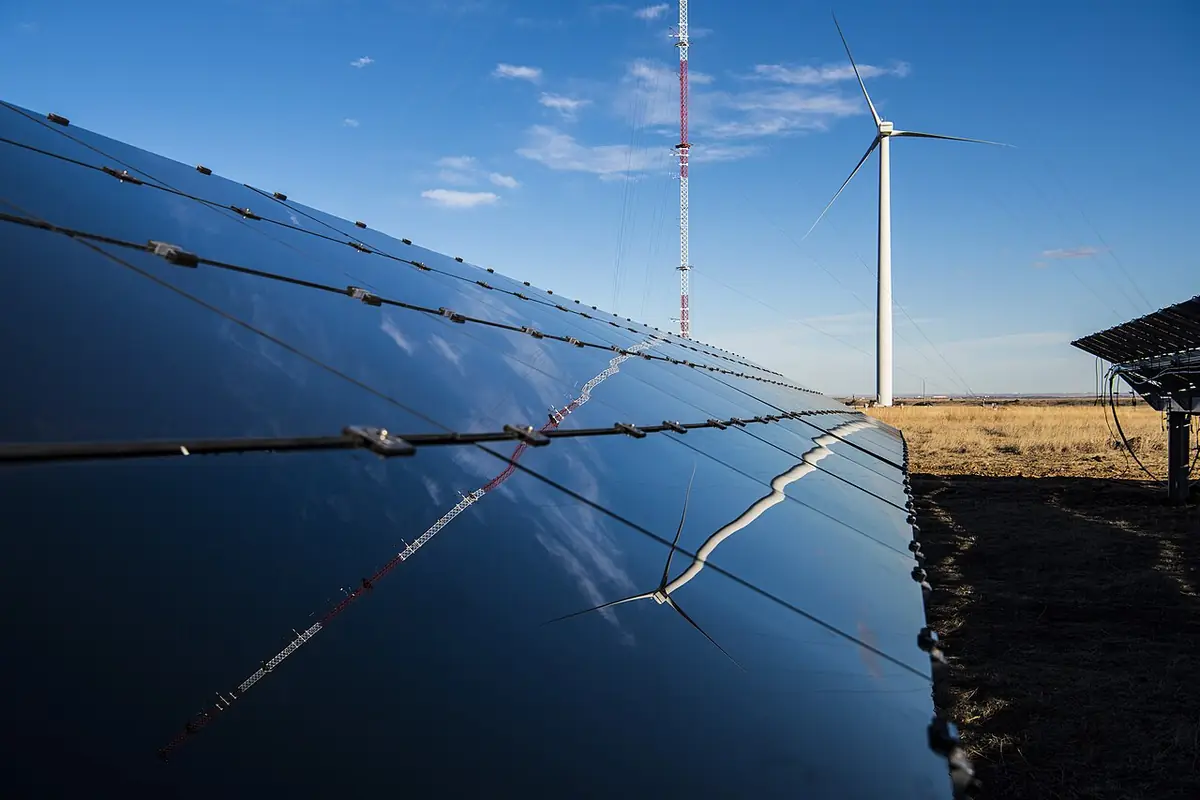
For anyone who wonders whether clean power can keep the lights on through cloudy days and still nights, a new global study offers encouraging news. Adding wind to solar and batteries makes clean electricity that meets 90% of demand cheaper, and Ember finds the combination lowers costs almost everywhere in the world. The findings come from a ten-year weather analysis that tests the idea hour by hour.
Ember, a global energy think tank, published the findings on 16 November 2026, with technical input from the Global Wind Energy Council (GWEC). Researchers modelled the cost of supplying power from wind, solar and batteries using hourly weather records from 2015 to 2024 for every world region. Across the globe, adding wind to solar and batteries cut the median cost of reaching 90% uptime from $105 to $86 per megawatt-hour, a drop of nearly a fifth. Uptime here is the share of a year’s demand a system meets hour by hour, averaged over the ten weather years; it is not the share of hours. Regions that together use three-quarters of the world’s electricity could reach 90% uptime for under $100 per megawatt-hour with wind included. Without wind, only half of global demand is in regions that can do so. Earlier Karmactive coverage of record renewable generation tracked how quickly these sources have grown, and the complementary design question was examined in our report on the global wind and solar outlook for 2030.
In Ember’s modelling, adding wind reduces the battery storage needed to meet 90% of demand. In Canada, the battery storage needed to reach 90% uptime falls from 24 hours of load to 10. In the United States and Europe, it drops from 20 hours to 12. The same 90% uptime target can therefore be met with less battery storage once wind joins the mix. Ember’s Europe figure is a regional model result rather than a UK-specific estimate.
Wind and solar tend to fall short at different times. Solar lulls cluster in winter, when wind lulls are much rarer. That complementary pattern helps explain why the battery hours fall. Grid-scale storage is already being built at this scale, as Virginia’s largest battery storage project shows.


Latest from Energy

Sila and Panasonic Energy Sign $1B+ Potential Titan Silicon Anode Deal to Power Domestic Battery Production
Sila and Panasonic Energy Sign $1B+ Potential Titan Silicon Anode Deal to Power Domestic Battery Production If you have ever wondered where the battery in an electric car comes from, part of
UCL’s Water-Based Iodine Battery Kept 96% Capacity After 1,000 Cycles—What the Lab Results Show
UCL Aqueous Battery Breakthrough: Four-Electron Iodine Storage Without Halogen Salts Concerns about battery fires often lead people to ask whether a home battery or a neighborhood power store is safe. This laboratory

UCL’s Water-Based Iodine Battery Kept 96% Capacity After 1,000 Cycles—What the Lab Results Show
UCL Aqueous Battery Breakthrough: Four-Electron Iodine Storage Without Halogen Salts Concerns about battery fires often lead people to ask whether a home battery or a neighborhood power store is safe. This laboratory
MIT and Georgia Tech Study: Excess Solar and Wind Energy Could Power Factories and AI
MIT and Georgia Tech Study: Excess Solar and Wind Energy Could Power Factories and AI Sunny, windy afternoons can leave the grid with more clean power than it can use. For anyone
Residential Solar Heat Mortality: Rooftop Panels Cut Extreme-Heat Deaths by 8.5% in Japan
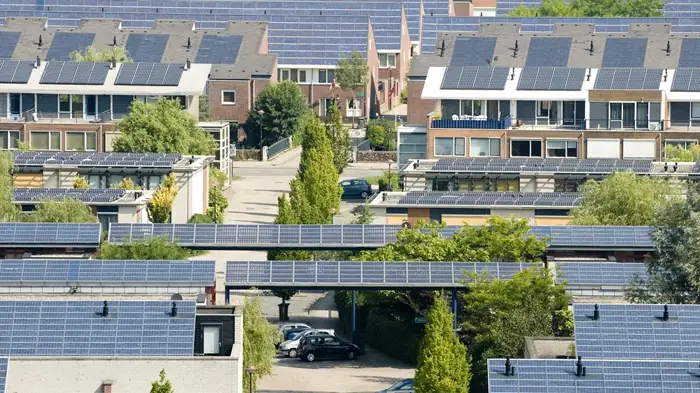
Residential solar heat mortality in Japan fell as rooftop panels spread across the country. A study in Social Science & Medicine reports the finding, and points to a practical way to keep
UK Rooftop Solar Record: 270,000+ Installations in 2026
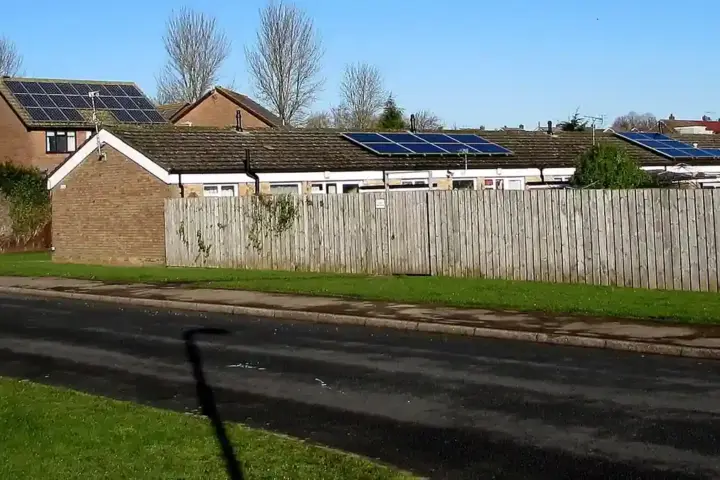
For UK households weighing solar panels, new figures show rooftop solar installations are rising across homes, shops and community buildings. MCS data published on November 20 says the country passed 270,000 certified
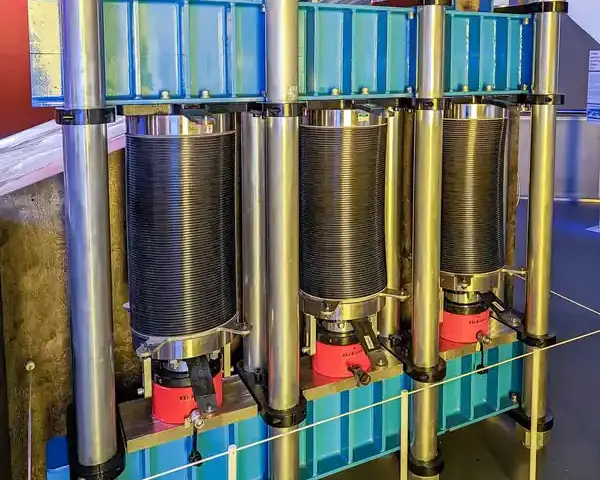
Alkaline Water Electrolyzer Durability: 1,000-Hour Test Finds 5 Iron Triggers
Green hydrogen producers need electrolyzers that can run for long periods without costly maintenance. Trace iron in alkaline water electrolyzers can improve nickel-based anode activity, but it can also form metal branches
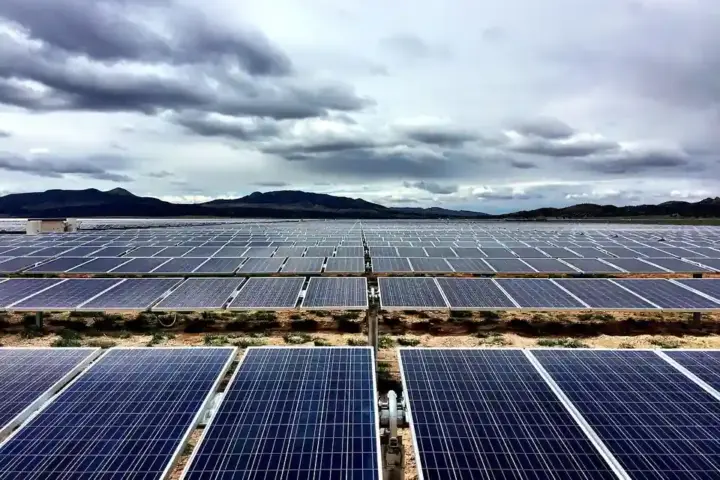
US Solar Module Prices Jump 35% Ahead of Dec. 4 Tariff Floor
US solar module prices are reshaping procurement for developers and installers pricing projects for late 2026. Imported modules and products that may help projects qualify for domestic-content incentives now sit much closer
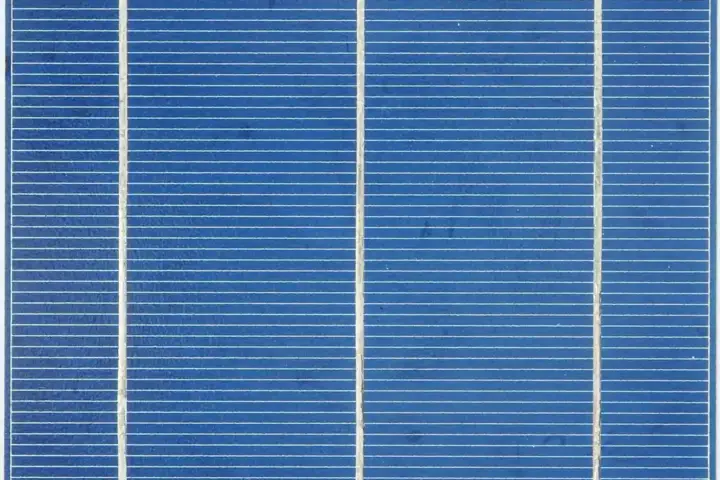
Tesla Seeks Tax Break for $3.1B Nueces County Polysilicon Refinery
Tesla’s proposed Nueces County polysilicon refinery could add a domestic source of solar-grade polysilicon for high-efficiency solar cells. For US solar manufacturers, the plan comes as new federal import rules are due
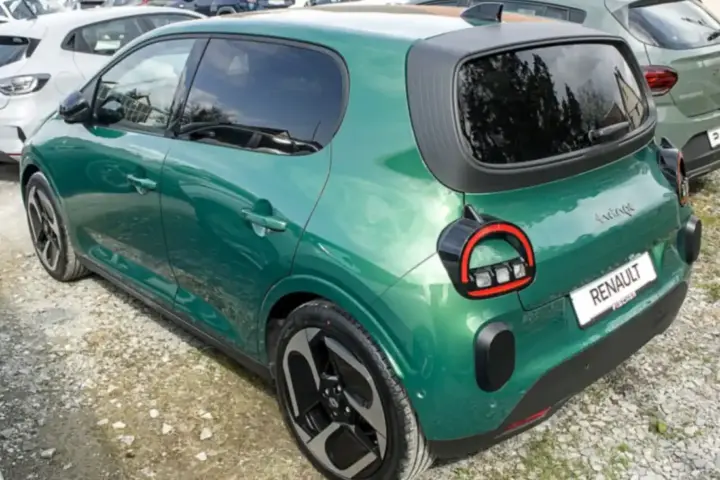
Renault Twingo E-Tech price starts at £14,745 in the UK after grant
UK drivers considering a new electric car may be drawn to the Renault Twingo E-Tech‘s £14,745 starting price. The Evolution trim is listed at that price after the full £3,750 Electric Car
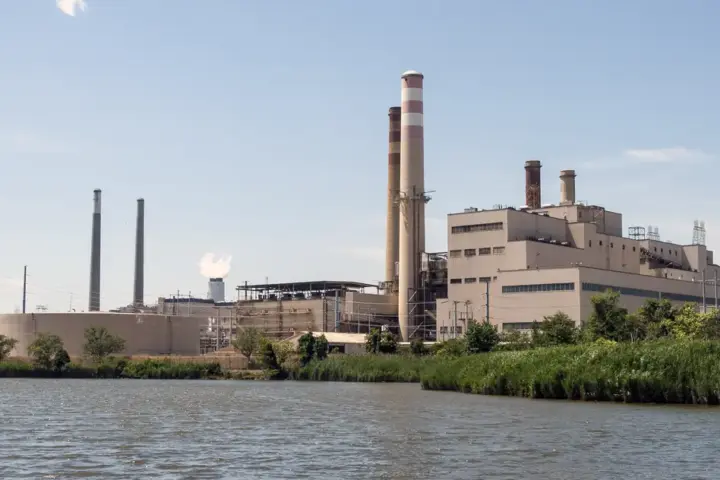
Wagner Unit 4 Order Extended by DOE for PJM Grid
The Wagner Unit 4 order now runs through December 31. For households and businesses across the Mid-Atlantic and parts of the Midwest, winter power reliability depends on whether the grid can meet

Wind-Turbine Loads Face 278km Detour at Queensland Bridge
Oversized wind-turbine components travelling through Queensland’s Western Downs can face a 278-kilometre detour because of restrictions at Dogwood Creek Bridge near Miles, the Australian Financial Review reported. The bridge is on the
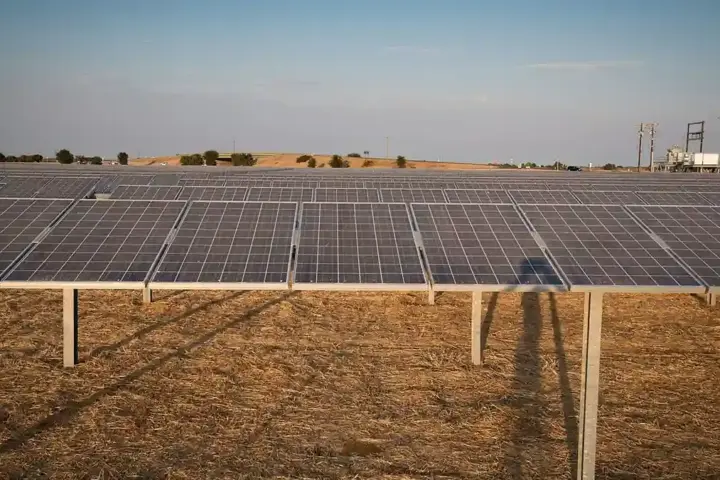
Tazewell County Approves Mackinaw Solar Project; Battery Proposal Delayed
The Tazewell County Board approved a conditional special-use permit for Mackinaw Solar on 18 November, according to local reporting and the county board agenda. The project is planned as a 500-megawatt solar

UK Allocation Round 8 Renewables Auction Sets an Initial Notional Budget of £1
UK households watching energy costs may wonder what a renewables auction with a £1 budget can actually buy. The UK government says the figure is an initial notional budget for each of
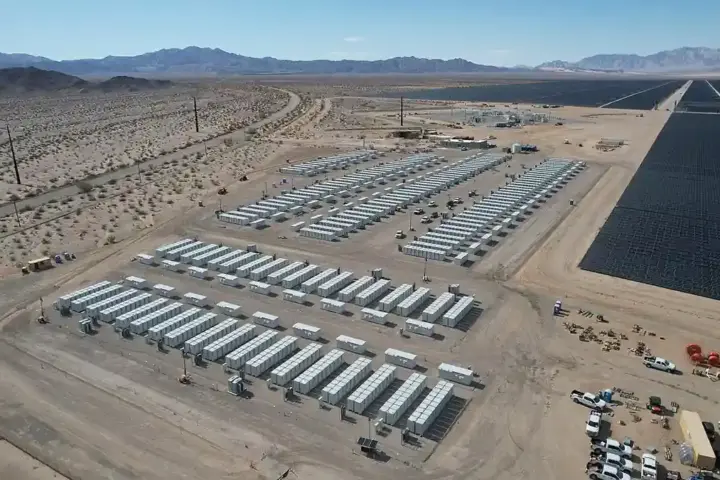
Sonnen Australia Enters Administration After Shell Exit, Leaving Battery Customers Uncertain
Two announcements arriving within weeks of each other have drawn a sharp line through Australia’s battery storage sector—one that marks the collapse of a residential pioneer, the other a major international player