Bayesian Yacht Sinking Report: MAIB Finds 68-Knot Winds Knocked Superyacht Over in 15 Seconds
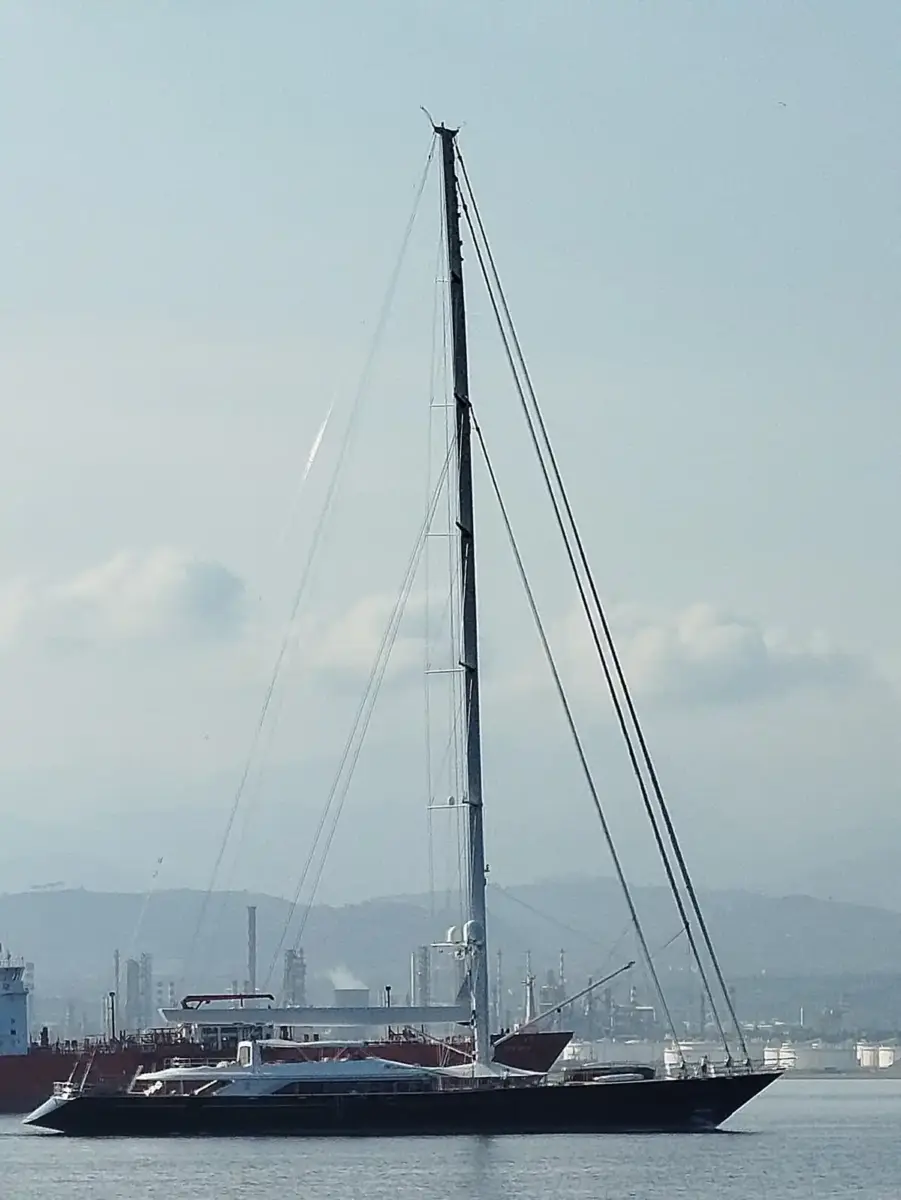
For yacht crews and owners, the MAIB’s new Bayesian yacht sinking report identifies a specific risk: the yacht’s vulnerability to knockdown in severe winds with no sails set was not identified in its stability information. The UK Marine Accident Investigation Branch published its findings on November 19, 2026, about the yacht’s sinking off Porticello, Italy. The report says extreme winds developed rapidly, and the yacht was pushed onto its side in less than 15 seconds.
The sailing yacht Bayesian foundered about 0.5 nautical miles south-east of Porticello on August 19, 2024. Seven people died. Fifteen survivors escaped and reached a liferaft launched by a crew member, according to the MAIB announcement.
Chief Inspector of Marine Accidents Rob Loder said calm conditions gave way to winds of at least 68 knots in just 14 minutes. The MAIB found that Bayesian’s vulnerability to wind heeling in the motoring condition, with no sails set, had never been assessed. The forecasts identified the possibility of thunderstorms but did not explicitly warn of the risk of accompanying winds or their possible severity.
For yacht crews, the finding has a practical implication: vessel assessments and onboard procedures should account for the conditions in which a vessel may be left at anchor. This is a practical takeaway from the report, rather than a direct quotation of a recommendation. The MAIB’s recommendations concern yacht design standards, crew training, weather information and guidance for mariners.


Latest from Maritime
Canadian Coast Guard Extends BC Emergency Towing Vessels Through 2028
The Canadian Coast Guard will keep its BC emergency towing vessels on contract through 2028, two years beyond the previous arrangement. The extension covers Atlantic Eagle and Atlantic Raven, the pair that
Australia Cruise Industry Loses $1.75 Billion as Carnival Halves Its Fleet by 2028
Australia’s cruise industry has absorbed a $1.75 billion hit over two years, with the country’s total cruise tourism contribution sliding from $8.43 billion to $6.68 billion, according to a joint report by
HMS Medway fires 120 rounds in Falklands drill
The Royal Navy patrol vessel HMS Medway fired 120 rounds from its 30mm cannon during a live-fire training exercise in the South Atlantic, drawing a protest from Argentina and adding a new
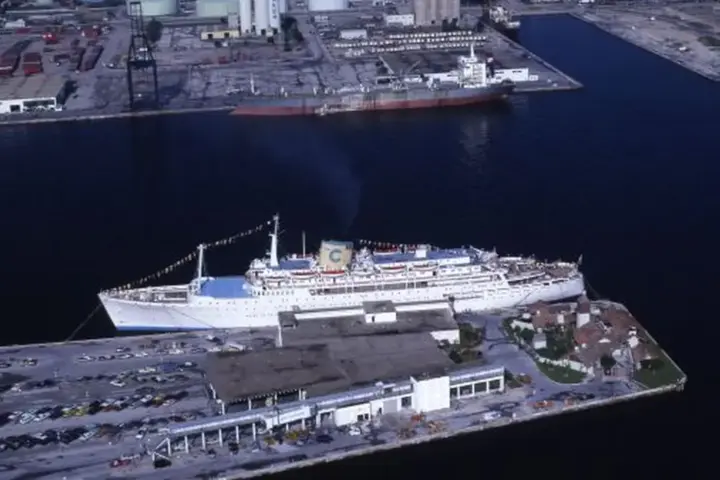
Villa Vie Odyssey “Endless Cruise” Stranded In Cambodia As Fuel Costs Hit $8,000 Per Cabin
Villa Vie Odyssey “Endless Cruise” Stranded in Cambodia as Fuel Costs Rise to as Much as $8,000 Per Cabin If you bought or leased a cabin on the Villa Vie Odyssey, or
Mein Schiff 3 Hit Five Vessels Leaving Bremerhaven and Lost Its Lifeboats—20 Nights of Canary Islands Sailing Canceled
Mein Schiff 3 collided with 5 vessels in Bremerhaven, destroying lifeboats. TUI canceled the 20-night Canary Islands voyage; investigation underway.
Captain Investigated After Mein Schiff 3 Hits Two Container Ships in Bremerhaven
A TUI Cruises ship collided with two container vessels while departing Bremerhaven, Germany, on Sunday, October 25, 2026, leaving passengers stranded and vessels under port authority scrutiny while investigators establish what happened.
Hormuz Transits Down 70% and Brent at $108 — Can Lavrov’s First Tehran Visit in 8 Months Change Anything?
What has changed since last week: Russia’s foreign minister visited Tehran on Monday for the first time since the US-Iran conflict began approximately eight months ago, and Iran’s seven-day reopening proposal remains
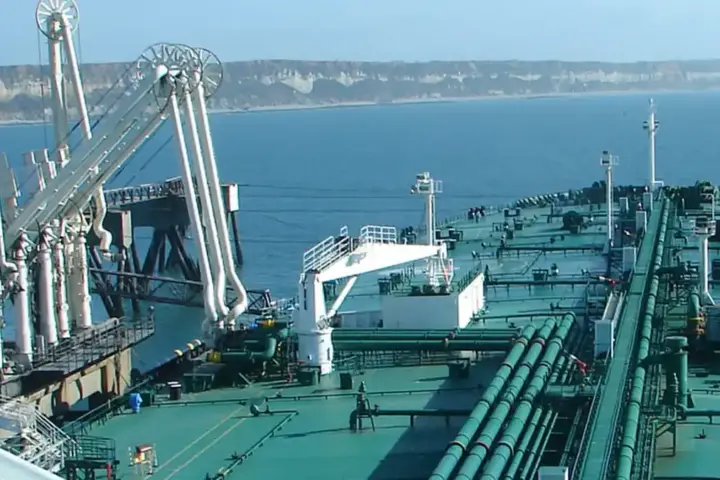
Crude Tanker MT ST 3 Hit In Strait Of Hormuz Days After YARA J Strike Off Romania
Two Indian-crewed tankers survived projectile and drone strikes within 48 hours, in the Strait of Hormuz and off Romania’s Danube coast. Families of 24 Indian seafarers are breathing easier after both crews
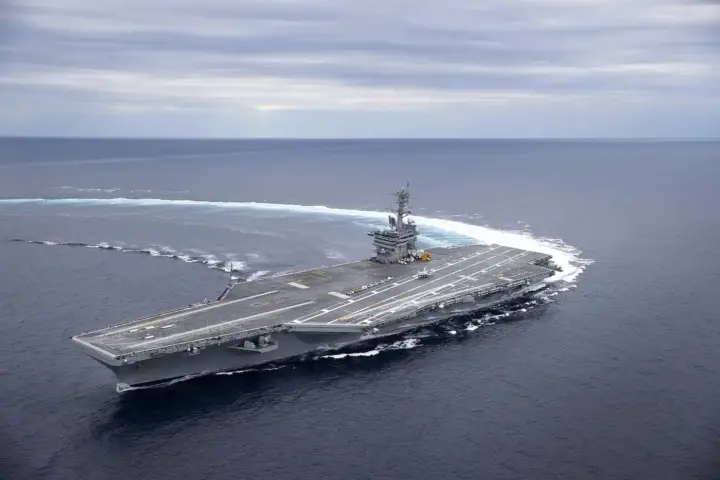
USS Abraham Lincoln Reaches Thailand After 286 Days at Sea—First Port Visit Historic Deployment
The USS Abraham Lincoln Carrier Strike Group pulled into port in Thailand after more than nine months at sea, marking the vessel's first major port stop of a historic deployment. The strike
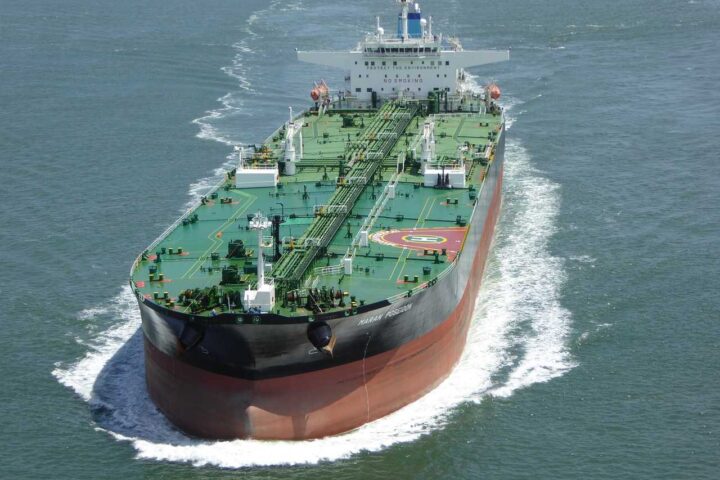
India Bans Merchant Ships From Strait of Hormuz After 46 Attacks and Multiple Seafarer Deaths
India bans merchant shipping through Strait of Hormuz July 23, 2026, after 46 attacks since Feb 28. 14 seafarers killed across multiple nationalities.
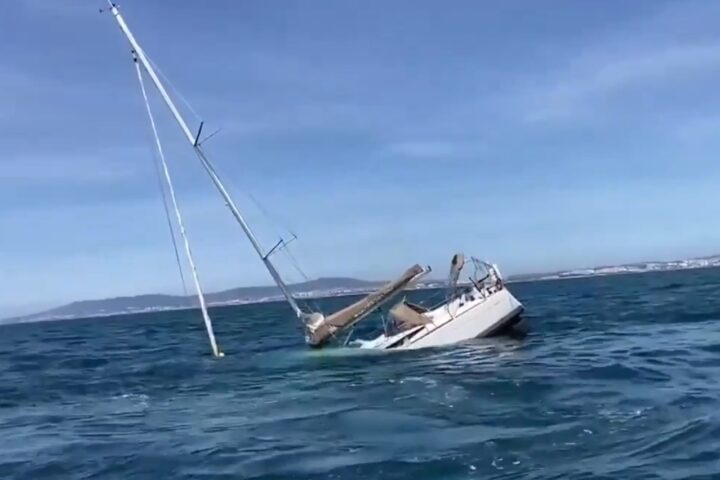
Orcas Sink 7th Yacht Off Portugal: ‘It’s a Game’ Says Expert as 700-Incident Spree Continues
Costa da Caparica, Portugal– A pod of orcas sank a sailing yacht carrying five people off the coast of Fonte da Telha beach near Lisbon on Saturday afternoon. The Portuguese National Maritime
UK’s ‘Protected’ Marine Areas Hit by 20,600+ Hours of Bottom Trawling as Government Rejects Blanket Bans
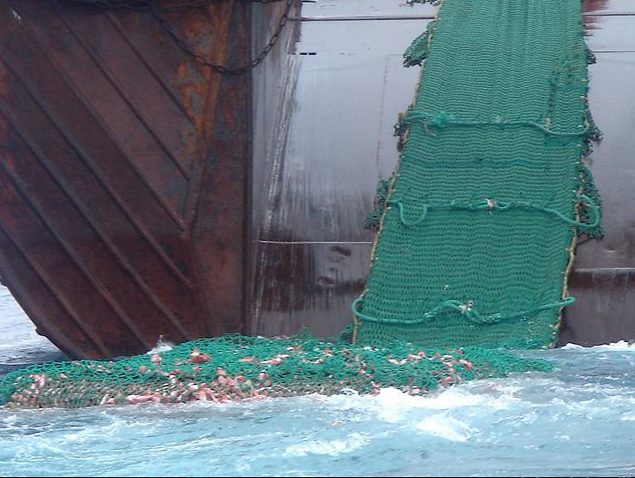
When Marine Protected Areas fail to protect marine life, their very purpose crumbles. British seas face this exact crisis today. Over 20,600 hours of bottom trawling occurred in UK offshore MPAs during
Gaza Aid ‘Family Boat’ Fire Mystery: 6 Crew Safe as Activists and Tunisia Dispute Drone Strike Claims
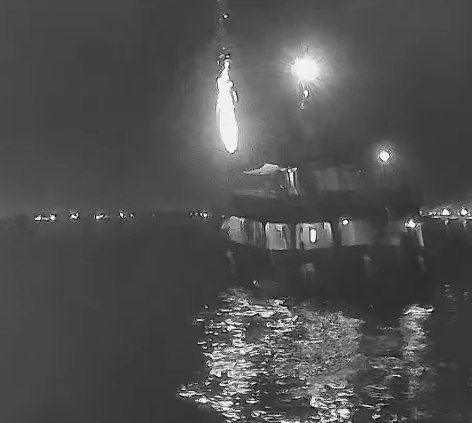
A Gaza-bound aid boat caught fire in Tunisian waters on September 8, 2025, while anchored off the coast of Sidi Bou Said. Six crew members escaped unharmed as conflicting accounts emerge about

Gaza Flotilla 90 Miles Out Reports Drone Surveillance: ‘They Hate Us For Doing the Right Thing
The “Global Sumud Flotilla” – a humanitarian convoy carrying critical supplies for Gaza – has reached approximately 90 nautical miles from Minorca while reporting extensive surveillance operations. “We have detected the first
US Bans Seafood from 240 Operations to Save Marine Mammals
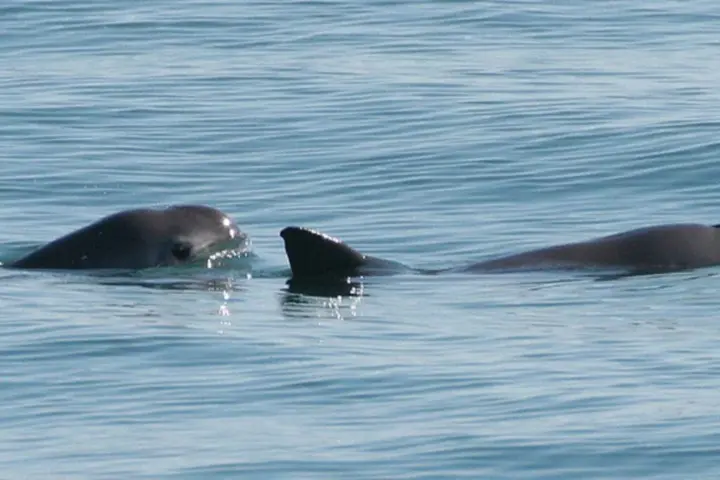
The U.S. government is cracking down on foreign fishing operations that harm whales and dolphins. Starting January 2026, America will block seafood imports from 240 fishing operations across 46 countries that fail