 Rahul Somvanshi
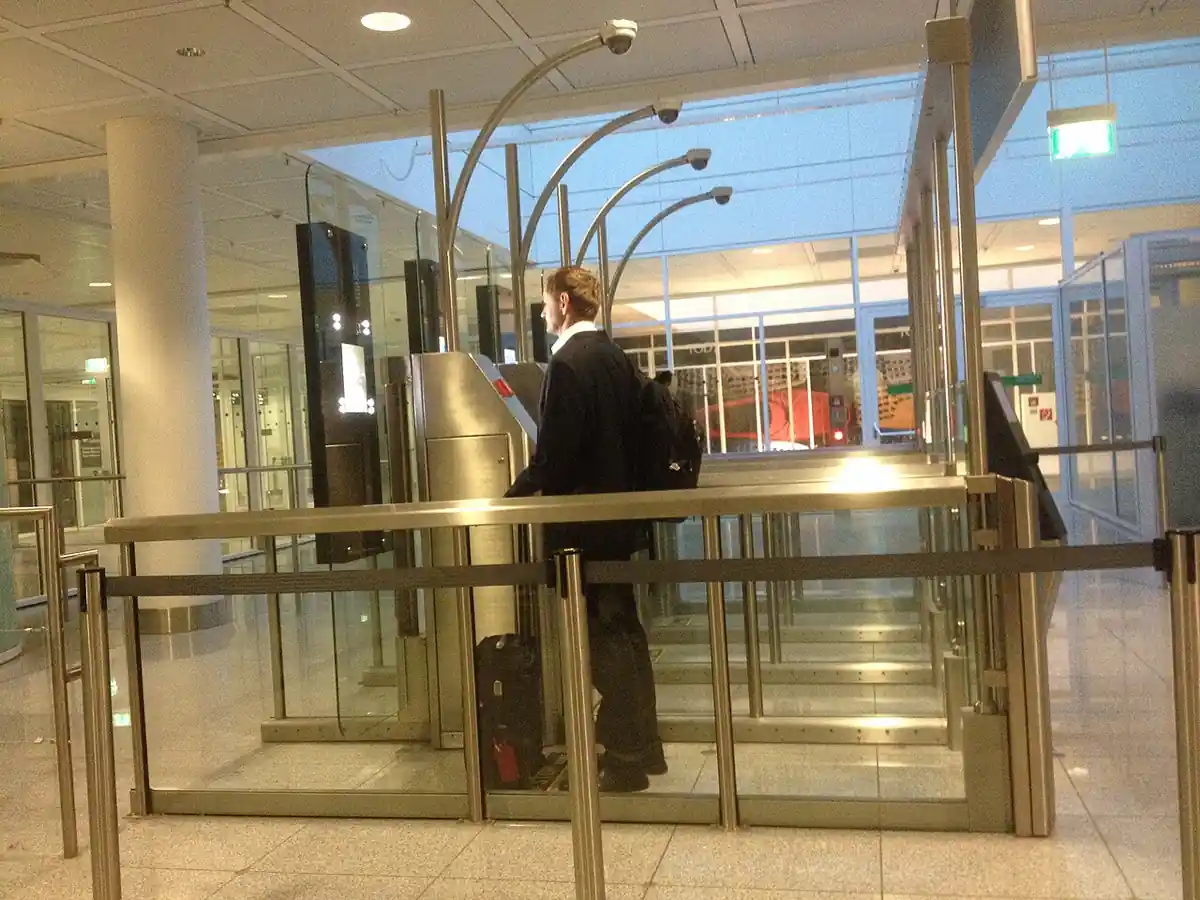
Twenty-two U.S. states and territories now issue mobile driver’s licenses, at least 5 million are in use, and roughly 47% of the country can get one. The licenses live in a phone wallet rather than a physical card. Yet most websites still ask for a photo of a plastic card, and that gap is what the new draft report sets out to fix.
The National Institute of Standards and Technology released a draft framework on November 19, 2026, to close that gap. NIST’s National Cybersecurity Center of Excellence (NCCoE) published Digital Identities — Mobile Driver’s License (mDL): Enabling Secure and Interoperable Online Use. It is known as NIST Special Publication 1800-42. The project was built with technology companies, government agencies, and five of the 10 largest U.S. banks.
The draft report offers tools that let an organization test whether it can accept an mDL with its existing systems. It defines a reference architecture built on commercially available, off-the-shelf technology, software, and standards. An agency or a bank can adopt the model without building custom hardware.
What banks actually tested
The architecture sets out three capabilities. First, a person can present an mDL to verify their identity for an online transaction. That could be opening a bank account or reaching government benefits, without uploading a photo of a physical card. That matters because a photo of a license is a static copy that can be reused by anyone who obtains it. Second, an mDL can be requested again in high-risk situations, such as a high-dollar transfer or account recovery, to reestablish trust. A fresh cryptographic check at that moment is stronger than a password or a saved photo. Third, the system can issue a phishing-resistant authenticator, called a passkey, to the user. A passkey is a login credential that cannot be typed into a fake site, which removes the most common way account takeovers begin.
NIST security engineer Bill Fisher described the adoption problem as a “chicken-and-egg problem.” He is one of the project’s organizers. On one side, consumers are unlikely to use mDLs unless services accept them in everyday, high-value cases. At the same time, companies hesitate to fund integration without broad consumer adoption. NIST’s answer is a shared reference design that lowers the cost of the first move.
The report references the NIST Privacy Framework and NIST SP 800-53 rev. 5. It also lists seven usability best practices drawn from testing with volunteers who measured the system’s performance, satisfaction, and feedback. Those practices cover how the credential is presented, how errors are handled, and how a person confirms what they are sharing. NIST tested them with volunteers rather than assuming how people would react to a digital ID prompt.
An mDL keeps its information cryptographically protected. The phone proves who the holder is without handing over a copy of the card, which makes it difficult to steal or fake. That also removes the need to upload a photo of a physical ID card. The cryptographic check happens between the phone and the service, so the cardholder shares only the specific detail a transaction needs. Fisher said the draft contains information useful to any organization that accepts physical IDs today, beyond banks. The five participating banks supplied the first demonstration case. The design is not tied to any one lender. Healthcare portals, government benefits offices, and age-restricted services all sit in the same position.
NIST is requesting public comments on the draft report by December 20, 2026. The draft is available now for anyone who wants to read the full reference architecture. The project page lists how to submit feedback. The final publication will set the common rules that banks, healthcare portals, and government agencies can build against. Until then, organizations can download the draft and test their own systems against the reference architecture. The comment window closes on December 20, 2026, and NIST said it will use the feedback to finish the publication.