Rahul Somvanshi
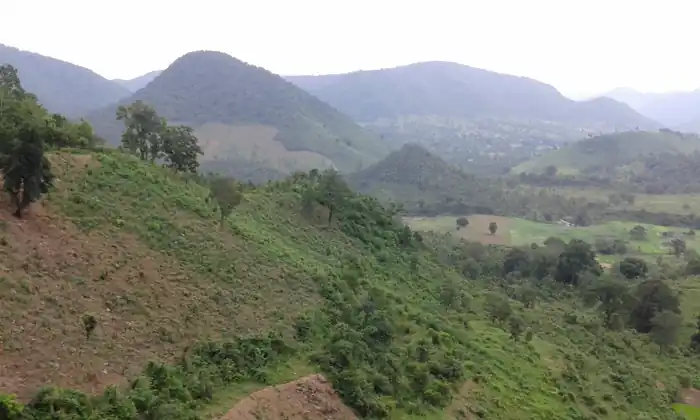
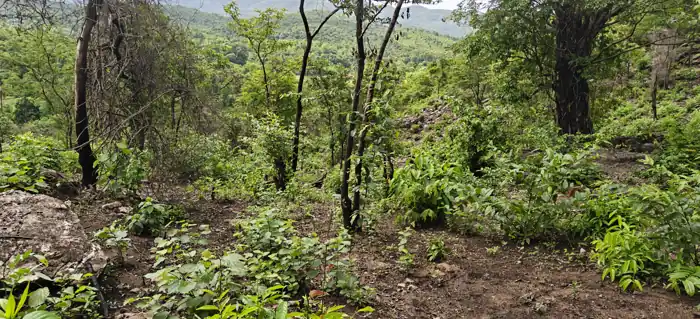
Tribal villagers in Odisha’s Koraput district allege that signatures and thumb impressions used to secure consent for a bauxite mine at Balda Hill were forged, including entries bearing the names of people who had died or did not attend the relevant Gram Sabha meetings.
The proposed mine is being developed by Kalinga Alumina Limited, a subsidiary of Adani Enterprises, according to an investigation by Al Jazeera and subsequent Indian reporting. The allegations have not been established by a court. They are the subject of complaints and petitions by villagers, who are seeking an investigation.
What the villagers allege
Balda and neighbouring Bannur are tribal-majority villages in Koraput. Government documents cited by Al Jazeera say 580 adults gave consent at Gram Sabha meetings on October 9, 2025 for the diversion of land for the mine. Elected village heads in both villages disputed that account and described the meetings as invalid, according to the report.
Villagers told the outlet that they did not attend the meetings or give consent, despite their signatures or thumbprints appearing on the resolutions. The reporting documented specific claims involving a paralysed man, people who had died before the meetings, and names that villagers could not trace. It also reported that a contract revenue-office worker said he had been paid ₹3,000 to collect documents for land-settlement purposes and did not know signed sheets would be used in the mining-resolution file.
These are serious allegations of forgery and procedural irregularity. They should not be confused with a judicial finding against Adani Enterprises, Kalinga Alumina, or any public official. Al Jazeera reported that it sought comment from the Adani group and its communications chief twice, as well as from Koraput’s district magistrate and superintendent of police, but received no response.
Why Gram Sabha consent matters
In Scheduled Areas, constitutional protections and laws including the Forest Rights Act and the Panchayats (Extension to Scheduled Areas) Act give Gram Sabhas a central role in decisions affecting forest-dwelling communities and traditional lands. Consent procedures are not a formality: they are intended to ensure that people living with the consequences of land diversion can make an informed decision.
At Balda Hill, villagers had applied for community forest rights over a large area, including land overlapping the mining lease, according to the investigation. They say those claims were cut down or excluded during the approval process. The project received the required approvals in May 2026 and the forest land was handed over on a 50-year lease, Al Jazeera reported; it said work had not yet started on the ground at the time of publication.
A wider pattern cited in Odisha
The case also sits within a broader record of concerns about land acquisition in tribal areas. A 2024 Comptroller and Auditor General audit of land management in Odisha’s Scheduled Areas identified 136 consent-related violations in mining and other projects, according to reporting on the audit. The figure is not a finding about the Balda Hill mine specifically, but it underscores why claims about the integrity of Gram Sabha records demand a transparent, independent response.
For the affected communities, the immediate questions are straightforward: were the resolutions validly convened, were signatories genuine and informed, and were forest-rights claims properly decided before diversion of the land? The most credible way to answer them is a public investigation that makes the relevant notices, attendance records, resolutions, consent sheets and official decisions available for scrutiny.
Sources: Al Jazeera investigation; The Hindu; and reporting on the 2024 CAG audit. The submitted Reel was used as a discovery lead.