Rahul Somvanshi
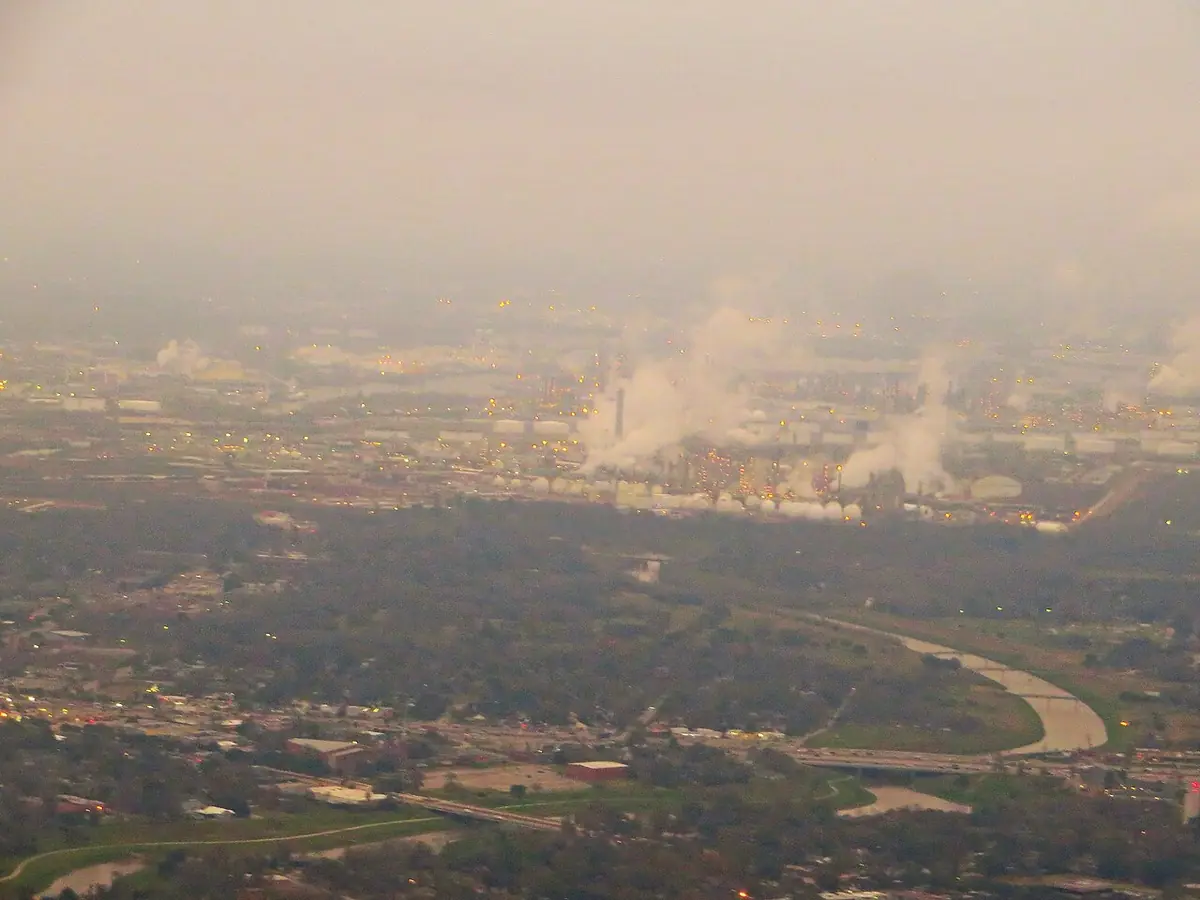
A rotten-egg smell drifted through Deer Park, Texas, on the evening of November 10, 2026. Emergency alerts told thousands of residents to stay inside, shut their windows, and turn off their air conditioning. For four hours, the neighborhood around the Lubrizol chemical plant became a waiting game.
The shelter-in-place order was issued at 6:20 p.m. and classified as a Level 3 emergency. The source was the Lubrizol facility in Deer Park, an industrial corridor east of Houston. City officials confirmed that a reactive chemical called phosphorus pentasulfide came into contact with water inside the plant. That reaction produced hydrogen sulfide, commonly known as H2S, along with phosphoric acid. Fence-line air monitors tracked the gas plume for hours. By 10 p.m., readings had cleared enough for the City of Deer Park to lift the order.
If you were home during the release window, there are steps worth taking now. Anyone who experienced headaches, nausea, throat irritation, or burning eyes during the release should write down the exact time of their symptoms and seek a medical evaluation. Texas environmental regulators are already logging exposure reports from neighborhoods surrounding the facility dated November 10.
What Caused the Deer Park Lubrizol Hydrogen Sulfide Release
Phosphorus pentasulfide is a solid industrial chemical used to manufacture ZDDP, an additive found in most motor oils that protects engine parts from wear. When it comes into contact with water, it reacts and breaks down, releasing H2S gas. That is what happened inside the Lubrizol plant on the evening of November 10.
H2S is acutely toxic even at low concentrations. At low levels it smells strongly of rotten eggs, which is why residents in Deer Park reported the odor across a wide area. At higher concentrations, however, the gas rapidly paralyzes the olfactory nerve, the part of your nervous system responsible for detecting smells. This is called olfactory fatigue. When it happens, the smell disappears entirely, even though the air may still carry dangerous levels of gas. This is one reason health officials and emergency responders do not rely on the smell test to determine whether air is safe. Monitors and instruments make that call.
The Texas Commission on Environmental Quality, known as TCEQ, is the state body that regulates air emissions from industrial facilities. Following incidents of this type, TCEQ typically opens an investigation and reviews whether the release constituted a violation of the facility’s air permit. No TCEQ findings had been published as of the time this article was written.
What caused the hydrogen sulfide gas leak at Lubrizol in Deer Park on November 10?
City officials confirmed that the H2S release began around 6:20 p.m. on November 10, 2026, when phosphorus pentasulfide inside the Lubrizol facility came into contact with water. The resulting chemical reaction released toxic gas into the surrounding area. The incident triggered a four-hour Level 3 shelter-in-place order covering nearby neighborhoods.
The shelter-in-place order for Deer Park was lifted at 10 p.m. on November 10 after fence-line monitors showed the hydrogen sulfide levels had cleared. Residents with health concerns from that evening should document their symptoms and consult a doctor. The TCEQ investigation into the Lubrizol release is expected to continue in the days ahead.