Sunita Somvanshi

Crude oil prices rebounded on Wednesday after Yemen’s Iran-aligned Houthis claimed a missile strike on Saudi Arabia’s largest oil refinery—reversing losses from earlier in the week when diplomacy between regional powers generated brief price relief.
Brent crude rose to approximately $115.36 per barrel and West Texas Intermediate to approximately $101.12 in early Wednesday trading, October 28. The move followed a two-session pullback in which Brent settled at $113.88 and WTI at $99.90 on Tuesday—itself down from Friday’s settlement near $116.72. The Houthis claimed a missile strike on a 550,000-barrel-per-day Saudi refinery on Tuesday, October 27. Saudi authorities did not immediately confirm damage; a fire was contained and the Saudi-led coalition said it intercepted three missiles. Reports indicate the attack was on the Ras Tanura facility.
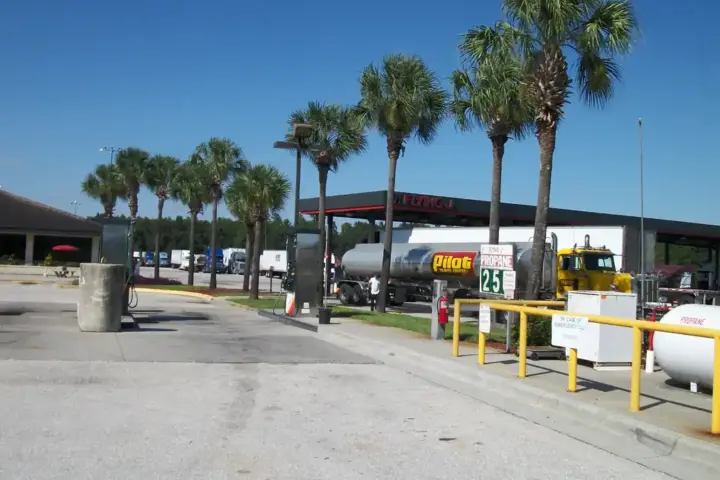
With US West Texas Intermediate crude back above $100 a barrel and Brent rising toward $115, American drivers and businesses face continued pressure at the gas and diesel pump heading into November. Whether the price pressure sustains depends on whether Saudi Arabia confirms refinery damage; crude prices do not translate instantly or uniformly into retail fuel costs, and no confirmed production outage had been established at the time of reporting.
Diplomacy vs. Escalation: The Forces Behind Wednesday’s Rebound
The price reversal reflects a collision between two simultaneous signals. On Monday, Saudi Arabia’s defence minister, Pakistan’s army chief, and Turkey’s intelligence chief met in Tehran in a bid to de-escalate regional tensions. No agreement to halt Houthi attacks was announced, and the talks were described by Gulf News as having faltered. The Tuesday Houthi claim against a major refinery then pushed markets back toward the week’s highs.
The tension for oil traders is clear: diplomatic contacts between regional governments and Iran are occurring at the same time that Iran-aligned forces are claiming strikes on Saudi energy infrastructure. Markets are pricing the gap between the two.
Traders face two contradictory signals simultaneously: diplomatic contacts in Tehran designed to reduce the conflict, and a Houthi claim of a missile strike on Saudi Arabia’s largest refinery on the same week.
Why did oil prices climb on Wednesday after falling earlier in the week? Brent crude rebounded to roughly $115 per barrel on Wednesday after Yemen’s Iran-aligned Houthis claimed a missile strike on Saudi Arabia’s 550,000-barrel-per-day Ras Tanura refinery on Tuesday. Saudi authorities said the coalition intercepted three missiles and damage was not confirmed. Prices had retreated from Friday’s $116.72 settlement level on Monday and Tuesday amid diplomatic contacts in Tehran.
Saudi Aramco and government officials had not confirmed damage to the refinery as of publication. A confirmed strike or production outage would be the next price catalyst. More on Middle East energy supply chain disruptions and the US inflation and winter fuel cost outlook at cruxbuzz.com.