Rahul Somvanshi
What Kenya’s Long-Running Exclosure Experiment Reveals About Sharing Rangelands
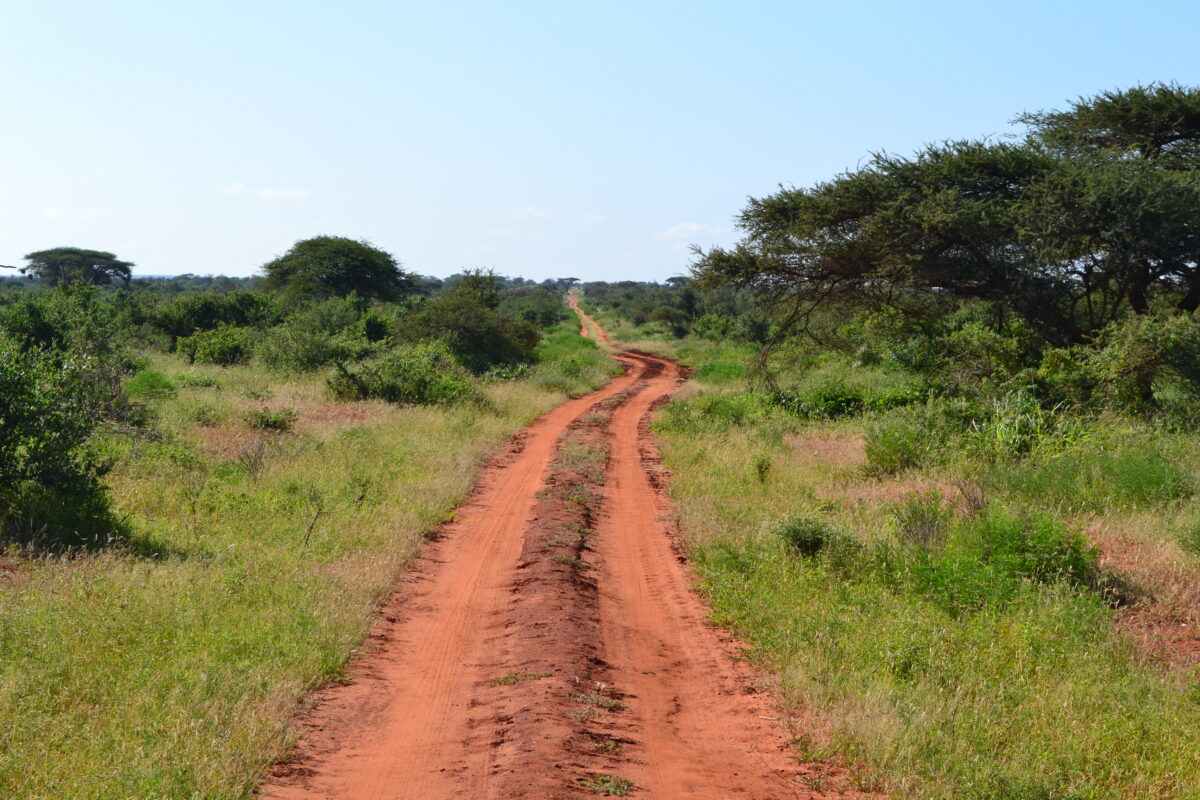
On a stretch of semi-arid savanna in Kenya, a research project that began in 1992 has spent decades asking a question that matters far beyond its fences: can cattle and wild animals share the same land without one group crowding out the other? The Kenya Long-term Exclosure Experiment, known as KLEE, was built to find out, and its results are more nuanced than a simple yes or no.
How the Experiment Is Built
According to Mpala Research Centre, which runs the project, the exclosures themselves were put in place in 1995, three years after the broader research effort started. The design is methodical: 18 plots, each four hectares, arranged across three replicate blocks. Barriers control which animals can enter each plot, creating six different combinations of cattle, wildlife, and megaherbivores such as elephants and giraffes.
Mpala says KLEE now tests interactions involving fire, grazing, fertility, rainfall and tree density.
Competition in Dry Seasons, Cooperation in Wet Ones
The headline finding from Mpala is a seasonal one. Cattle and wildlife often interact negatively and compete with each other during dry periods. But the same two groups can benefit from each other’s presence when conditions turn wet. This is not a general rule that livestock and wildlife get along; it is a pattern tied specifically to rainfall and forage availability, and it flips depending on the season.
Megaherbivores complicate the picture further. Mpala reports that elephants can reduce some cattle-related effects.
What the Experiment Measures
A peer-reviewed synthesis of the work, published in Ecology Letters in 2025 by Young and colleagues, frames KLEE as an examination of the separate and combined effects of livestock, wildlife, and megaherbivores in a semi-arid savanna.
From Plots to Practice
Mpala reports that its findings have informed a shift toward mobile bomas and have helped guide restoration efforts.
What the Long-Term Data Offer
The seasonal split in KLEE’s findings underscores that livestock and wildlife interactions are context dependent rather than fixed. What more than three decades of exclosure data offer is not a single formula but a clearer picture of how cattle, wildlife, and megaherbivores interact differently depending on conditions such as season and the presence of elephants.