Sunita Somvanshi
Households eligible for the £150 Warm Home Discount are receiving letters from late October. The fraud warning this year is straightforward: the government sends only physical letters. Any email, text message, or phone call claiming to be about your Warm Home Discount is a scam. If your letter asks you to call a helpline, do not use any number from an unsolicited message—call the official line at 0800 030 9322, which you can verify independently on GOV.UK.
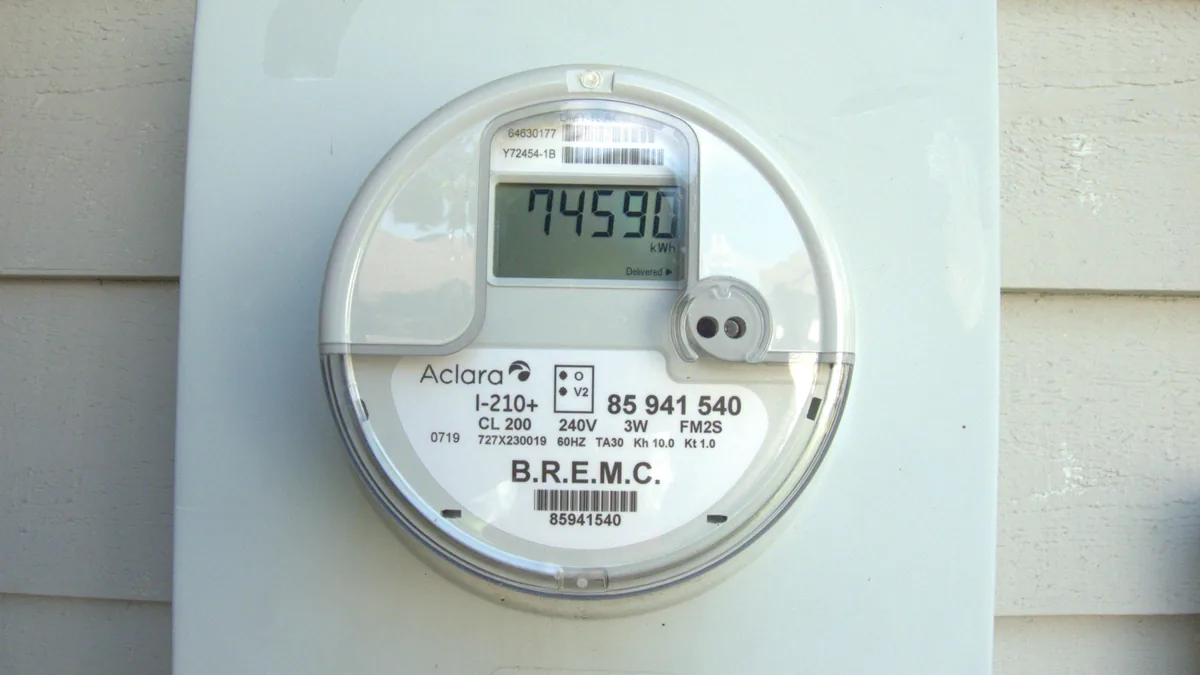
The Warm Home Discount scheme applies an automatic £150 reduction to eligible households’ electricity bills between October 2026 and March 2027. Around 6 million households are expected to receive the discount in 2026–27 under the scheme for England, Scotland, and Wales, with qualifying means-tested benefits including both elements of Pension Credit, Universal Credit, Housing Benefit, income-related ESA, income-based JSA, and Income Support.
Letters began arriving from October 22, 2026, and will continue through January 2027. Each letter confirms either that the discount will be applied automatically or that the household needs to call the helpline to provide additional information. The official Warm Home Discount helpline is 0800 030 9322, available Monday to Friday, 8am to 6pm. The February 26, 2027, date referenced in some coverage is the deadline by which households who receive a letter asking them to call must contact the helpline—not a payment deadline. Eligible households should receive the rebate applied to their bill by March 31, 2027.
The fraud risk is clear: scammers mimic the letter format or contact households by text, email, or phone claiming to process the discount. Because the government sends only physical letters, any digital contact or unsolicited call is fraudulent. If your letter says the discount is applied automatically, no action is needed and no call is expected. If it asks you to call the helpline, verify the number at GOV.UK before dialing.
Who qualifies and what to do
The Warm Home Discount has run annually since 2011. In England and Wales, the Core Group covers households where you or your partner receive a qualifying means-tested benefit, with the qualifying date being August 23, 2026. Qualifying benefits include Universal Credit, both elements of Pension Credit (Guarantee Credit and Savings Credit), Housing Benefit, income-related ESA, income-based JSA, and Income Support.
In Scotland, the rules differ. Scottish Broader Group households apply through their energy supplier rather than being automatically matched by the government’s data. If you live in Scotland and believe you qualify for the Broader Group, contact your energy supplier directly. For a full breakdown of what energy support is available this winter, Karmactive has the detail.
If your letter confirms automatic payment, you do not need to apply or call. The £150 will appear as a credit on your electricity bill by March 31, 2027. If your letter asks you to call to provide additional information, do so before February 26, 2027, using the number found on GOV.UK’s Warm Home Discount page rather than any number in an unexpected message or call.
If you believe you qualify but have not received a letter by January 2027, check the government’s online eligibility checker at GOV.UK or contact the helpline at 0800 030 9322 before it closes on February 26, 2027. If your household is eligible for other government winter support, Karmactive covers what else may apply.
The scam mechanism is consistent: fraudsters contact households by email, text, or phone, claiming to need personal details or bank information to process the Warm Home Discount. The government’s own guidance on this is clear: it does not contact eligible households by email or text, and it does not ask for bank details to apply the discount. The £150 goes directly to your energy supplier, not to any account you provide.
Letters confirming the £150 Warm Home Discount are being sent through January 2027. The only genuine government contact about the scheme is a physical letter. Call 0800 030 9322 using a number you find independently on GOV.UK if your letter says to call—and before sharing any personal details with anyone who contacts you first.