 Govind Tekale
Nairobi Declaration Calls for Indigenous-Led Conservation
The Nairobi Declaration was signed by the Indigenous Lands Alliance in Nairobi on 25 September 2026. The signatories say they gathered from Africa, Asia, North America and Latin America to issue the statement. This article summarizes the declaration’s claims and demands as presented by its signatories; it is an advocacy document, and nothing here should be read as independent verification of any project, policy, or organization.
What the Declaration Says
According to the declaration, its signatories object to protected areas that they say were created without their consent. The declaration presents this objection as part of its case for Indigenous-led conservation; it does not independently document individual projects in the material reviewed here.
Core Principles the Signatories Demand
The declaration calls for conservation approaches grounded in equality, consent, transparency, respect and dignity, according to its signatories. The Indigenous Lands Alliance frames these principles as the baseline conditions it says must be met before any conservation initiative affecting Indigenous lands can be considered legitimate, per the text of the declaration.
Mechanisms the Signatories Oppose
The signatories state that they oppose a specific set of conservation and climate mechanisms. These include carbon trading and carbon offsets, the REDD+ framework, biodiversity credits and biodiversity offsets, and geoengineering, according to the declaration. The signatories also say they reject what they describe as colonial or “fortress conservation” approaches — models that, in the signatories’ characterization, exclude Indigenous peoples from lands designated for protection.
The declaration does not, per the material reviewed here, cite specific projects, organizations, or numerical figures in connection with these mechanisms; it presents these as categories of practice that the signatories oppose in principle.
Who Signed and Where
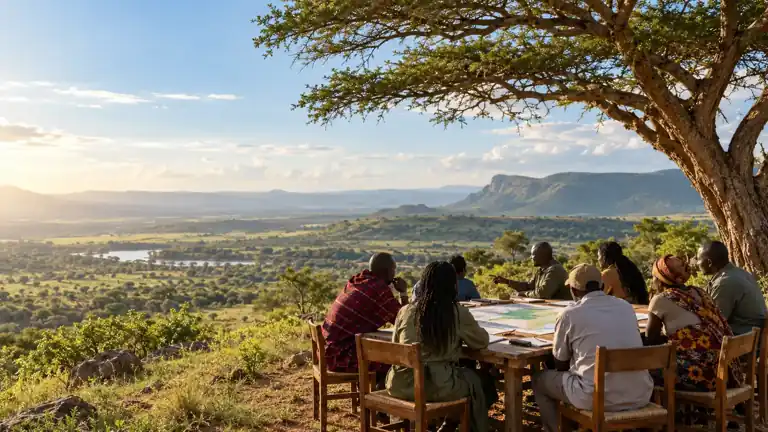
The declaration is signed by the Indigenous Lands Alliance. The signatories describe themselves as having convened in Nairobi, with representatives saying they came from Africa, Asia, North America and Latin America. Beyond this self-description, no further detail about individual member organizations or delegate numbers is confirmed in the source material used here.
An Advocacy Statement, Not a Verified Record
It is important to state plainly that the Nairobi Declaration is an advocacy document produced by its signatories. It expresses their positions, demands, and objections. It does not constitute independent verification of claims about any specific conservation project, carbon market transaction, or policy outcome. Readers seeking to verify particular claims about named initiatives, legal requirements, or measured effects should consult primary sources and independent reporting beyond the declaration itself.
Why It Matters
By calling for Indigenous-led conservation, the signatories are positioning their demands — consent, equality, transparency, respect and dignity — as conditions for any future conservation or climate initiative that touches Indigenous lands. The declaration, as presented by its signatories, frames the rejection of carbon trading, REDD+, biodiversity offsets, geoengineering and fortress conservation as the alliance’s stated position on how conservation should not be practiced, according to the document itself. The full text is available at the link above for readers who want to review the signatories’ own wording directly.