Sunita Somvanshi
Do Houseplants Actually Clean Your Air? What the Research Really Shows
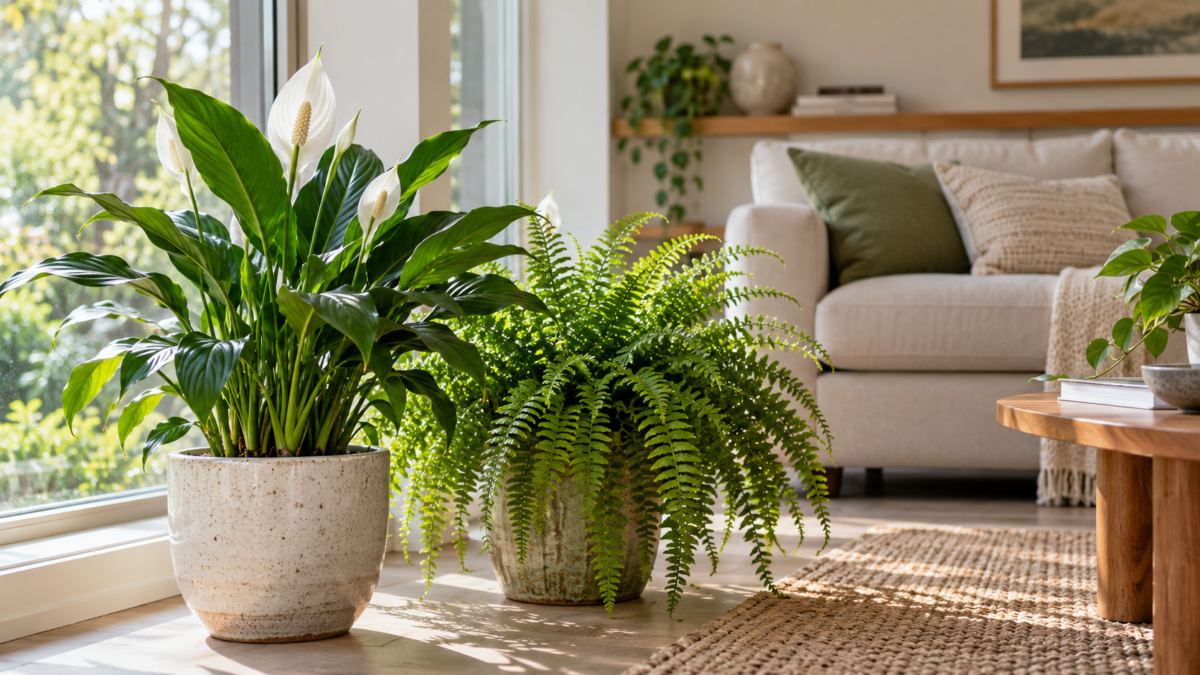
Most “air-purifying plant” claims come from small sealed-chamber experiments. A review in Atmospheric Environment found that once ordinary building air exchange is considered, the contribution from passive potted plants is very small relative to normal ventilation.
Passive plants are not active biofilters
This does not mean plants have literally zero interaction with airborne compounds. The issue is magnitude: a windowsill plant is not a dependable strategy for cleaner air in a normally ventilated room.
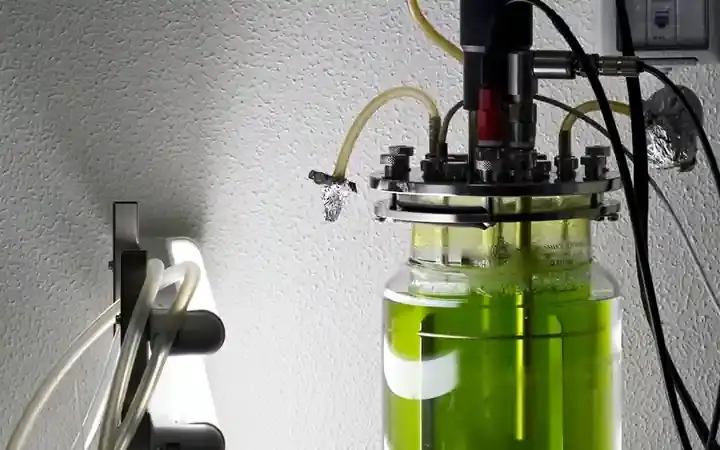
Fan-assisted botanical biofilters are different: they mechanically draw air through root-zone growing media. The 2019 studies below concern engineered, controlled systems, not a normal pot in a living room. Their results should not be converted into claims about a particular home or building.
Practical indoor-air steps
EPA guidance describes air cleaning as a supplement, not a substitute, for source control and ventilation. If indoor air is a concern, identify and reduce pollution sources, improve ventilation where appropriate, and consider properly selected mechanical filtration.
FAQ
Do houseplants clean a room?
Not at a meaningful rate in a normally ventilated room, based on the reviewed real-world scaling of chamber findings.
Are plant biofilters the same as houseplants?
No. The studied active systems use mechanically forced airflow through plant-root media.
Does EPA say houseplants do not work?
The cited EPA guidance is about air cleaners generally. It describes them as supplements to source control and ventilation; it does not make a houseplant-specific finding.