Govind Tekale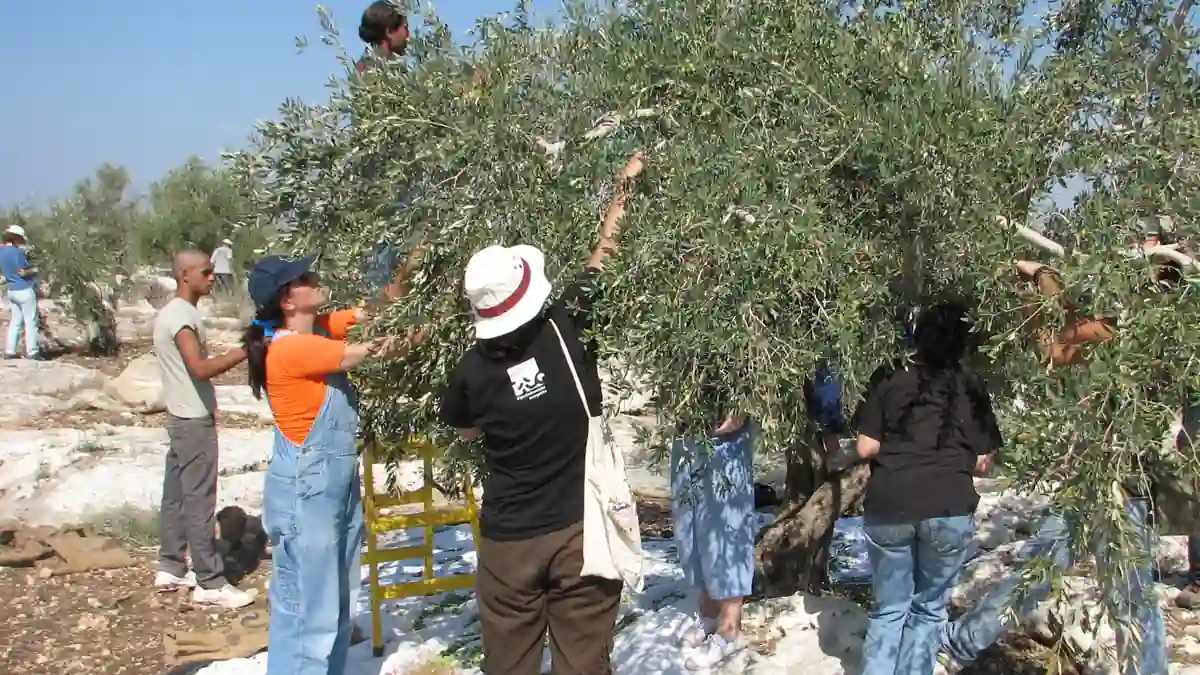
A group of masked Israeli settlers attacked a diplomatic delegation of Belgian, French, and Polish officials in the West Bank village of Taybeh on October 17-18, 2026, injuring the visiting representatives and raising the stakes in the long-running dispute over settler violence. The attack targeted the diplomats while they were participating in a solidarity action at a Christian village’s olive harvest, a diplomatic goodwill visit meant to formalize a twinning agreement. Belgian Foreign Minister Maxime Prevot condemned the attack as part of Israel’s “illegal settlement policy” and pledged to push for new European Union sanctions against the perpetrators and the settler movement that produced them.
Witnesses described a sudden, coordinated assault. According to accounts on social media and confirmed by multiple international news agencies, three vehicles arrived at the olive harvest site in Taybeh. Several armed individuals, their faces covered, exited the vehicles carrying metal bars. They attacked the visiting delegation directly, striking them repeatedly despite their official status and the presence of a French tricolor sash worn by a French mayor among the visiting dignitaries.
Bernard Baudoux, one of the attack’s most visible targets, posted a first-hand account on Facebook: “Three vehicles arrived. Several masked individuals, armed with metal bars, got out and came toward us with extreme aggressiveness.” He described being struck repeatedly, kicked, and thrown to the ground. He was not alone, the delegation included Belgian consular officials, Polish diplomats, and Catholic representatives present to witness and support the village’s October harvest.
The timing of the attack is notable. The diplomats had traveled to Taybeh specifically to strengthen ties between their communities and the Palestinian Christian village, a symbolic act of solidarity. Instead, they became direct targets of the very settler violence they were attempting to document and oppose through their presence. According to the Palestinian Health Ministry, reported via wire coverage, at least 4 people have been killed and more than 100 injured since the olive harvest began earlier in October amid a broader pattern of settler violence.
This marked the second consecutive day of such attacks. On October 16-17, a Washington Post photographer was seriously injured during a separate incident of settler violence in the same region. The pattern shows an escalation in both frequency and boldness of attacks on non-Palestinian targets, particularly those with international visibility.
Diplomatic Escalation Expected
Belgium’s response signals a potential turning point in the diplomatic cost of settler violence. Foreign Minister Prevot’s statement went beyond the usual international statements of concern: he explicitly named the illegal settlement policy as the root cause and committed to “push for further EU sanctions,” characterizing the attack as part of a broader impunity problem. “Impunity for violent settlers must end,” he said, a phrase that carries the weight of formal diplomatic policy language rather than mere condemnation.
The attack puts pressure on the European Union to move from rhetoric to sanctions. The EU has long criticized West Bank settler violence and restrictions on Palestinian olive harvests, but coordinated sanctions against settler groups or Israeli government entities have remained rare. Belgium’s explicit commitment to push for them, and the targeting of EU officials directly rather than only Palestinian civilians, raises the diplomatic cost for the Israeli government to continue treating these incidents as isolated actions by rogue extremists.
The delegation’s olive harvest visit underscores a broader EU strategy of solidarity with Palestinian Christians during harvest season, when settler violence historically peaks. By making themselves present, the diplomats intended to deter violence and document abuses. Instead, they became targets, a development that may accelerate international response mechanisms. Investigations are ongoing, and EU member states are expected to convene discussions on coordinated action in the coming days.