 Sonali Tiwary
Is the UK about to be hit by a 551-mile wall of rain and snow, and should you stock up on food? The Met Office says the headlines do not match its forecast. Government advice about keeping emergency supplies at home is a separate matter. Here is what the forecast says and where the stockpile stories came from.
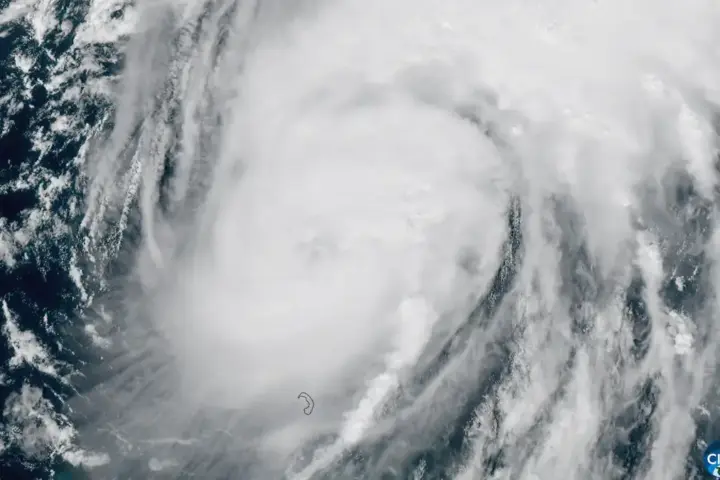
The Met Office published a headline review on 5 October 2026 that tests claims about a “super El Niño,” a polar vortex and a “551-mile wall of rain and snow” against its forecast. The forecast shows bands of rain crossing the UK, followed by showers. The wettest conditions are most likely in the northwest, while the southeast could get relatively little rain between Saturday 10 and Monday 12 October. Strong winds are possible, especially in the north, where there is a chance of gales. The Met Office said dramatic nationwide snow and prolonged freezing conditions are not the central themes of the current forecast.
Based on that forecast, expect changeable autumn weather this weekend: rain bands, showers, brisk winds and some chilly intervals, with drier periods in between. Check the latest forecast and any weather warnings on the Met Office website or app. Whether to keep emergency supplies at home is a separate question, covered by the government’s Prepare campaign.
Where the stockpile claim came from
LBC reported on 7 October that the government had “updated and expanded” its Prepare campaign toolkit to include stockpiling three days’ worth of food, and that British Gas had published a checklist of precautions. The Prepare campaign page itself advises households to consider supplies for an emergency “lasting a few days,” such as a power cut or water outage, including bottled water and non-perishable food. It says the amount needed varies with circumstances.
Has the UK government told people to stockpile three days of food? The government’s Prepare campaign advises households to consider emergency supplies for an emergency lasting a few days, including water and non-perishable food. LBC reports a three-day figure in the updated toolkit, while the campaign page refers to “a few days.” The advice is general, and it is not tied to the Met Office forecast.
Environment Secretary Angela Eagle also urged households in early September to keep food at home, linking the advice to a forecast strong El Niño, according to news reports at the time.
What El Niño changes
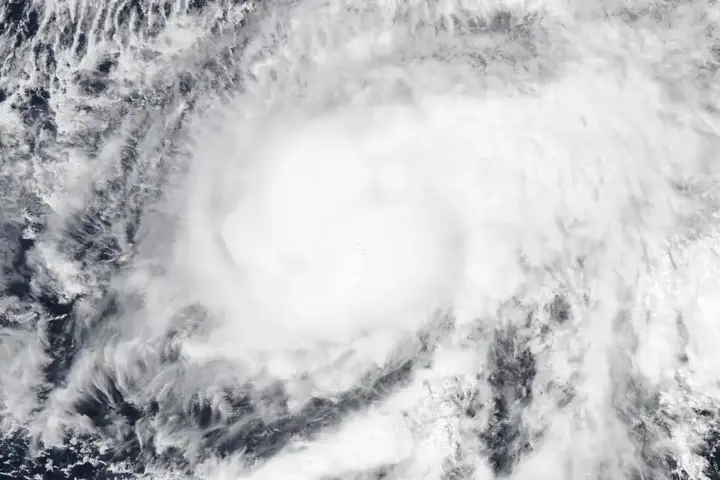
El Niño is a naturally occurring climate pattern that develops in the tropical Pacific Ocean. The Met Office says it can increase the likelihood of wetter, stormier and generally milder conditions in the UK during late autumn and early winter. Later in winter, after El Niño peaks, the stratospheric polar vortex can weaken, which may raise the chance of Sudden Stratospheric Warming events and increase the potential for cold weather. The Met Office describes these as shifts in probability rather than guarantees, and says El Niño does not determine individual weather events.
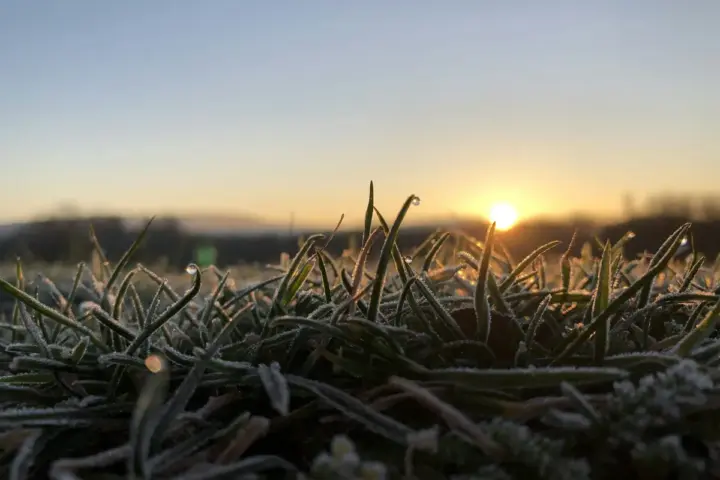
On the cold claims, the Met Office said a chilly night with rural frost was possible into Thursday 8 October, but an isolated -1°C reading on a weather map does not represent conditions across a wide area. More unsettled conditions may develop towards the end of October or early November, but confidence in specific patterns remains low.
The forecast is for rain, wind and the odd frost, not a UK-wide snowstorm. Government emergency-supply advice exists separately and applies year-round. Check back for updates.