Karmactive Team
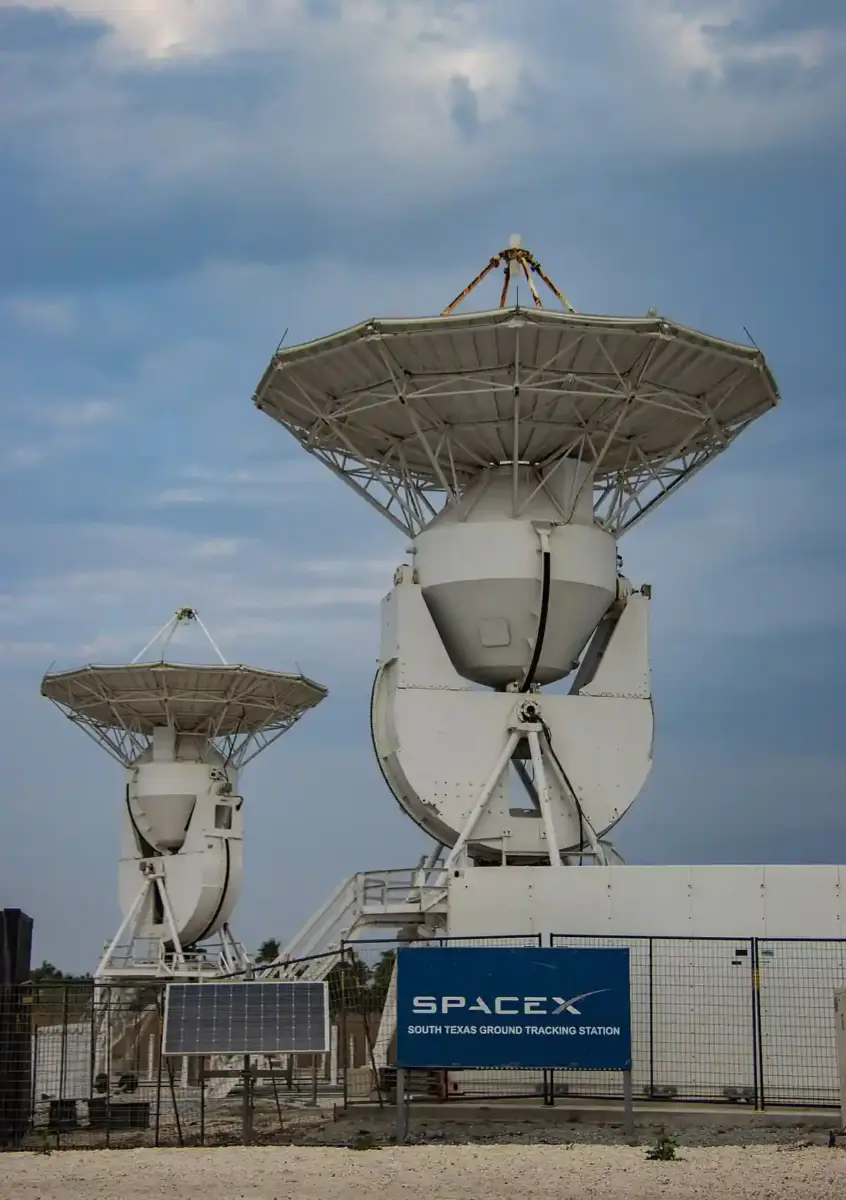
A federal judge declined to temporarily block SpaceX’s land exchange with the U.S. government near the Texas-Mexico border — but that is not the same as a court permanently approving the deal. The legal challenge from conservation and Indigenous groups continues. The land ownership is changing. The litigation is not over.
The SpaceX Texas wildlife refuge land swap involves approximately 715 acres leaving the Lower Rio Grande Valley National Wildlife Refuge and the adjacent Palmito Ranch Battlefield area, in exchange for approximately 683 acres that SpaceX owns elsewhere in Cameron County, Texas. The U.S. Fish and Wildlife Service (FWS) and SpaceX signed the agreement on September 1, 2026, with title transfer expected September 22. Federal District Judge Fernando Rodriguez Jr. denied a preliminary injunction sought by conservation and Indigenous plaintiffs, finding they had not demonstrated standing and immediate irreparable harm sufficient for temporary court intervention. The ruling did not resolve the broader legal challenge on its merits.
The immediate change is not a new launch approval. It is a land-ownership change that shifts approximately 715 acres near Starbase out of the refuge system while adding approximately 683 SpaceX-owned acres to federal conservation holdings. For nearby residents and Indigenous users, the practical questions are whether development affects access, cultural practice, wildlife viewing or habitat. The court left the wider challenge unresolved while allowing the exchange process to continue.
What the Government Is Gaining — and What Opponents Dispute
The FWS’s rationale for the exchange is not that 683 acres is simply better conservation land than 715 acres. The official justification is consolidation: the agency says it is divesting parcels it considers “likely to be impacted by SpaceX activities” and acquiring land it describes as improving conservation connectivity and management efficiency within the wider 103,000-acre refuge.
SpaceX’s planned expansion near the Massey Test Site and a proposed service road toward State Highway 4 form part of the context for that rationale, according to court materials. FWS documents identify endangered species including ocelot, northern aplomado falcon, piping plover, and Kemp’s ridley sea turtle as relevant to the broader refuge — though the agency also found that ocelots are unlikely to occur on the specific divestiture parcels.
The court record includes a declaration from Juan Benito Mancias, hereditary leader of the Carrizo/Comecrudo Nation, who described the affected land as “sacred to [him] and the Carrizo/Comecrudo People, and vital to [their] ancestral traditions.” The court acknowledged that declaration in reviewing whether plaintiffs had shown irreparable harm but found the threshold for temporary relief had not been met.
Critics from conservation and public lands communities have been direct about what they see as a lopsided outcome. Justin Leahy (@outsidewithjustin), a graduate student in ecology and environmental policy at Yale University who has documented the refuge, noted that the court’s balance of harms weighed corporate inconvenience over ecological cost: “Their reason was that this injunction would cause additional hardship to SpaceX. Not additional hardship to the refuge or its protected animals, but to the trillion-dollar company.” Land Tawney (@landtawney), former President and CEO of Backcountry Hunters & Anglers (BHA) and a fifth-generation Montanan, called the arithmetic unfavorable for public interests: “I’m no rocket scientist, but I know that this is a bum deal. Less public land and not as good quality.” Tawney also flagged a separate concern not fully addressed in public court proceedings: that Land and Water Conservation Fund dollars — a public conservation funding mechanism — may be used in the transaction, a detail the Interior Department has not publicly confirmed or denied.
For anyone tracking public land policy in the United States and SpaceX Starbase expansion, the exchange raises a question that no court has yet resolved: whether the acreage difference, the habitat characteristics, and the proximity to launch infrastructure represent a net gain or loss for the federal refuge system.
The official documents present the acreage imbalance as a consolidation strategy rather than a straight divestiture. FWS says the 715 acres going to SpaceX are likely to experience SpaceX activity, while the 683 acres coming into federal ownership improve habitat connectivity. Whether location and ecological function justify that exchange is precisely what the ongoing litigation has not settled.
No. The judge refused to issue a preliminary injunction, so the exchange was allowed to proceed while the wider legal challenge continues. The order did not find that all environmental or cultural concerns were baseless. It found that plaintiffs had not shown the immediate harm and legal standing required for temporary court intervention. The broader case remains active.
Title transfer of the 715 refuge acres was expected September 22, 2026. The legal challenge filed by conservation and Indigenous groups continues in federal court. Further development near the Massey Test Site and any new court filings could affect access and habitat conditions. Check back for updates on the litigation and any SpaceX expansion approvals.